6 Hidden Germ Hotspots in Your Facility & How Often They Really Need Cleaning
Beyond looks: how health‑driven cleaning of high‑touch surfaces reduces absenteeism, complaints, and tenant churn
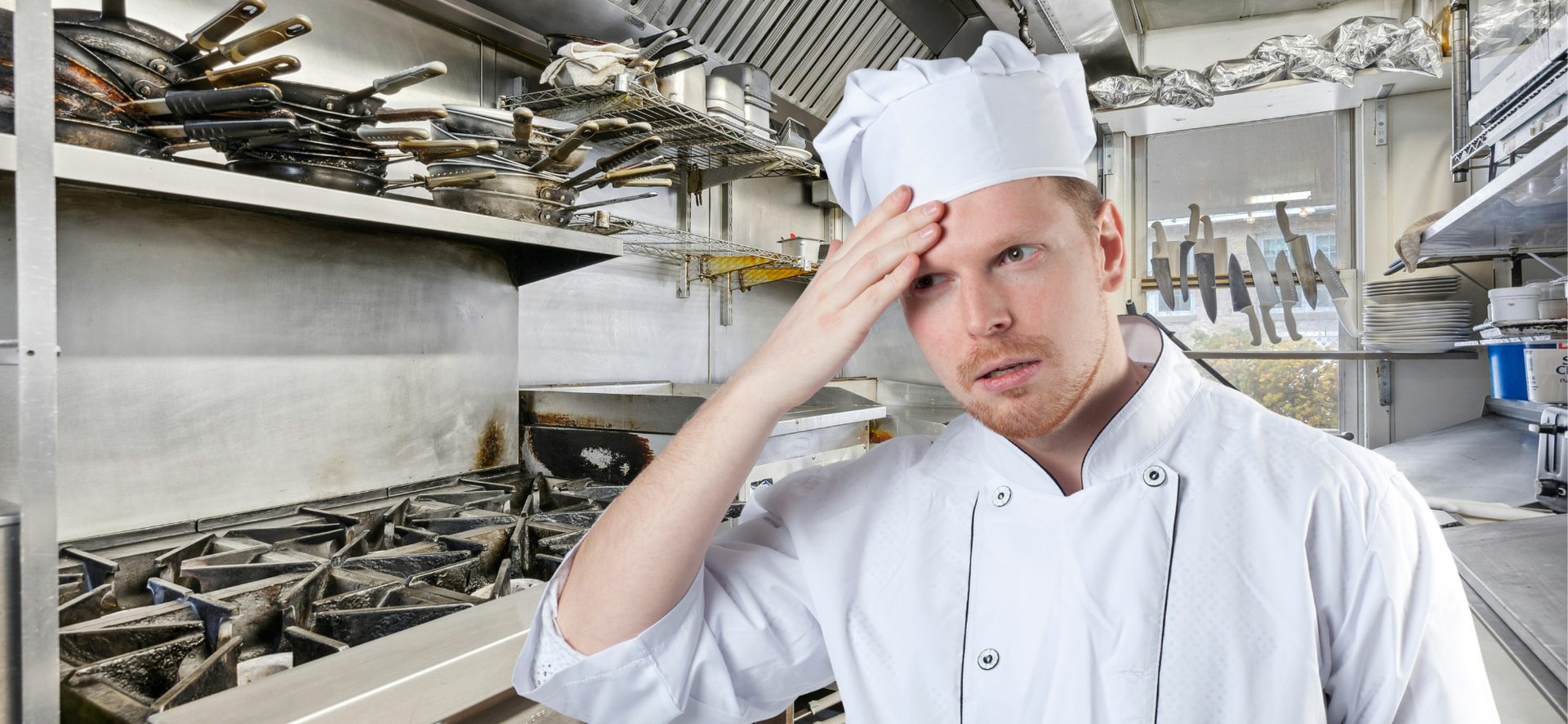
Most facilities still judge cleaning by how a building looks, not how healthy it is. Shiny floors and empty trash cans are important, but they don’t tell you whether the most frequently touched surfaces in your space are spreading germs every day.
When high‑touch areas are missed or cleaned too infrequently, it fuels employee absenteeism, parent concerns, patient complaints, and even tenant turnover.
A “cleaning for health” approach focuses first on the surfaces people touch most, then aligns cleaning and disinfection frequency with how each space is actually used. That’s a very different mindset than just “wiping everything down at night” and hoping for the best. For facilities across Rhode Island, Massachusetts, and Connecticut, this shift is one of the fastest ways to improve experience without a major budget increase.
Uncover the six hidden germ hotspots that might be lurking in your facility and what to do about them.
The Business Impact: Absenteeism, Complaints, and Tenant Satisfaction
Germ hotspots don’t just affect health; they impact the bottom line. When illness spreads easily across keyboards, break rooms, and door handles, you see more sick days, schedule disruptions, and lost productivity.
In schools, parents worry about cleanliness. In healthcare, patients may question your standards. In multi‑tenant buildings, restrooms and shared spaces are often the top drivers of complaints and tenant churn.
In one survey, 71% of tenants said office restrooms strongly influence their perception of the facility or building manager, and 60% of tenants said an unhygienic restroom lowers their opinion of the facility and signals that management doesn’t care. (CleanLink)
A strategic, health‑driven cleaning program:
- Reduces employee absenteeism and last‑minute rescheduling
- Cuts down on odor and cleanliness complaints
- Supports better online reviews and tenant retention
- Shows employees, patients, parents, and visitors that you take their well‑being seriously
This is how cleaning for health goes beyond “looks nice” and becomes a true operational asset.
6 Hidden Germ Hotspots in Your Facility
1. Keyboards, Mice, and Shared Workstations
Workstations are quiet germ collectors. Staff eat at their desks, touch keyboards and mice all day, then share hot‑desks, nurse stations, computer labs, and reception areas. Crumbs, skin oils, and dust give microorganisms a comfortable place to linger. For schools and healthcare environments, shared computers can become an invisible “handshake” between dozens of users.
How often to clean:
- Offices and shared workstations: Wipe with an appropriate disinfectant wipe at least once daily in shared spaces; encourage individual users to disinfect their own devices 2–3 times per week.
- Schools and computer labs: Disinfect shared keyboards and mice daily on school days, with a deeper clean weekly.
- Healthcare and clinical workstations: Follow your infection‑control protocol, typically cleaning and disinfection between shifts or more often for high‑risk areas.
Partner with a provider that understands electronics‑safe products and procedures so cleaning doesn’t damage equipment while still reducing germs.
2. Door Handles, Push Plates, and Handrails
Every person entering or exiting a room, restroom, classroom, or stairwell touches the same small piece of hardware. In busy offices, schools, gyms, and clinics, that can mean hundreds of touches in a single day. Because these surfaces are small, they’re easy to clean thoroughly but also easy to overlook when staff are rushing.
How often to clean:
- Busy entrances and restrooms: Disinfect multiple times per day during peak use.
- Interior office doors and conference rooms: At least once daily, with added cleaning around large meetings or events.
- Stair rails and handrails in schools and healthcare: Multiple times per day during operating hours, aligned with foot traffic patterns.
Prioritizing these simple touchpoints is one of the most cost‑effective ways to support cleaning for health without adding hours of labor.
3. Elevator Buttons and Access Panels
Elevator buttons are classic office germ hotspots. People touch them on autopilot, often right after coughing, sneezing, or holding phones, coffee cups, and gym bags. In multi‑tenant buildings and hospitals, elevators mix populations, which increases the chance of spreading illness between groups who never meet face‑to‑face.
How often to clean:
- High‑rise or multi‑tenant buildings: Disinfect elevator button panels multiple times per day, especially during morning arrival, lunch, and evening departure.
- Smaller buildings with light traffic: At least once daily, with increased frequency during cold and flu season.
If your facility receives regular visitor traffic like patients, students, clients, or members, your elevator cleaning schedule should match that reality, not just a generic nightly checklist.
4. Break Rooms, Kitchens, and Coffee Stations
Break rooms and staff kitchens combine food, moisture, shared surfaces, and high traffic: exactly the conditions germs love. Appliance handles, refrigerator doors, coffee machines, microwave buttons, countertops, and sink fixtures often show visible soil only after they’re already heavily contaminated. Odors and sticky surfaces can quickly turn into HR complaints and “email threads nobody wants to manage.”
How often to clean:
- Countertops and tables: Clean and disinfect daily, and more frequently in heavily used areas.
- Appliance handles, fridge doors, and coffee makers: Wipe down at least once daily; more often if staff use these continuously.
- Sinks and faucets: Clean and disinfect daily, with descaling and more detailed cleaning weekly.
Adding clear expectations for staff tidiness plus professional high‑touch surface cleaning keeps break rooms from becoming that “mystery smell” everyone complains about.
5. Locker Rooms, Restrooms, and Fitness Equipment
In gyms, schools, and healthcare facilities, locker rooms and restrooms are where cleanliness is most visible, and where complaints are loudest. Moisture, warm temperatures, and bare skin contact create a high‑risk environment for bacteria and fungi on benches, lockers, faucet handles, and fitness equipment. Even in office settings, poorly cleaned restrooms can make people question your entire cleaning program.
How often to clean:
- Restrooms in busy offices or public facilities: Clean and disinfect multiple times per day; restock supplies and spot‑clean in between.
- Locker rooms and showers: Clean and disinfect at least daily, with extra attention to floors, benches, drains, and touchpoints.
- Fitness equipment (gyms and wellness rooms): Disinfect high‑touch surfaces daily, and encourage users to wipe equipment before and after use.
Working with
disinfection and
commercial cleaning service providers who specialize in these spaces can significantly reduce odor complaints and hygiene issues.
6. Reception Areas, Waiting Rooms, and Shared Pens
Reception counters, sign‑in kiosks, shared pens, armrests, and waiting‑room tables are the first impression for visitors, and often the last surfaces they touch before heading into the rest of the building. Children, patients, and guests may handle toys, magazines, clipboards, and phones in quick succession, which quietly moves germs from person to person.
How often to clean:
- Reception counters and sign‑in surfaces: Clean and disinfect daily, with spot disinfection during busy windows.
- Shared pens, clipboards, and touch screens: Wipe multiple times per day; consider providing “clean pen / used pen” containers or encouraging personal pens.
- Waiting‑room armrests and tables: Disinfect at least once daily; in healthcare settings, follow your infection‑control schedule.
A health‑focused approach here reassures visitors, reduces negative online reviews, and helps protect vulnerable populations.
How Often Should You Really Clean and Disinfect?
Match Frequency to Risk and Use
Not every surface needs the same attention. A high‑touch door handle used by hundreds of people in a day carries a higher risk than a storage room shelf.
The right schedule considers:
- How many people touch it daily (traffic level)
- Who uses the space (office workers vs. students vs. patients)
- What activities occur there (eating, exercising, clinical care)
In practice, this means building tiered frequencies into your high‑touch surface cleaning plan: multiple times per day for the riskiest areas; daily for moderate‑use surfaces; and weekly or monthly for low‑touch areas.
Cleaning vs. Disinfecting
Cleaning removes visible dirt, dust, and some germs; disinfecting uses EPA‑registered products with proper dwell time to kill or inactivate microorganisms. For many offices and schools, daily cleaning plus targeted disinfection of high‑touch surfaces is enough. Healthcare and some gym environments may need disinfection more often, based on risk.
Working with a partner that understands these nuances and local regulations helps you protect people without overusing chemicals or wasting budget.
How System4 IPS Helps Facilities in RI, MA, and CT
System4 IPS designs cleaning programs around health and risk, not just appearance and square footage.
For facilities across Rhode Island, Massachusetts, and Connecticut, that means:
- Identifying your unique office germ hotspots and other high‑touch surfaces
- Setting cleaning and disinfection frequencies based on usage, population, and industry
- Coordinating daily janitorial, disinfection services, and periodic deep cleans under one regional team
- Providing trained crews familiar with offices, schools, gyms, medical facilities, and more
Whether you manage a single
office or a portfolio of properties, partnering with a Rhode Island
commercial cleaning expert that also services Massachusetts and Connecticut gives you consistency, responsiveness, and local accountability.
Next Steps: Audit Your Germ Hotspots
You don’t need to overhaul your entire program to start cleaning for health. A focused hotspot audit is often the best first step:
- Walk your facility and list the high‑touch areas from this article.
- Compare your current cleaning schedule to how often those spots are really used.
- Note where complaints, odors, or illness clusters seem to originate.
- Prioritize a few high‑impact changes, like adding midday disinfection to door handles and break rooms.
Then, work with a Southern New England
commercial cleaning services provider to transform your checklist into a health‑focused plan.
Partner with the Commercial Cleaning Pros
Managing a facility is a full-time job, and cleaning should make your life easier, not harder. A trusted partner like System4 of Southern New England can customize a plan that keeps your workplace ahead of germ season.
From daily janitorial services to seasonal deep cleans, we help facility managers, property owners, and business leaders across Rhode Island, Connecticut, and Massachusetts protect their people and their properties.
Schedule your free consultation or call us at 800-674-9412 to discuss your cleaning plan.
Media Contact
Company Name: System4 IPS
Email: Send Email
Phone: 1-877-387-8667
Website: system4ips.com
Rhode Island Office
Address: 60 Romano Vineyard Way, Unit #101
City: North Kingstown
State: Rhode Island
Country: United States
Phone: (401) 615-7043
Connecticut Office
Address: 425 Kings Highway East
City: Fairfield
State: Connecticut
Country: United States
Phone: (203) 401-8581
GET A QUOTE: SCHEDULE A CALL NOW
As you might imagine, these days we’re very busy cleaning, disinfecting and protecting schools, churches, and businesses in Rhode Island, Massachusetts, and Connecticut. Schedule your appointment now with System4 IPS to ensure the fastest service possible and receive your custom proposal.