


The True Cost of Cleaning Complaints: Root Causes & Corrective Action Playbook
Handling tenant complaints about dirty restrooms or unemptied trash drains hours from a property manager's week and threatens lease renewals. Effective cleaning complaint resolution facility management requires operations directors to diagnose operational breakdowns rather than simply reprimanding a vendor. A structured corrective action playbook shifts building maintenance from reactive apologies to permanent fixes. Implementing a standardized feedback and response protocol protects both your physical building assets and your valuable administrative time.
What Drives the True Cost of Cleaning Complaints?
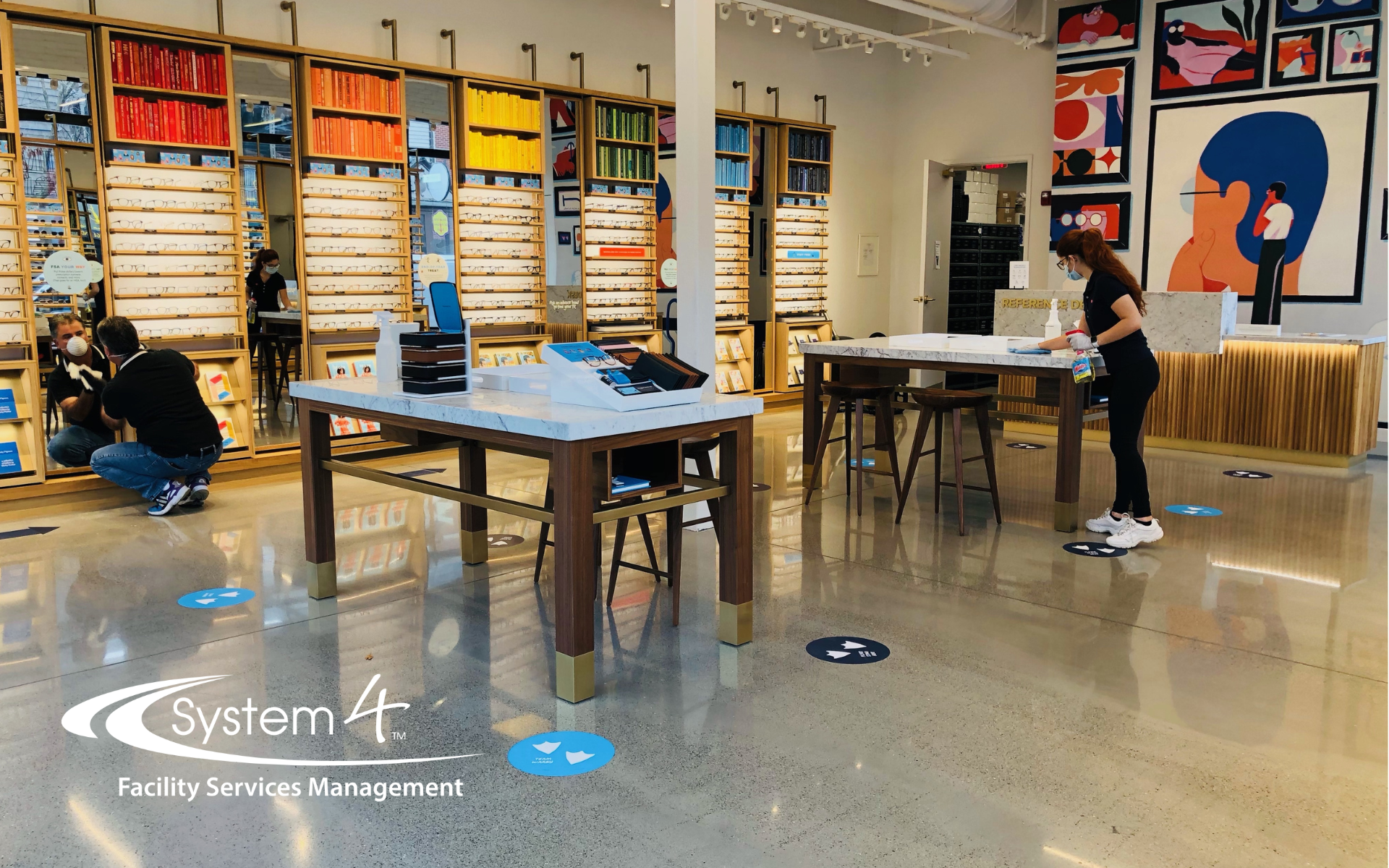
The true cost of cleaning complaints includes lost administrative productivity, accelerated wear on physical building assets, and reduced tenant lease retention. When minor daily oversights compound without a structural fix, property managers lose hours managing a failing service provider and eventually face expensive restorative maintenance requirements.
Most property managers calculate vendor cost strictly by the monthly invoice. The hidden expense lies in the administrative burden of micromanaging a failing service provider. An operations director spending three hours a week logging identical work orders and chasing a vendor account manager for updates loses over one hundred and fifty hours of productivity annually. That is time stolen from capital planning, tenant relations, and lease negotiations. A property management office should direct vendor activities, not perform daily quality assurance on their behalf.
The secondary cost is physical asset degradation. A complaint about gritty floors in a converted mill building often indicates that the vendor is skipping the vacuuming step before wet mopping. Over six months, dragging abrasive soil across resilient flooring destroys the protective finish. This forces an unplanned strip and wax project just to restore the baseline appearance. Chronic restroom complaints carry even higher financial stakes. Failing to manage moisture and bacteriological buildup leads to permanent grout discoloration and odor issues that basic daily cleaning cannot reverse. Replacing commercial restroom tile due to poor maintenance destroys quarterly maintenance budgets.
By the time a tenant formally complains, they have likely noticed the decline in quality for several weeks. Frustration builds quietly until a specific incident triggers an email to the property management office. High complaint volumes signal to building occupants that ownership does not value their environment. Over time, this perception makes lease renewals much more difficult to secure. Tenants who feel ignored regarding daily hygiene are rarely receptive to annual rent increases.
Diagnosing Vendor Failures: The Root-Cause Flowchart
Identifying the root cause of a cleaning failure requires evaluating four operational pillars: building access, crew training, labor staffing levels, and chemical supplies. Diagnosing which pillar failed allows property managers to apply the correct operational fix rather than simply demanding a new crew.
When a tenant submits a ticket for a dirty restroom, the immediate reaction is to blame the individual cleaner. Crew indifference is rarely the actual problem. Janitorial companies operating without a dedicated management layer frequently set their frontline workers up for failure. To stop recurring issues, evaluate the failure against these four operational dependencies before terminating a contract.
Step 1: Access and Time Constraints
The first step in root-cause analysis is verifying that the crew can actually reach the space. Security protocols change, key fobs expire, and tenants occasionally work late and lock their interior doors. If a suite consistently triggers complaints about unemptied trash, the cleaner might be physically locked out during their scheduled evening shift. Verifying access logs with your security desk prevents you from reprimanding a vendor for a problem they cannot control.
Step 2: Training and Scope Awareness
If the crew has access, evaluate their training. Does the cleaner know the specific requirements of the room? A crew transferring from a warehouse account to a Class A office building might not understand the required detail level for executive glass partitions. Training failures also show up in cross-contamination. If a tenant complains of strange odors on their desk, the cleaner might be using the same microfiber cloth on the restroom counters and the office workstations. A professional managed vendor runs site-specific orientations before a cleaner ever touches a mop.
Step 3: Staffing and Production Rates
If access and training are adequate, the failure usually stems from unrealistic production rates. Commercial cleaners can reliably maintain between 2,500 and 4,000 square feet of standard office space per hour. When a vendor aggressively underbids a contract, they often force one person to clean 45,000 square feet in an eight-hour shift. Under that burden, detailed tasks like wiping baseboards or descaling faucet aerators become mathematically impossible. The crew is not lazy. The contractor built a failure-prone staffing model to win the bid.
Step 4: Equipment and Chemical Supplies
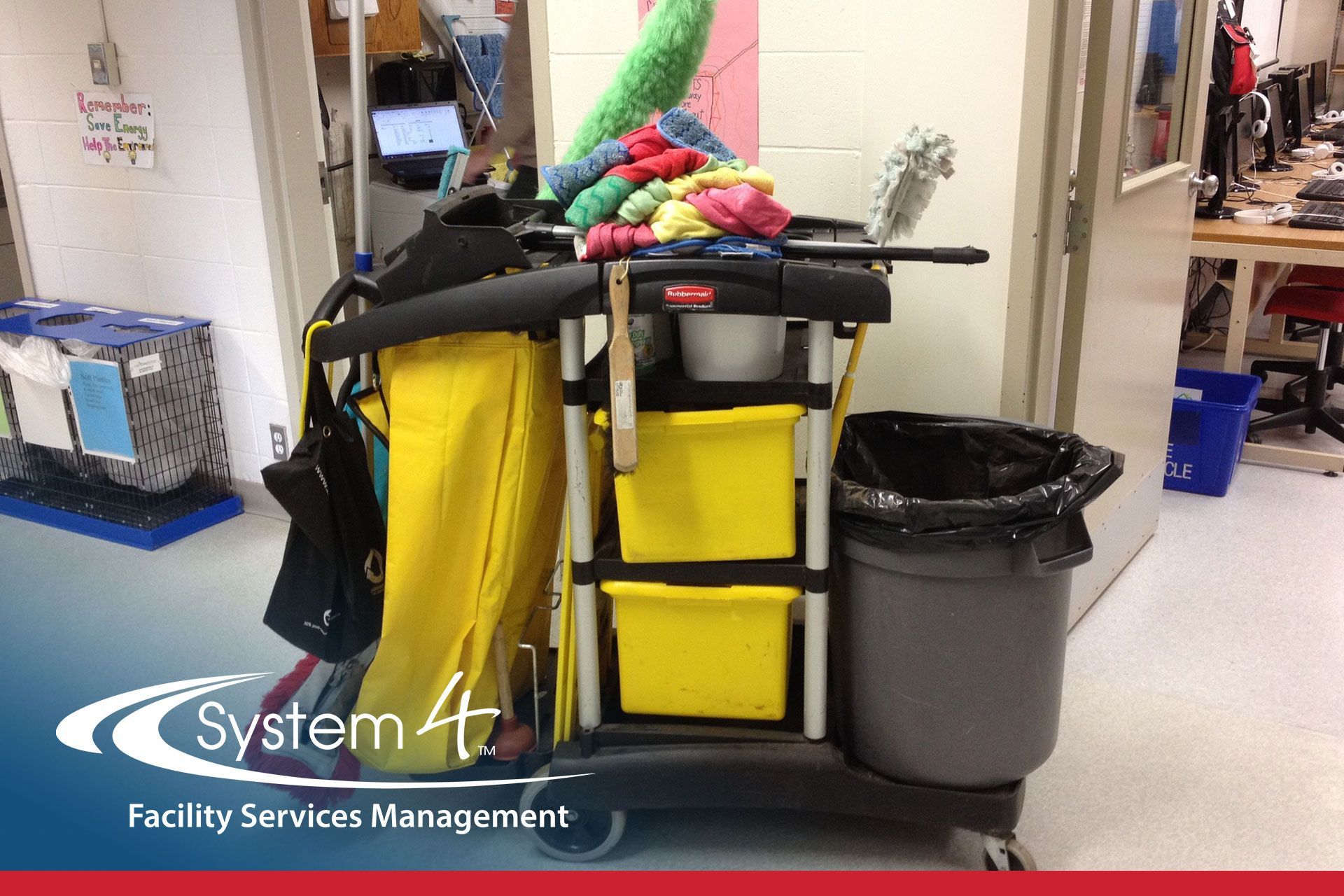
The final pillar evaluates the physical tools. Low inspection scores on restroom ceramic tile often stem from worn equipment or improper chemistry. Using saturated string mops simply spreads emulsified grease and soil across grout lines. If a crew lacks fresh microfiber heads, neutral pH floor cleaners, or functional HEPA vacuums, they will leave a building looking dingy regardless of how hard they work. Quality commercial cleaning services require professional-grade equipment that physically removes soil from the building rather than just pushing it into the corners.
How to Implement a Closed-Loop Resolution Model
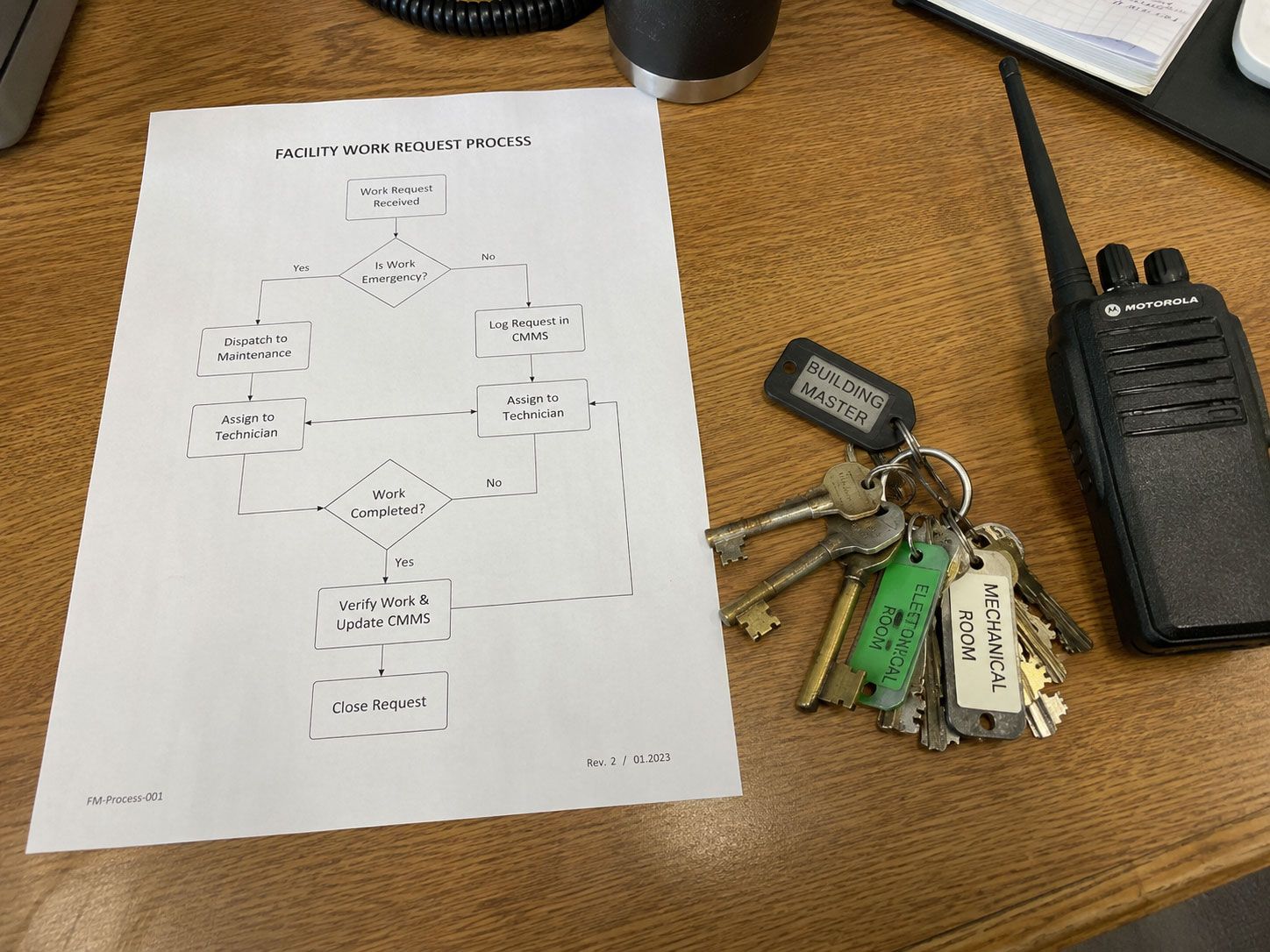
A closed-loop resolution model guarantees that every logged cleaning complaint receives immediate remediation, a root-cause diagnosis, and documented follow-up with the tenant. This framework prevents minor issues from languishing in a ticketing system and proves to occupants that management takes their environment seriously.
The standard response to a tenant complaint is an apology and a promise to talk to the cleaners. This open-loop approach leaves the tenant wondering if the issue was actually fixed. It also creates zero operational accountability for the vendor. A closed-loop system requires the vendor's management layer to own the problem from discovery to final verification.
Intake and Triage
The property manager logs the specific location, the nature of the deficiency, and the time it was reported. The vendor account manager must acknowledge receipt of this ticket within a documented response window. Emergency issues require immediate action, while routine oversights fall into the standard nightly queue.
Immediate Remediation
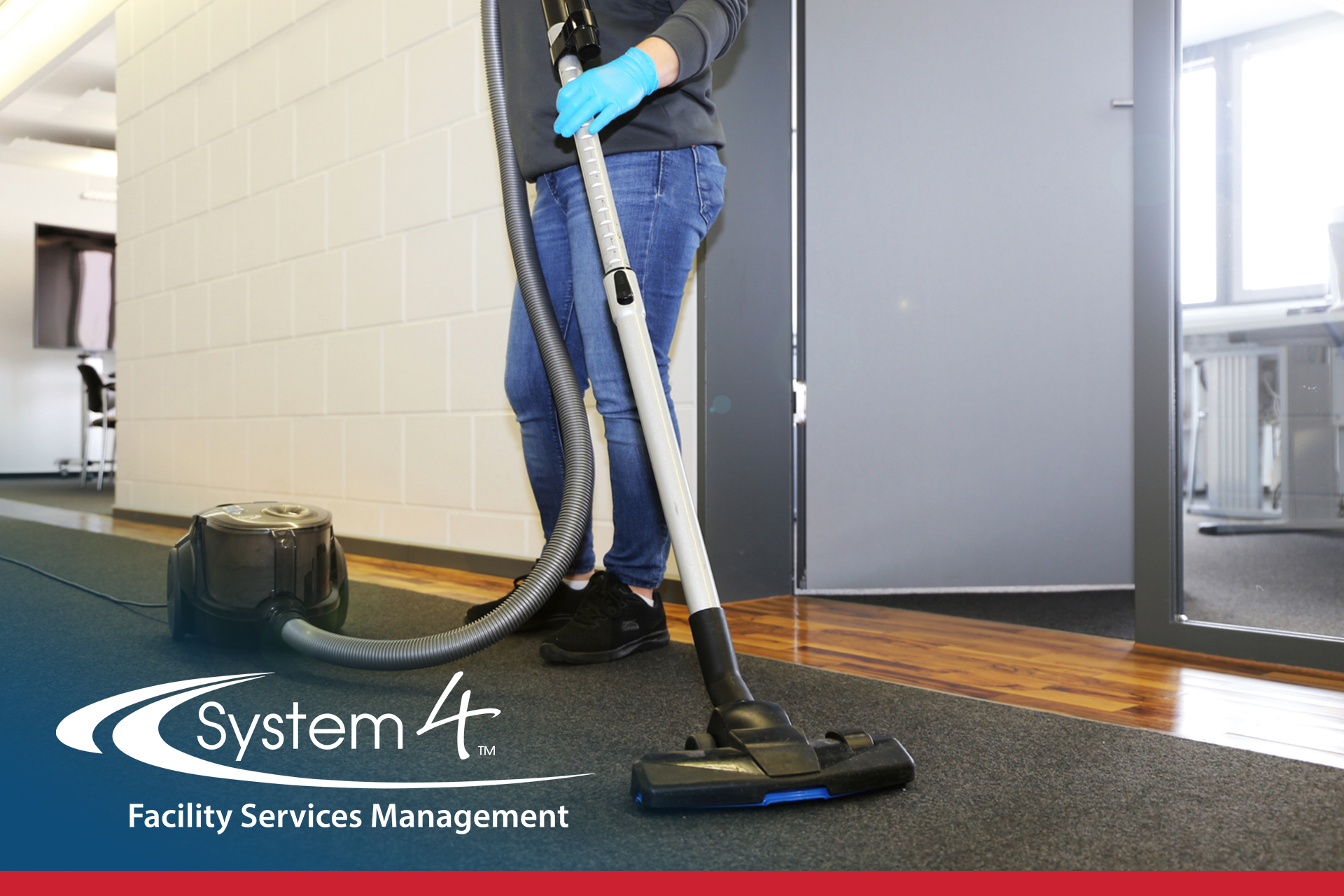
The vendor dispatches a day porter or evening supervisor to fix the physical problem before the next business day begins. If an executive suite complains of unvacuumed carpets, the priority is removing the soil immediately so the tenant arrives to a clean space the following morning. Speed is the primary metric for this step.
Root-Cause Identification
While the physical issue is resolved, the vendor account manager must determine why the failure occurred. Using the four pillars outlined above, they evaluate whether the cleaner lacked access, required retraining, ran out of time, or used the wrong chemicals. Identifying the mechanism of failure is the only way to prevent it from happening again.
Process Correction
Based on the root-cause analysis, the vendor adjusts the operational plan. This might involve restructuring the route to give the cleaner more time, restocking the supply closet with proper floor neutralizers, or running a retraining session on restroom sanitation. Process correction ensures the failure does not repeat next week.
Final Verification
The vendor submits photographic proof of the corrected area to the property manager. The property manager then closes the loop by forwarding that update to the tenant. Showing a tenant that you identified their problem, fixed it, and verified the result builds immense trust and permanently resolves the complaint. Implementing this structure separates standard cleaning crews from professional partners offering commercial cleaning services for property managers.
Regional Variables that Trigger Seasonal Complaints
Seasonal weather patterns drive predictable spikes in facility complaints, requiring vendors to adjust their scopes proactively. Failing to manage winter ice melt, coastal humidity, and spring pollen guarantees a surge in tenant dissatisfaction regardless of daily cleaning consistency.
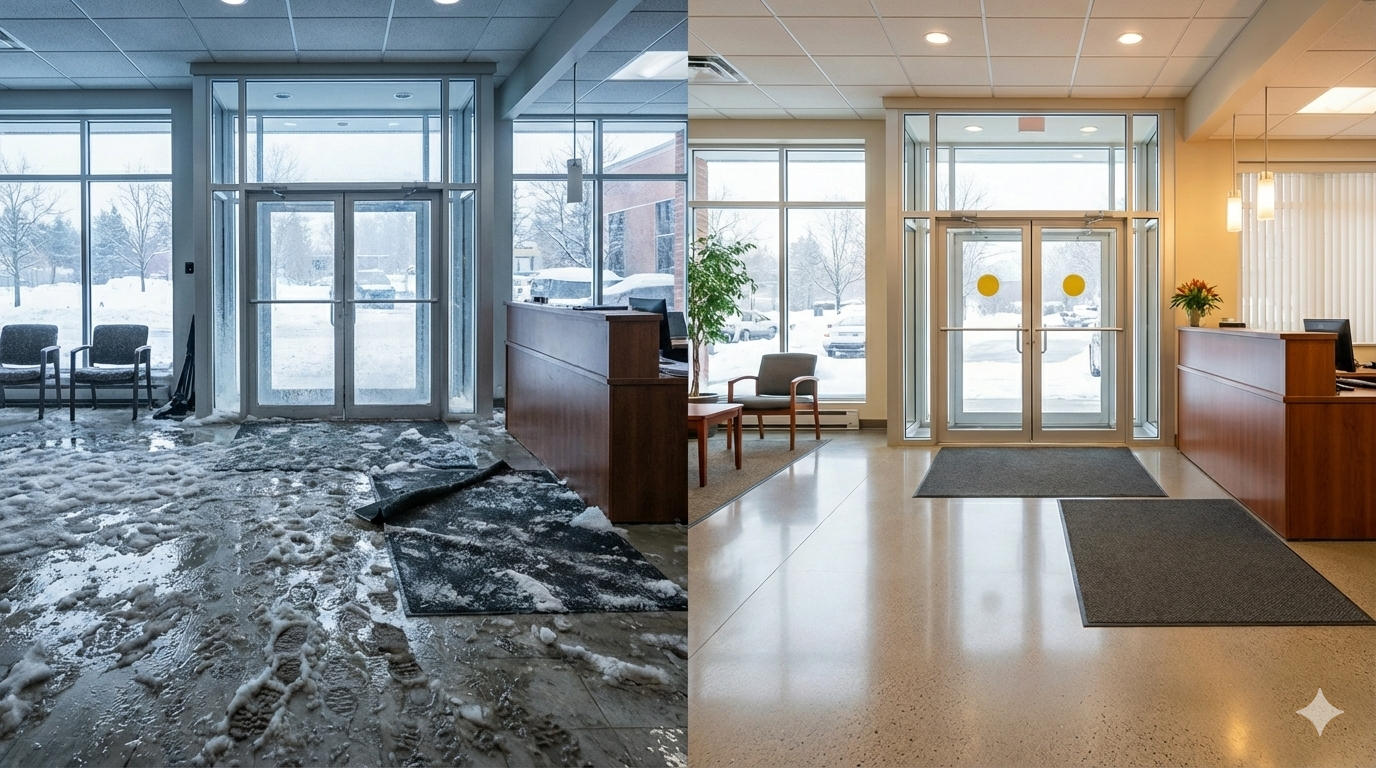
Commercial facilities operate against a challenging environmental calendar. A vendor running the exact same task list in February as they do in July will inevitably generate complaints. During winter months, property managers face a daily battle against abrasive sand and calcium chloride ice melt tracked into lobbies. This requires vendors to proactively shift labor hours toward intense entryway management. The crew must deploy heavy-duty walk-off matting and utilize frequent wet mopping with chemical neutralizers to prevent white salt haze from permanently damaging the finish.
In coastal markets like Newport, summer humidity creates entirely different challenges. High moisture levels require diligent HVAC register dusting and strict restroom moisture control to prevent musty odors and mold growth. In older manufacturing hubs, converting aging mill buildings into modern office space introduces constant dust settling from exposed brick and timber ceilings.
Anticipating these regional shifts stops complaints before tenants ever notice a decline in building quality. If your current provider treats an office tower the exact same way year-round, your complaint volume will remain permanently high. Any reliable Connecticut commercial cleaning company needs to build scopes specifically around the local climate, adjusting their labor allocations to match the weather outside the front doors.
Frequently Asked Questions
How quickly should a commercial cleaning vendor respond to a complaint?
A commercial cleaning vendor should acknowledge a routine complaint within two hours and remediate the issue before the next business day begins. Emergency biohazard spills or overflowing plumbing fixtures require an immediate on-site response within two hours of notification.
Your service level agreement must clearly define these specific response windows to prevent minor issues from lingering unresolved. A vendor that allows a complaint to sit in an inbox for twenty-four hours lacks the operational structure required to manage a commercial facility. Immediate communication is just as important as the physical cleanup.
What is the most common cause of commercial cleaning failures?
The most common cause of commercial cleaning failures is unrealistic production rates dictated by underbidding. When a vendor assigns one cleaner to service forty thousand square feet in an eight-hour shift, detailed work becomes mathematically impossible.
Poor performance usually stems from an inadequate labor allocation built by management rather than lazy frontline personnel. A cleaner forced to run through a building simply to empty all the trash bins will never have time to wipe baseboards, descale sinks, or vacuum conference room corners.
How do property managers track recurring janitorial issues?
Property managers track recurring janitorial issues by categorizing work orders by building zone, specific deficiency, and time of day. Using a structured quality control scorecard helps identify hidden patterns that aggregate data conceals.
If a particular restroom fails three consecutive inspections over a month, the data proves a systemic supervisory breakdown rather than a one-time oversight. Tracking these metrics shifts the conversation with your vendor from emotional frustration to objective, undeniable data.
Can cleaning complaints justify terminating a janitorial contract?
Documented cleaning complaints can justify terminating a janitorial contract if the vendor fails to correct the issues during a formal cure period. Property managers must provide written notice detailing the specific numerical deficiencies and allow the vendor thirty days to improve.
Persistent failure after this period provides legal grounds for termination without penalty. Keeping a rigorous log of complaints, photos, and missed response times ensures you have a defensible paper trail when you transition to a new service provider.
Why do cleaning companies start strong and then deteriorate?
Cleaning companies often deteriorate after the first sixty days because they remove supervisory oversight once the account stabilizes. This service drift happens when a vendor lacks a dedicated account manager to run independent quality audits.
Without a management layer inspecting the work regularly, crews naturally begin to cut corners to save time. The only way to prevent service drift is to hire a provider that builds quality assurance inspections into their standard operating procedure month after month.
Shifting from Reaction to Resolution
Effective cleaning complaint resolution facility management requires operational structure, objective data, and a vendor willing to take actual accountability. Shifting from reactive apologies to a closed-loop resolution model protects your physical assets, preserves your tenant relationships, and reclaims your administrative time.
By diagnosing the root causes of service failures rather than just treating the symptoms, you stop identical complaints from repeating. Establish clear communication expectations, build your root-cause flowchart, and require your vendor to prove they have fixed the underlying problems driving your tenant tickets.
If you want a second set of eyes on your current scope, System4 IPS schedules on-site facility walkthroughs across RI, CT, and Western MA, or you can reach the team at (401) 615-7043.