

How Often Should a Commercial Building Be Cleaned? Frequency by Space & Industry
Determining the proper cleaning schedule for a commercial building requires balancing occupant health, interior appearance, and operating budgets. Facility leaders must evaluate daily foot traffic, square footage, and industry requirements to build an effective janitorial scope. This commercial cleaning frequency guide provides clear benchmarks across key building zones and industry sectors, helping property managers establish routines that protect assets and maintain healthy work environments.
How Often Should a Commercial Building Be Cleaned?
A commercial building should be cleaned on a hybrid schedule that pairs daily janitorial care in high-traffic zones with weekly detail work and periodic floor maintenance. Restrooms, lobbies, and breakrooms require daily cleaning and sanitization, while private offices often run on a two-to-three-day weekly rotation. Specialty tasks, such as hard floor refinishing and carpet extraction, follow monthly, quarterly, or annual cadences based on building usage.
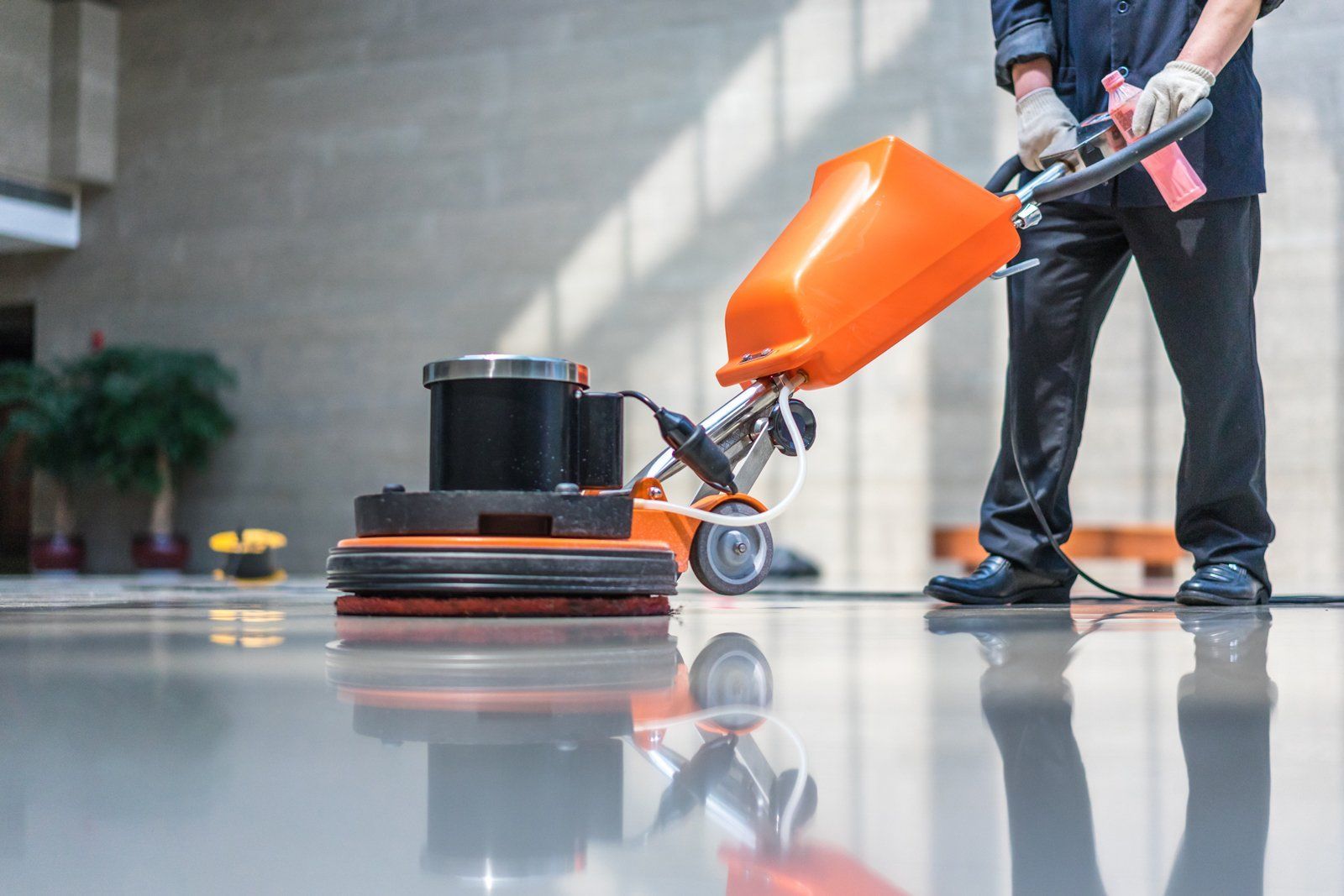
Property managers start by categorizing building square footage into functional zones based on foot traffic and hygiene risk. Restrooms, lobbies, and common corridors experience continuous human activity and require daily cleaning without exception. Workstations and secondary conference rooms experience lower soil loads and can be serviced on alternating days. High-traffic hard floors degrade under dirt and moisture, necessitating quarterly scrubbing or annual stripping and waxing.
Commercial Cleaning Frequency Matrix by Space Type and Foot Traffic
Commercial spaces require distinct cleaning cadences based on occupant density, surface materials, and soil accumulation rates. Restrooms and main lobbies require daily janitorial service, whereas private offices, mechanical rooms, and perimeter corridors operate effectively on reduced schedules. Aligning specific tasks with actual space utilization prevents budget waste while maintaining hygienic standards across all building zones.
To build an efficient schedule, facility leaders evaluate the operational demands of each interior area. The matrix below outlines standard task distribution across primary building zones:
| Space Category | Foot Traffic | Daily Tasks | Weekly Tasks | Periodic / Deep Maintenance |
|---|---|---|---|---|
| Lobbies & Entryways | High | Vacuum, mat care, trash | Glass cleaning, detail dusting | Hard floor refinishing, deep carpet care |
| Commercial Restrooms | High / Critical | Disinfect fixtures, restock, mop | Wall scrubbing, drain flushing | Tile and grout deep scrubbing |
| Breakrooms & Kitchens | Medium / High | Wipe counters, sinks, trash | Appliance exterior wiping | Deep cabinet and surface sanitization |
| Open Workstations | Medium | Trash removal, spot vacuuming | Desk wiping, perimeter dusting | Hot-water carpet extraction |
| Executive Suites | Low / Medium | Trash removal, spot cleaning | Full vacuuming, furniture care | Fabric chair cleaning |
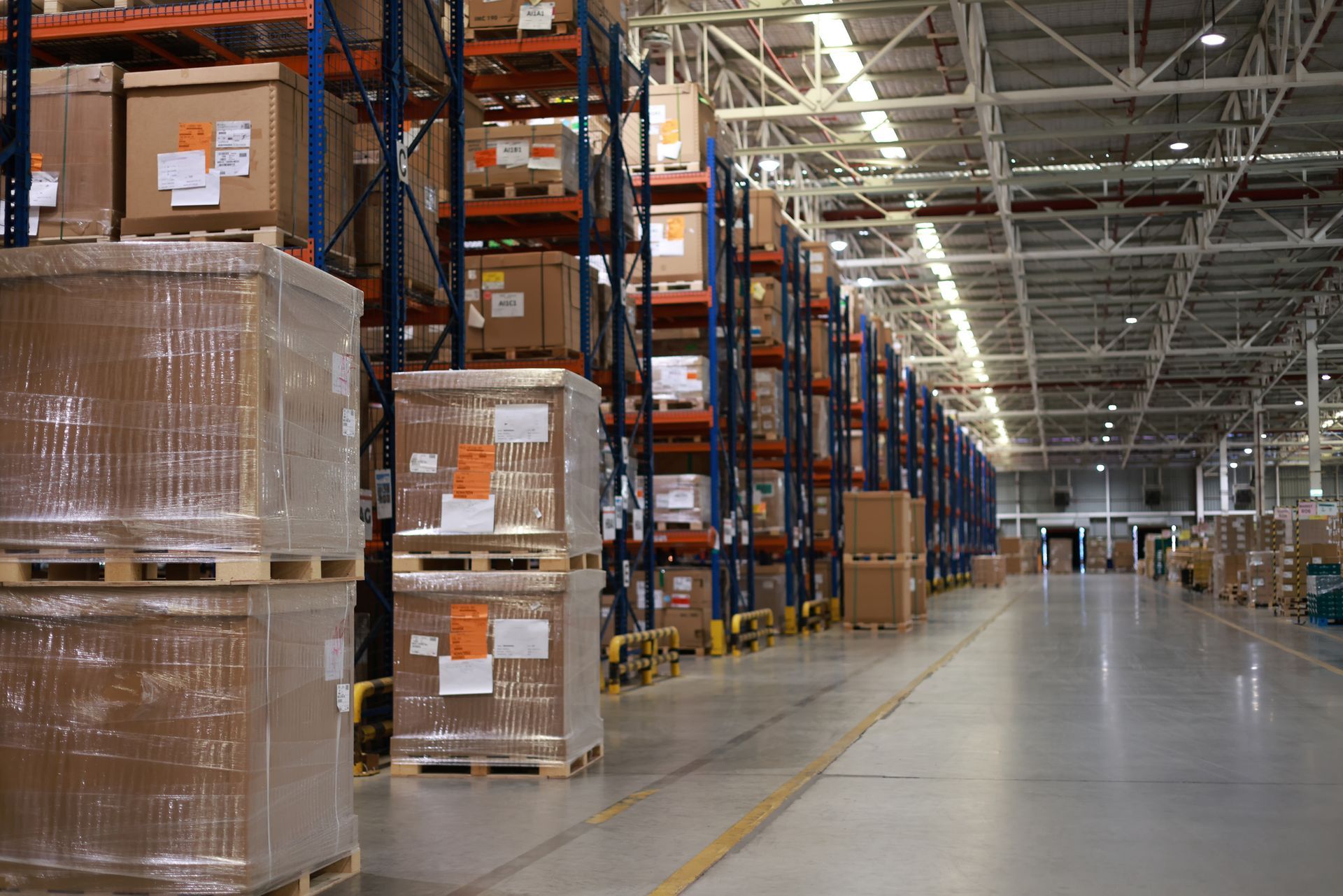
| Warehouses & Docks | High Heavy Soil | Sweeping, spill cleanup | Power scrubbing main aisles | High-dusting overhead structural beams |
Key Cleaning Cadences by Functional Zone
- Lobbies and Entryways: Daily vacuuming of entry mats, sweeping and mopping hard flooring, emptying trash, and cleaning entry door glass touchpoints. Detail-dust reception counters weekly, and scrub hard floors quarterly.
- Commercial Restrooms: Daily cleaning and disinfection of toilets, urinals, sinks, and countertops. Replenish soap and paper products, mop floors with neutral disinfectant, and empty waste containers. Machine-scrub tile floors weekly.
- Open Workstations and Office Pods: Daily central waste bin removal, spot-vacuuming walkways, and disinfecting shared touchpoints. Vacuum carpeted areas weekly and perform bi-annual hot-water extraction.
- Conference Rooms and Meeting Spaces: Daily table wiping, seating alignment, trash removal, and board cleaning. Vacuum carpet edges weekly and deep-clean seating as needed.
Managing these varied interior zones across larger facilities requires organized oversight. Professional janitorial services ensure that every zone receives its designated frequency without daily tasks falling through during busy shifts.
What Janitorial Cleaning Cadence Does Your Industry Vertical Require?
Industry sectors operate under distinct regulatory and operational requirements that dictate janitorial frequency. Healthcare facilities require clinical-grade daily disinfection, educational institutions balance high occupant density with rigid seasonal break schedules, and industrial sites focus on dust and heavy soil containment. Matching cleaning cadences to specific vertical standards ensures operational compliance and occupant safety.
- Corporate Office Buildings: Daily janitorial scopes focus on restrooms, breakrooms, and central lobbies. Workstation cleaning occurs two to three times weekly, while carpet extraction and floor refinishing are scheduled semi-annually.
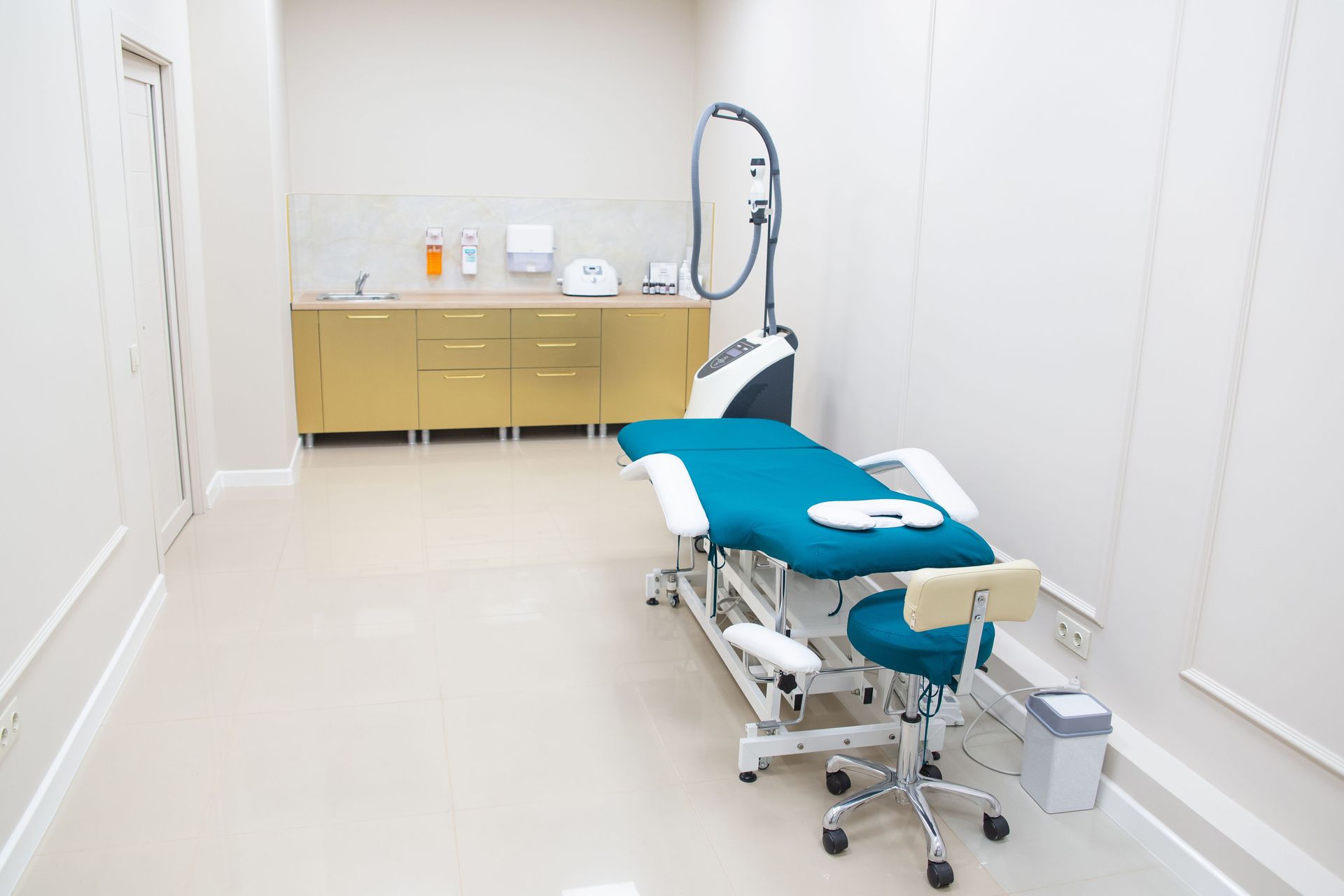
- Medical Facilities and Outpatient Clinics: Healthcare environments require clinical sanitation rather than basic surface appearance. Exam rooms, waiting areas, and restrooms demand daily cleaning using EPA-registered disinfectants with verified dwell times.
- Warehouses and Industrial Logistics Parks: Administrative office pods require standard daily janitorial care, while primary floor spaces operate on a specialized schedule. Sweeper-scrubbers clear main aisles bi-weekly.
- Educational Facilities and Schools: Classrooms, hallways, and restrooms require daily cleaning and surface disinfection. Deep cleaning tasks are concentrated during summer, winter, and spring break windows.
Organizations operating across specialized sectors often utilize comprehensive commercial cleaning services to maintain consistent janitorial execution while adapting to industry-specific regulatory standards.
How New England Operational Factors Shift Your Cleaning Schedule
Commercial facility maintenance schedules in Southern New England must adapt dynamically to regional weather cycles and building characteristics. Heavy winter snowfall, road salt tracking, spring mud, and high summer humidity create floor care and surface maintenance challenges. Adjusting cleaning frequency around seasonal weather changes protects interior building surfaces from permanent environmental damage.
Facilities operating in Rhode Island, Connecticut, and Western Massachusetts contend with distinct environmental pressures that alter standard calendar schedules:
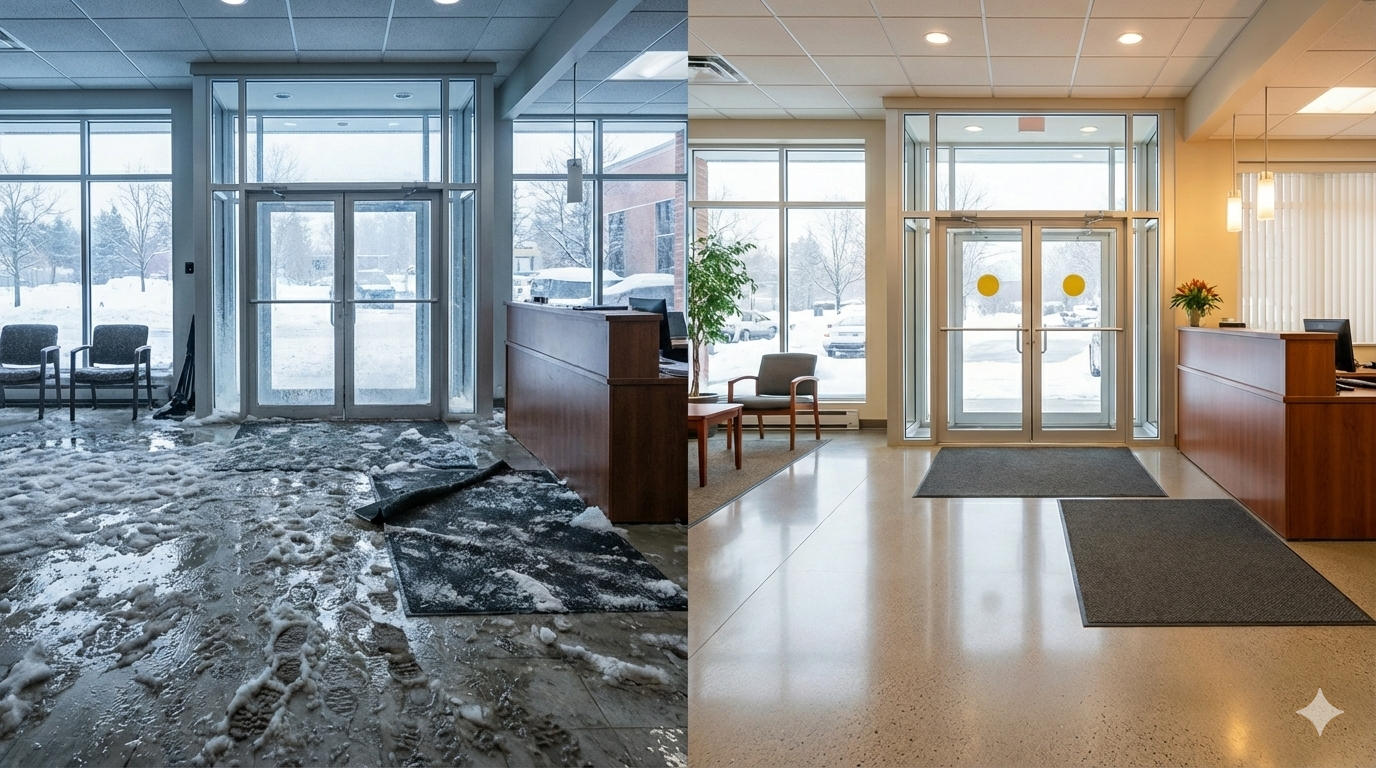
- Winter Salt, Sand, and Slush Management (November through March): De-icing chemicals and rock salt tracked into lobbies chemically break down floor finishes and embed in carpet fibers. Entryway vacuuming and mopping frequencies double during active storms, while floor neutralizers replace standard cleaners.
- Spring Moisture and Pollen Intrusion (April through June): Rain, mud, and heavy pollen tracking require daily lobby mopping to prevent mud from reaching carpeted suites. HEPA vacuuming schedules increase to capture fine pollen.
- Coastal Salt Air and High Humidity (July through September): Coastal properties along Shoreline Connecticut and Narragansett Bay face salt air and humidity that accelerate grime accumulation on glass. Exterior glass cleaning increases to monthly rotations.
- Historic and Converted Mill Properties: Business hubs across Providence and Springfield feature historic mill conversions with exposed brick and high ceilings. Quarterly high-dusting of overhead beams prevents dust from falling onto workstations below.
Partnering with a local Rhode Island commercial cleaning company provides facility managers with regional expertise, ensuring cleaning schedules adapt smoothly to local weather shifts.
How Do You Determine if Your Current Cleaning Frequency Is Failing?
Facility managers identify an underperforming cleaning schedule through measurable visual indicators, occupant feedback, and premature building material degradation. Persistent restroom odors, dulled floor finishes, dust accumulation on elevated surfaces, and rising sick leave rates signal that current janitorial frequency is insufficient. Auditing these physical indicators allows building leaders to adjust scope before long-term damage occurs.
- Escalating Occupant and Tenant Complaints: A sudden spike in occupant feedback regarding unemptied waste bins, smudged glass, or unstocked restrooms indicates a failure in daily janitorial coverage. Tracking complaint locations pinpoints specific zones requiring increased cleaning frequency.
- Dull Floor Finishes and Embedded Carpet Traffic Lanes: When high-traffic carpet lanes appear permanently darkened or VCT tile loses its protective shine within weeks of buffing, the daily sweeping and vacuuming frequency is too low. Dry grit acts like sandpaper under foot traffic, wearing down protective coatings.
- Restroom Odor Retention Despite Daily Mopping: Standard surface mopping removes topical dirt but fails to address sub-surface soil. Persistent odors indicate that organic matter has penetrated porous grout lines or dry floor traps, signaling the need for weekly machine scrubbing.
Frequently Asked Questions
What is the difference between daily janitorial cleaning and periodic floor care?
Daily janitorial cleaning focuses on recurring hygienic maintenance, including trash removal, surface dusting, restroom sanitization, and spot mopping. These ongoing tasks prevent immediate soil accumulation, manage health risks, and maintain daily visual standards across occupied spaces.
Periodic floor care involves specialized restoration work scheduled on a monthly, quarterly, or annual basis. Services such as carpet hot-water extraction, tile and grout machine scrubbing, and hard floor stripping and waxing restore deep-set wear and protect long-term flooring investments from permanent damage.
How often should high-touch surfaces in a commercial office be disinfected?
High-touch surfaces, including door handles, elevator buttons, stair handrails, shared microwave handles, and light switches, should be disinfected at least once daily in standard corporate environments. Daily removal of viral and bacterial pathogens directly reduces workplace illness and employee absenteeism.
In high-density facilities or medical clinics, high-touch surface disinfection frequency should increase to twice daily or be supplemented with a daytime porter service focused on continuous common area sanitization.
How does building occupancy rate affect the required janitorial frequency?
Building occupancy directly dictates soil generation, restroom usage, and trash volume. A fully occupied 50,000-square-foot facility operating at full capacity requires comprehensive daily janitorial coverage across all zones to manage heavy hygiene and waste demands.
If a building transitions to a hybrid work model with lower daily density, core janitorial frequency can be optimized. Restrooms and main entryways still require daily service on active workdays, while individual office pods can transition to alternating-day cleaning routines.
Should commercial carpets be cleaned quarterly or bi-annually?
Commercial carpet cleaning frequency depends on foot traffic levels, outdoor weather exposure, and building entry matting quality. Lobbies, main corridors, and ground-floor entryways in high-traffic commercial buildings benefit from quarterly hot-water extraction to remove abrasive grit and prevent fiber wear.
Secondary office suites and upper-floor spaces with low traffic typically require professional carpet extraction bi-annually or annually. Establishing a routine extraction schedule extends carpet lifespan and preserves indoor air quality.
How do facility managers adjust cleaning schedules during New England winter months?
Facility managers in Southern New England adjust winter cleaning scopes by increasing entryway mat care and daily floor mopping frequencies to counteract tracked-in rock salt, sand, and slush. Standard neutral cleaners give way to specialized winter floor neutralizers to prevent white salt haze from damaging floor finishes.
Winter schedules often include increased daily vacuuming of walk-off mats and higher frequency wiping of lower glass panels on entryway doors where slush and salt spray accumulate during major snow events.
Conclusion
Establishing an effective cleaning schedule requires evaluating occupant density, space utilization, and industry compliance standards. Facility leaders who align daily janitorial care with periodic deep maintenance protect physical assets, reduce occupant complaints, and maintain healthy indoor environments. Following a structured commercial cleaning frequency guide ensures your building maintains high operational standards while keeping maintenance costs predictable.
For a custom assessment of your facility's scope and cleaning frequency, System4 IPS schedules on-site facility walkthroughs across RI, CT, and Western MA, or you can call our team directly at (401) 615-7043.