

Day Porter vs. Night Janitorial Service: Choosing the Right Shift for Your Building
Selecting the proper cleaning shift determines how effectively a commercial facility maintains operational standards, handles immediate maintenance issues, and manages labor costs. Facility managers must choose between daytime porter coverage, after-hours night janitorial service, or a combined hybrid model based on occupant density and building usage. This commercial cleaning guide evaluates day porter vs night cleaning capabilities to help corporate leaders select the optimal service schedule for their properties.
What Is the Difference Between Day Porter vs. Night Cleaning?
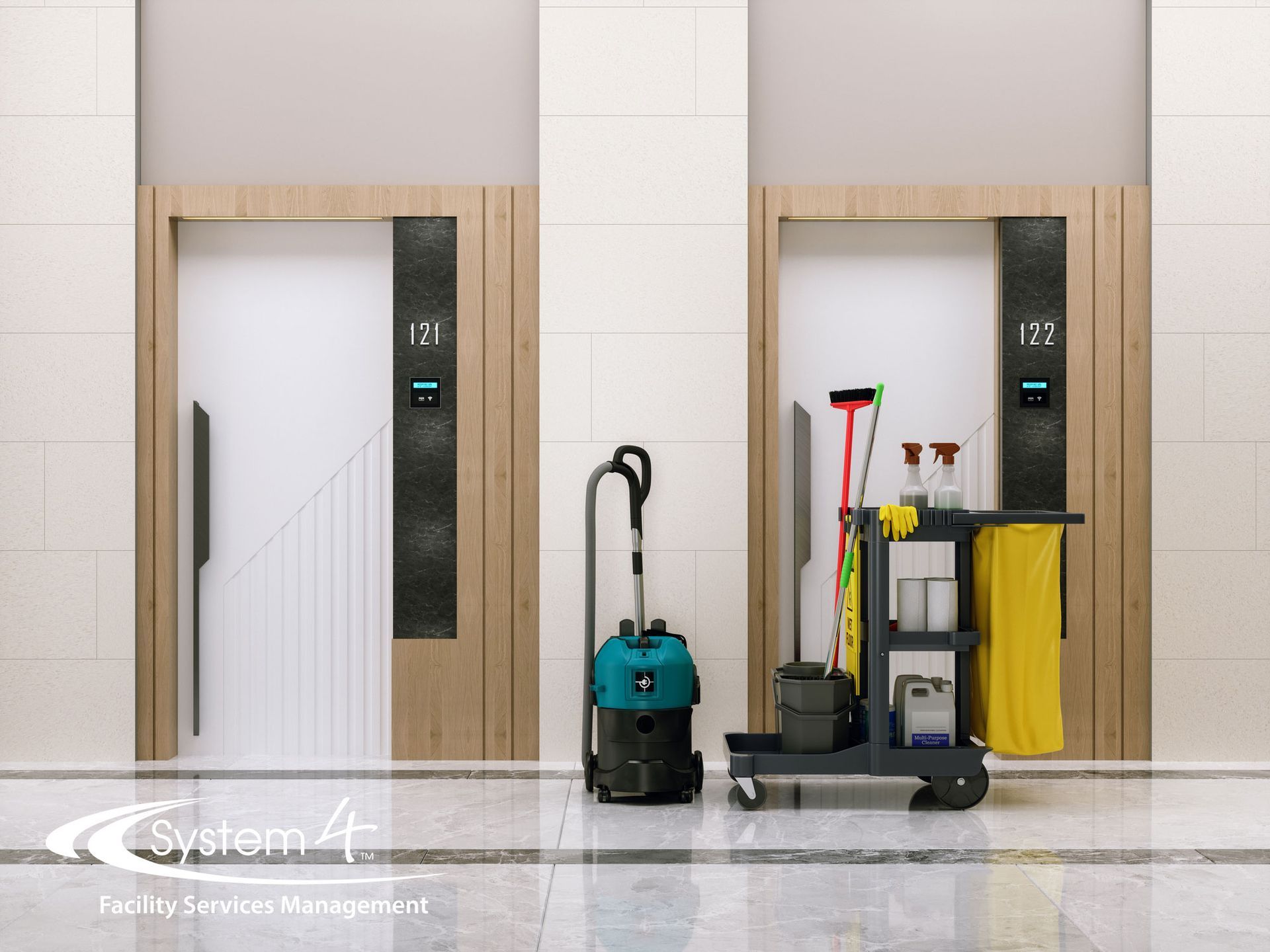
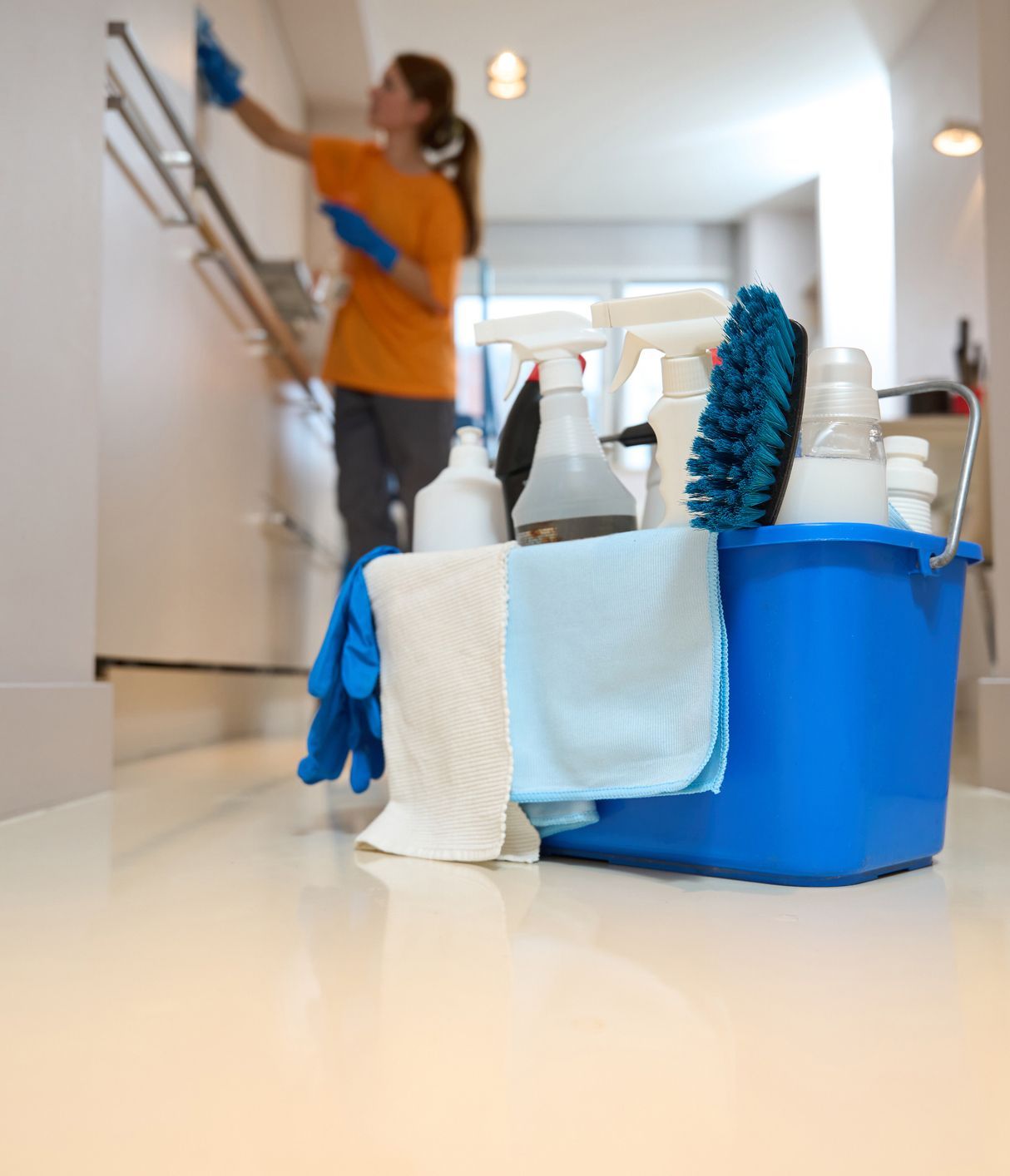
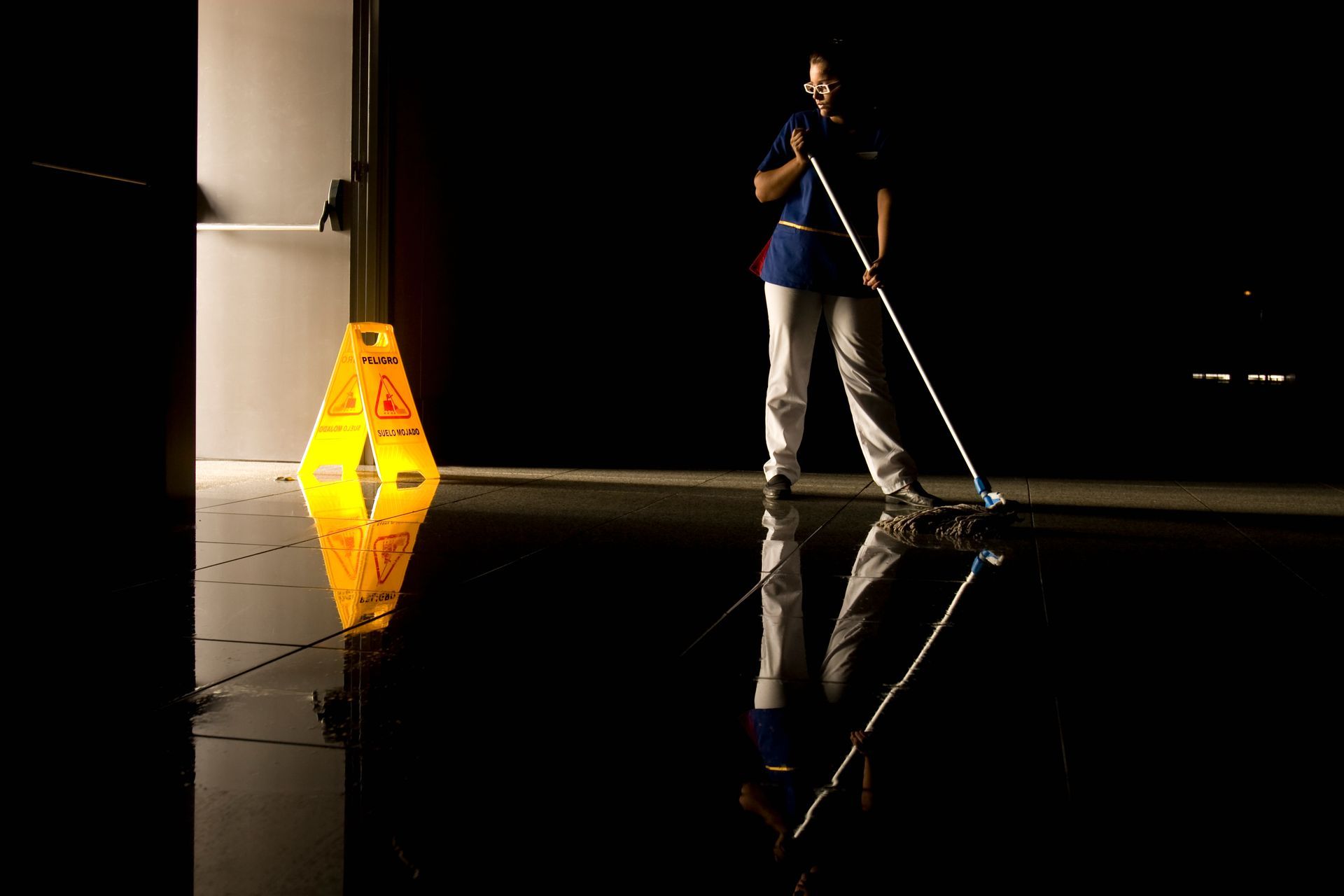
The primary difference between day porter vs night cleaning centers on timing, visibility, and task execution. Day porters work during active business hours to manage continuous restroom sanitization, lobby upkeep, spill response, and supply restocking in busy commercial buildings. Night cleaning crews operate after occupants depart, executing silent deep cleaning, floor care, waste removal, and workstation sanitization without interrupting tenant workflows.
Corporate facility managers balance immediate cleanliness against workplace disruption. Daytime porters function as on-site facility assistants, addressing real-time spills, trash overflows, and high-touch surface disinfection. Night janitorial service provides uninterrupted access to dark offices, allowing crews to perform heavy vacuuming, trash collection, and floor refinishing without creating noise or safety hazards for office workers.
Evaluating building foot traffic and tenant expectations clarifies whether daytime presence or nighttime efficiency is required. High-density buildings with constant visitor turnover require daytime attention to prevent common areas from deteriorating before noon. Facilities with restricted secure zones or dense cubicle layouts benefit from night crews who navigate open floors efficiently.
Operational Comparison: Day Porter vs. Night Janitorial Service
Comparing day porter vs night cleaning across core operational categories reveals distinct strengths for each shift model. Day porters excel at immediate response and occupant interaction, whereas night crews deliver comprehensive surface coverage and deep restoration. Understanding these operational differences enables facility managers to allocate janitorial budgets effectively.
The table below summarizes key operational distinctions between daytime porter service and after-hours night janitorial care:
| Operational Category | Day Porter Service | Night Janitorial Service |
|---|---|---|
| Primary Operational Focus | Continuous upkeep, restocking, and immediate spill response | Comprehensive floor cleaning, trash removal, and deep sanitization |
| Building Occupancy State | Active business hours with high tenant density | Unoccupied shift hours after commercial closing |
| Security & Building Access | Manages daytime visitors, assists vendors | Uses keycards, sets building alarms, secures perimeter doors |
| Energy & Facility Impact | Uses existing daytime lighting and HVAC infrastructure | Requires night lighting and scheduled off-peak HVAC run times |
| Noise & Disruption Risk | Uses quiet equipment to avoid disturbing meetings | Operates heavy machinery, vacuums, and floor buffers freely |
Key Operational Trade-offs
- Restroom Maintenance and Odor Control: High-density corporate offices experience heavy restroom usage between 8:00 AM and 5:00 PM. Day porters perform hourly checks, wipe countertops, clear trash, and replenish paper products. Night crews focus on chemical sanitization, floor mopping, and grout cleaning after fixtures cool down.
- Building Security and Alarm Protocols: Night cleaning requires trusted access protocols, including keycard management, dual-custody alarm codes, and perimeter door verification. Daytime porters work while doors are unlocked, reducing security risk while providing visible monitoring of common entryways.
- Energy Consumption and HVAC Coordination: Night janitorial teams require overhead lighting and climate control while servicing large square footage. Running HVAC units during off-peak night hours can increase utility expenses, whereas daytime porters operate within existing building operating hours.
Facilities requiring comprehensive coverage often deploy managed office cleaning services that integrate daytime porter support with nightly deep cleaning schedules.
When Should a Facility Manager Hire a Daytime Porter?
A facility manager should hire a daytime porter when a building experiences continuous public traffic, frequent executive meetings, or rapid restroom soil accumulation during business hours. Properties exceeding 30,000 square feet or housing over 150 daily occupants generate ongoing maintenance demands that cannot wait for evening crews. Day porters preserve professional building standards by resolving visual issues before tenants notice them.
Certain facility profiles demand active daytime maintenance to uphold brand reputation and operational safety:
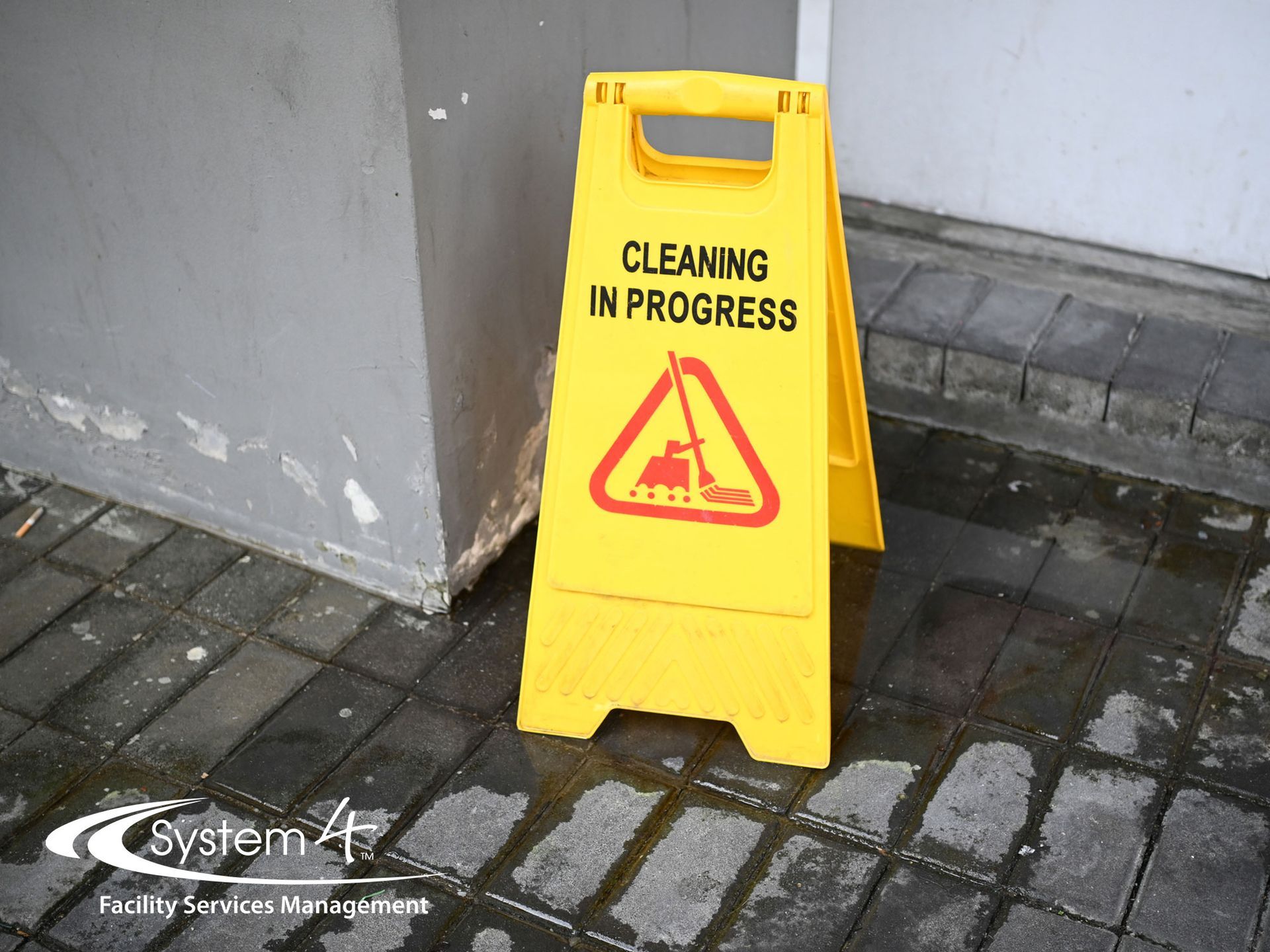
- Multi-Tenant Corporate Headquarters: High-rise lobbies accumulate shoe dirt, water droplets, and trash rapidly. A day porter maintains entry glass and dry, slip-free lobby floors throughout peak arrival hours.
- Medical Office Buildings and Outpatient Clinics: Healthcare common areas require continuous touchpoint disinfection to reduce cross-contamination. Day porters wipe door handles, elevator buttons, and waiting room seating on repeating schedules.
- Corporate Campuses with Large Cafeterias: Shared dining areas and kitchenettes experience heavy spill volume during lunch surges. Porters clear tables, empty food waste containers, and sanitize countertops to prevent pest attraction.
Integrating dedicated janitorial services during daytime hours ensures immediate response to unpredictable facility issues while keeping long-term maintenance costs structured.
When Is Night Janitorial Service the Best Choice?
Night janitorial service is the best choice for commercial facilities where routine task execution creates noise, safety hazards, or workflow interruptions during business hours. Standard corporate offices, legal suites, financial institutions, and tech firms rely on evening crews to perform detail cleaning while desks and conference rooms are vacant. Night cleaning guarantees that employees arrive each morning to a clean, disinfected workplace.
Facilities that benefit most from evening janitorial schedules share specific operational characteristics:
- Professional Service Firms and Law Offices: High-focus work environments require quiet spaces. Vacuuming, trash bin emptying, and table wiping during the day disturb phone calls and client consultations.
- Financial Institutions and Banking Branches: Secure financial facilities require strict confidentiality. Night crews clean teller lines, desk surfaces, and document areas under monitored access protocols without exposing sensitive paperwork during business hours.
- Technology Companies and Data Centers: Open-plan tech offices feature high workstation density and sensitive electronic equipment. Night teams clean cable-heavy desk clusters and vacuum carpeted aisles without disturbing software engineers.
Corporate property leaders managing facilities across Southern New England often partner with a regional Connecticut commercial cleaning company to establish secure, audited night cleaning routines.
How to Determine if a Hybrid Cleaning Model Is Necessary
Facility managers determine if a hybrid cleaning model is necessary by evaluating building size, tenant density, and budget flexibility against daily operational friction. Combining a daytime porter with an evening janitorial crew provides immediate response during business hours while preserving thorough night cleaning. This dual approach prevents daytime clutter from escalating while ensuring deep sanitation across all square footage.
To evaluate whether your property requires a hybrid structure, review these common operational indicators:
- High Occupant Density Combined with Strict Hygiene Standards: Facilities housing over 200 daily workers generate enough restroom usage and breakroom waste to overwhelm evening-only scopes. A daytime porter handles immediate waste and restocking, allowing night crews to focus on detail tasks.
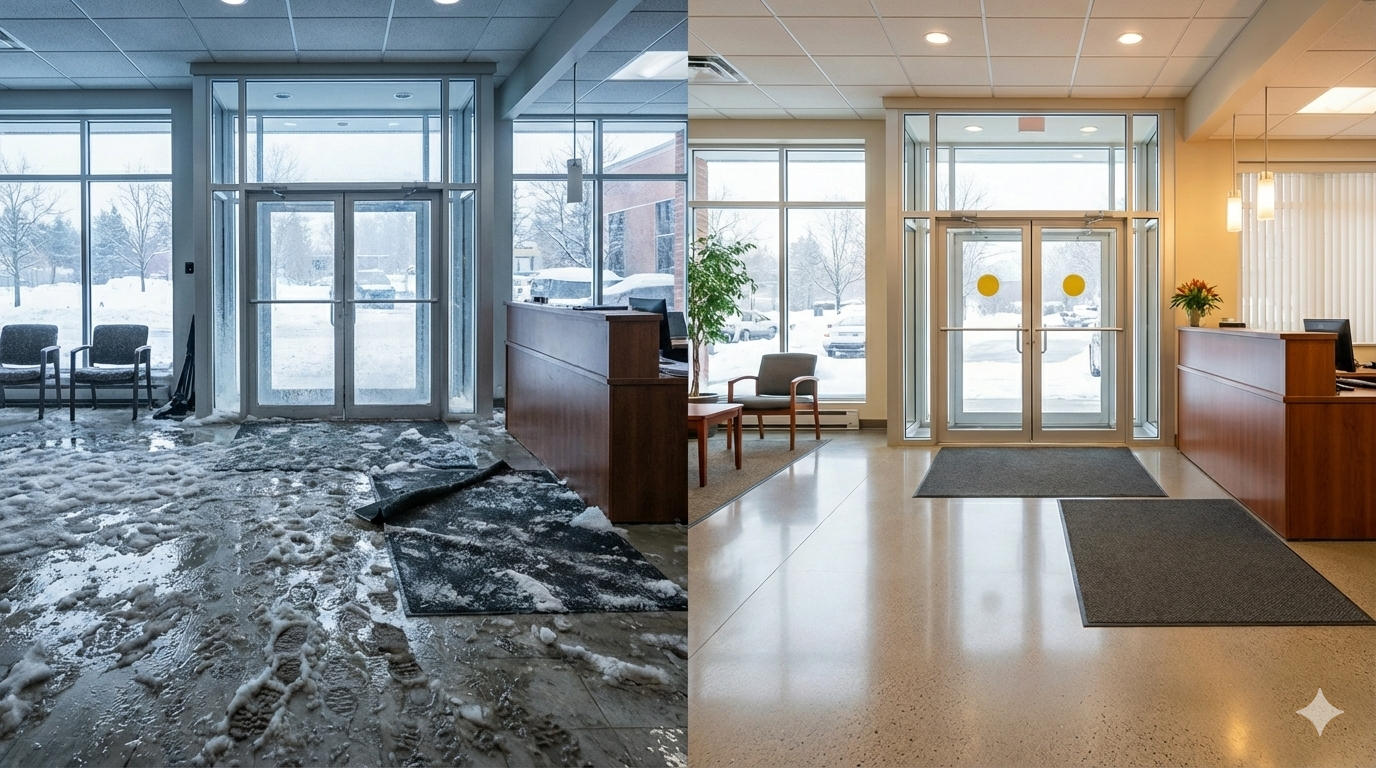
- Weather-Exposed Entryways in Southern New England: Winter slush, road salt, and spring rain tracked into lobbies create immediate slip hazards. Daytime porters maintain entryway mats and mop moisture, protecting hard floor finishes for nighttime burnishing.
- Frequent Executive Visits and Client Presentations: Corporate headquarters hosting frequent meetings require pristine boardrooms and restrooms at all times. Daytime porters refresh conference tables between sessions, while night teams perform deep carpet care.
Frequently Asked Questions
What specific duties does a daytime porter perform in a corporate office?
A daytime porter performs continuous facility maintenance tasks during active business hours to support building appearance and safety. Primary duties include monitoring and restocking restrooms, sanitizing common touchpoints, clearing lobby trash containers, wiping breakroom counters, and cleaning entry glass. Porters also provide rapid spill response and assist facility managers with light physical setups or vendor deliveries.
By handling immediate operational needs throughout the day, porters prevent common areas from deteriorating during peak occupancy periods. This continuous care maintains a professional environment for tenants, employees, and visitors.
Does hiring a day porter cost more than hiring a night janitorial crew?
Hiring a day porter involves dedicated hourly labor allocated to a single building, whereas night janitorial service often utilizes shared crew production rates across multiple tasks. Day porters work set full-time or part-time hours during standard business shifts. Night cleaning costs depend on total square footage, task frequency, and production rates per hour.
While adding a day porter increases overall monthly cleaning expenditure, it reduces long-term building repair costs. Porters protect flooring investments by removing tracked-in grit immediately and preventing water damage from unaddressed restroom leaks.
How do night cleaning crews handle building security and alarm access?
Night cleaning crews follow strict security and access control protocols established by facility managers and account supervisors. Key cards, electronic fobs, and unique alarm arming codes are assigned to specific team leads and audited regularly. Cleaning personnel log entry and exit times, verify that exterior doors remain locked during service, and re-arm security systems upon departure.
Managed cleaning providers enforce background checks and dual-custody key management. Dedicated account managers conduct surprise evening audits to ensure security protocols are followed without exception.
Can a facility transition from night cleaning to day porter service without increasing costs?
Transitioning entirely from night cleaning to day porter service without changing total expenditure is difficult due to differing task capabilities. While a day porter handles waste removal and basic surface care, heavy vacuuming and floor machine operation cannot occur easily around working employees. Attempting to replace night service entirely leads to incomplete floor maintenance.
Facilities seeking to optimize budgets can reduce night cleaning frequency while adding a part-time day porter. Servicing private offices three nights weekly instead of five frees up labor budget to cover peak daytime hours in high-impact lobbies and restrooms.
How do New England winter conditions affect the choice between day and night cleaning?
New England winter weather significantly increases the need for daytime porter coverage in commercial buildings. Snow, slush, sand, and chemical ice melt tracked into entryways create severe floor damage and immediate slip-and-fall liabilities. Daytime porters continuously clean entry mats, mop lobby floors, and apply floor neutralizers to prevent white salt haze from ruining VCT and stone surfaces.
Night cleaning crews remain essential during winter months to extract salt-laden carpet fibers and scrub hard floors after slush dries. Combining daytime mat care with nighttime floor neutralization protects interior capital assets throughout harsh winter cycles.
Conclusion
Choosing between day porter vs night cleaning depends on tenant density, operational hours, and building security needs. Daytime porters deliver immediate response and continuous upkeep in busy corporate environments, while night crews provide undisturbed deep cleaning and floor care. Facility leaders who align their cleaning shifts with actual building usage protect property assets, maintain occupant satisfaction, and optimize operating budgets.
If you want a professional evaluation of your facility's shift requirements, System4 IPS schedules on-site facility walkthroughs across RI, CT, and Western MA, or you can call our team directly at (401) 615-7043.