


Fall Facility Maintenance Checklist New England: Preparing Buildings for Cold Weather

September 27, 2026

Share this article

Preparing a commercial property for cold weather requires systematic inspection, preventive cleaning, and building envelope protection. Facilities across Rhode Island, Connecticut, and Western Massachusetts face heavy autumn rainfall, rapid freeze-thaw cycles, and early winter storms that test mechanical and interior floor systems. Implementing a structured fall facility maintenance checklist New England engineers depend on ensures building systems operate efficiently while shielding interior finishes from severe weather damage.

Why Fall Facility Maintenance Is Critical for New England Commercial Properties

Fall facility maintenance protects commercial infrastructure from freezing temperatures, moisture penetration, and salt-induced floor deterioration before winter conditions arrive. Inspecting HVAC systems, sealing building envelopes, and installing entryway matting systems during autumn prevents sudden heating failures and reduces structural repair costs. Early preparation ensures commercial properties remain safe, compliant, and energy-efficient throughout harsh regional winters.

New England climate patterns bring drastic temperature shifts between September and November. Unchecked roof drains accumulate fallen foliage, causing standing water that freezes, expands, and damages roofing membranes. Meanwhile, unsealed window perimeters allow cold air infiltration, driving up heating bills and placing unnecessary stress on boilers and heat pumps.

Interior building components face equal risk as rain, mud, and early road salt are tracked directly into lobbies. Without early intervention, abrasive grit degrades hard floor finishes and embeds deep into carpet fibers. Addressing exterior seals, mechanical systems, and floor protection simultaneously creates a resilient barrier against cold weather threats.

Fall Facility Maintenance Checklist New England: A 15-Point Operational Guide

A fall facility maintenance checklist New England building managers rely on covers fifteen essential tasks organized across four operational categories: HVAC systems, building envelope, entryway protection, and plumbing integrity. Completing these tasks between September and November prevents freeze damage, maintains indoor air quality, and protects interior flooring investments.

Building engineers and facility operations teams must execute a methodical inspection across all primary building zones. The operational checklist below outlines the core tasks required before the first hard freeze:

Operational Zone Priority Task Inspection Target Recommended Frequency
Mechanical & HVAC Filter Replacement & Register Cleaning Air handlers, rooftop units, supply registers Semi-Annual (Fall / Spring)
Mechanical & HVAC Boiler & Heating System Tune-Up Burners, heat exchangers, circulating pumps Annual (Early Fall)
Mechanical & HVAC Belt & Motor Inspection Fan belts, bearings, blower assemblies Quarterly
Building Envelope Roof & Drain Clearing Primary drains, scuppers, gutters, downspouts Bi-Weekly during leaf fall
Building Envelope Window & Door Weatherstripping Perimeter seals, door sweeps, expansion joints Annual (Fall)
Building Envelope Exterior Masonry & Mortar Inspection Brickwork, precast panels, foundation walls Annual (Fall)
Entryways & Flooring Walk-Off Matting System Installation Main lobbies, vestibules, side entrances Seasonal Deployment (October)
Entryways & Flooring Hard Floor Scrub & Seal VCT, terrazzo, polished concrete Semi-Annual / Annual
Entryways & Flooring Carpet Hot-Water Extraction Lobby carpets, high-traffic corridors Quarterly / Semi-Annual
Plumbing & Restrooms Exterior Pipe Insulation & Heat Trace Exposed lines, loading docks, unheated risers Annual (Early Fall)
Plumbing & Restrooms Hose Bib Isolation & Line Draining Outdoor spigots, irrigation backflows Annual (Before first freeze)
Plumbing & Restrooms Restroom Trap & Drain Flushing Floor drains, trap primers, mechanical rooms Monthly
Grounds & Safety Snow & Ice Vendor Contracting Plowing routes, salt staging, walkway clearance Annual (September / October)
Grounds & Safety Exterior Lighting Audit Parking lots, walkways, entryway sconces Monthly
Grounds & Safety Tree Branch Pruning Overhead limbs near power lines or roofs Annual (Late Fall)

Building Envelope and HVAC System Preparation

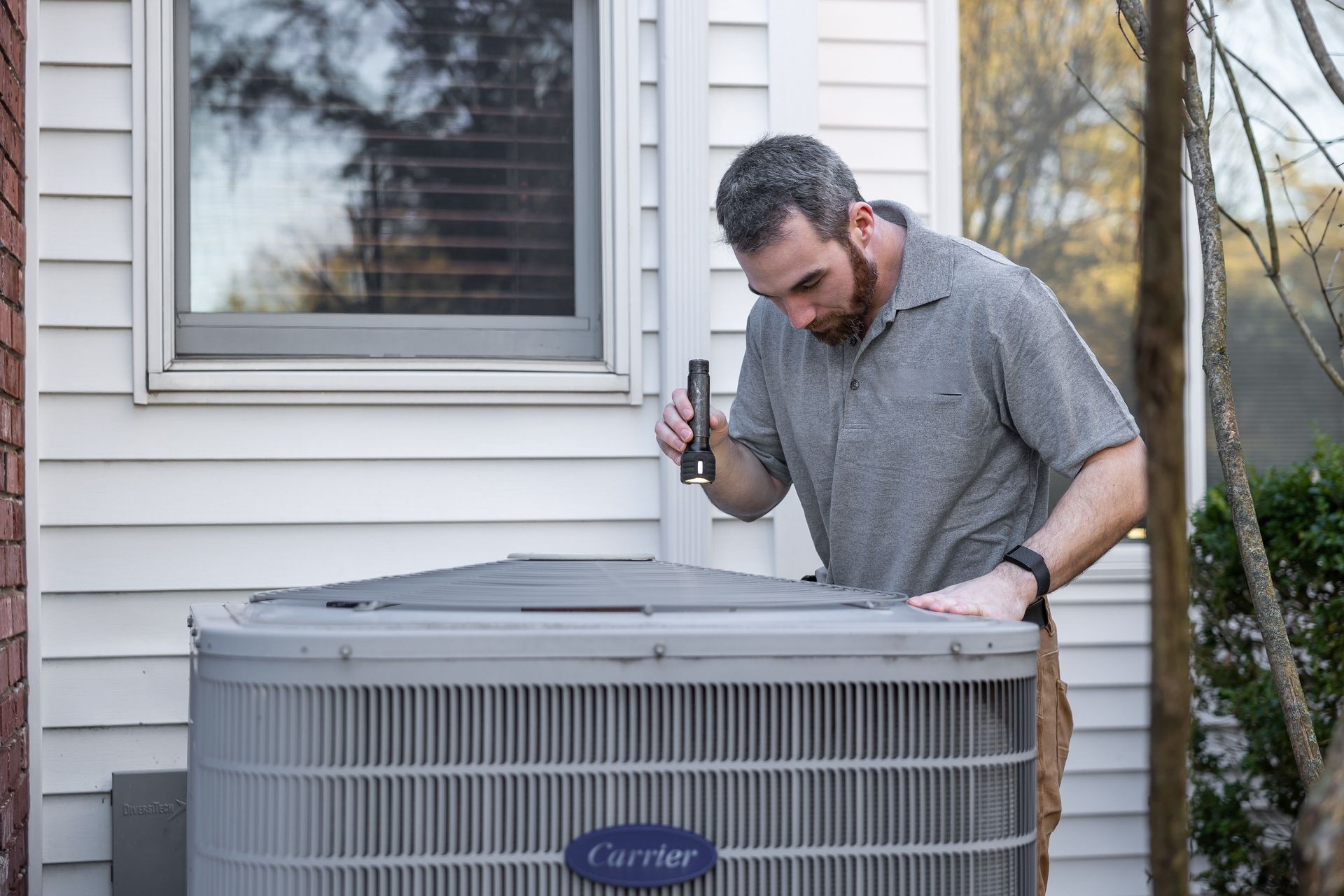
  • Heating System Servicing: Schedule comprehensive burner inspections, combustion testing, and pump calibration for commercial boilers and furnaces before outdoor temperatures drop below freezing.
  • Air Filter and Duct Inspection: Replace return and supply air filters with fresh MERV-rated media. Clean supply registers and outlet louvers to clear accumulated dust and maintain airflow.
  • Roof and Scupper Maintenance: Clear leaves, twigs, and silt from roof drains, gutters, and scuppers. Inspect roof flashing around HVAC curbs and parapet walls to prevent ice dam formation.
  • Weatherization and Joint Sealing: Check exterior caulk joints, expansion seams, and window weatherstripping. Replace brittle rubber door sweeps on loading docks and main entryways to block drafts.

Entryway Matting and Interior Floor Protection

  • Walk-Off Mat Deployment: Lay down heavy-duty scraper and wiper matting covering at least 12 to 15 feet of entry walk space. Proper matting traps up to 85 percent of outdoor salt, sand, and moisture before foot traffic reaches interior flooring.
  • Deep Carpet Extraction: Perform hot-water carpet extraction across lobby areas and main hallways. Extracting ground-in summer dirt before winter arrives strengthens carpet fibers against salt abrasion.
  • Hard Floor Machine Scrubbing: Scrub and seal hard flooring surfaces, including vinyl composition tile and terrazzo. Applying a fresh protective finish seals porous materials against chemical ice melt damage.

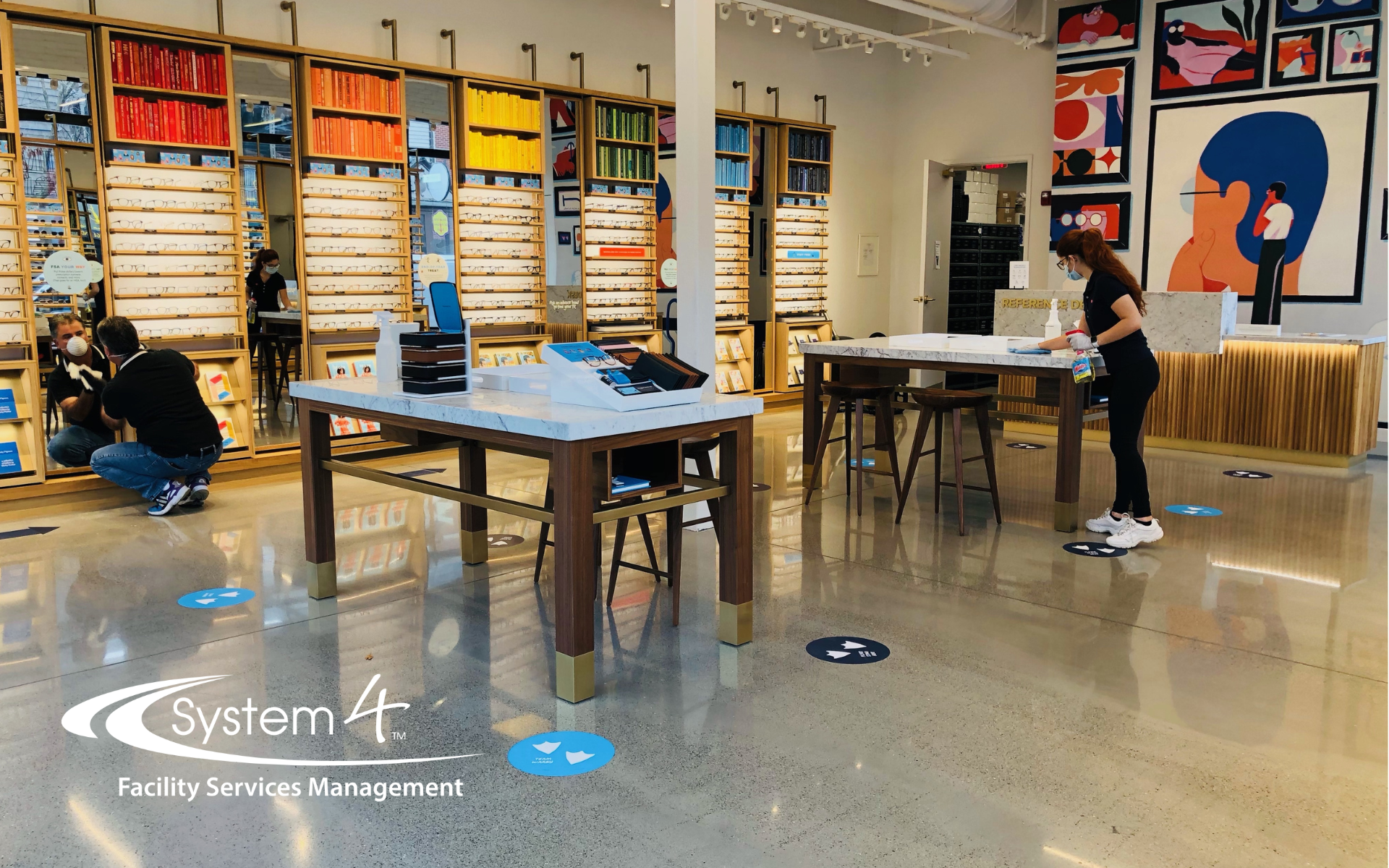
Building operations teams often contract professional commercial cleaning services to handle large-scale floor preparation and high-dusting tasks while internal staff focuses on mechanical systems.

Key Weather Factors That Impact Southern New England Buildings

Southern New England weather conditions subject commercial facilities to distinct environmental pressures during the fall-to-winter transition. High humidity in coastal areas, heavy leaf drop in suburban office parks, and sudden temperature fluctuations create operational challenges. Understanding these regional factors allows facility personnel to adjust maintenance schedules before structural or interior damage occurs.

Facilities operating in Providence, Hartford, and Springfield face specific seasonal hazards:

  • Freeze-Thaw Temperature Cycles: Late autumn brings warm daytime temperatures followed by freezing night temperatures. Water trapped in unsealed exterior masonry or clogged gutters freezes and expands, causing spalling brickwork and roof leaks.
  • Sand, Salt, and Ice Melt Intrusion: De-icing chemicals tracked indoors destroy protective floor wax and alter carpet pH levels. Establishing daily entryway mopping routines and utilizing specialized commercial floor cleaning keeps hard surfaces clear of corrosive white salt haze.
  • Organic Foliage Buildup: Falling leaves clog exterior storm drains and parking lot basins, leading to localized flooding during heavy autumn rainstorms. Leaves tracked into entryways create immediate slip-and-fall hazards when wet.

Building engineers managing properties in Western Massachusetts often partner with a local Massachusetts commercial cleaning company to ensure specialty floor care and janitorial schedules align with local weather shifts.

How Building Engineers Coordinate Fall Maintenance Across Internal Staff and Vendors

Building engineers coordinate fall maintenance by assigning routine daily tasks to internal custodial staff while scheduling specialized mechanical and floor restoration work with external service providers. Developing a clear operational timeline prevents contractor scheduling bottlenecks and ensures all winter prep tasks finish before November. Centralizing communication through digital work orders maintains accountability across all teams.

Successful seasonal transitions require structured management practices:

  • Establishing Firm Completion Deadlines: Schedule boiler tune-ups, backflow prevention tests, and deep floor care before October 31. Vendor availability drops significantly once winter storms begin across the region.
  • Inventorying Winter Supplies Early: Verify stock levels for ice melt, snow shovels, entrance mats, and floor neutralizer chemicals. Purchasing supplies in September avoids seasonal price surges and inventory shortages.
  • Auditing Vendor Scope and Documentation: Review service level agreements with cleaning contractors and grounds maintenance teams. Confirm that entry matting care, emergency spill response, and salt neutralization protocols are explicitly detailed in the scope of work.

Frequently Asked Questions

  • When should a facility manager in New England begin fall maintenance preparation?

    Facility managers in New England should begin fall maintenance preparation in early September. Initiating roof inspections, HVAC tune-ups, and vendor contracting before October ensures maintenance teams complete exterior and mechanical work before the first freeze.


    Beginning early also secures contractor availability for specialty tasks, such as boiler servicing and commercial carpet extraction, which become difficult to schedule during peak late-fall demand.

  • How many feet of entrance matting are required for commercial buildings during winter?

    Commercial facilities should install a minimum of 12 to 15 continuous feet of entrance walk-off matting at all primary building entryways. This length allows occupants to take approximately six to eight strides on matting surfaces, capturing up to 85 percent of moisture, salt, and sand.


    Combining outdoor scraper mats with indoor absorption wiper mats provides maximum protection for interior hard floors and carpeted lobbies.

  • How does ice melt chemical residue damage commercial flooring?

    Ice melt residue contains calcium chloride or sodium chloride, which leaves a white alkaline film on floor surfaces. This residue chemically softens floor finishes, dulls high-gloss wax, and attracts additional dirt under foot traffic.


    On carpeted surfaces, tracked-in salt crystals dry and act as abrasive blades that cut carpet fibers, leading to permanent traffic lane wear.


  • What HVAC maintenance tasks are essential before turning on commercial heating?

    Essential pre-heating HVAC maintenance includes replacing air filters, inspecting blower belts, lubricating fan bearings, and calibrating operating thermostats. Technicians must also inspect heat exchangers for cracks, test burner ignition controls, and verify that heating flues clear combustion gases safely.


    Performing these checks before starting heating equipment prevents safety risks, reduces energy consumption, and eliminates sudden heating outages on cold mornings.

  • Why is fall carpet extraction necessary before winter weather begins?

    Fall carpet extraction removes deeply embedded sand, organic soil, and summer dust accumulated over preceding months. Cleaning carpets before winter creates a clean fiber base that releases tracked-in winter salt and slush more effectively during daily vacuuming.


    Extracting carpets in autumn also extends fiber lifespan and prevents fine dust from circulating through mechanical ventilation systems when heating units initiate.

Conclusion

Executing a structured fall facility maintenance checklist New England property leaders trust protects commercial assets, maintains energy efficiency, and prevents costly winter operational delays. Facility managers who systematically inspect building envelopes, tune HVAC systems, and establish comprehensive entryway floor defense safeguard occupant health while maintaining predictable operating costs.

For a custom assessment of your facility's cold weather readiness, System4 IPS schedules on-site facility walkthroughs across RI, CT, and Western MA, or you can call our team directly at (401) 615-7043.

Recent Posts

Bright art classroom with students working at tables and colorful wall shelves of supplies
September 22, 2026
Consolidate your vendors across RI, CT, and MA. Learn how multi-location commercial cleaning management simplifies your portfolio operations. Call us today.
Janitor vacuuming a hallway with a canister vacuum and floor attachment
September 15, 2026
Compare the total financial and operational impact of in-house vs outsourced janitorial services. Use our cost comparison worksheet to evaluate your facility.
Yellow
September 8, 2026
Stop chasing recurring janitorial issues. Identify the root causes of service failures and build a closed-loop resolution model for your property today.
Office hallway with two elevators and cleaning equipment cart beside them
September 3, 2026
Track vendor performance and eliminate cleaning defects with a janitorial quality control scorecard. Download actionable KPIs to audit your facility today.

Gloved hand wiping a metal door handle with blue cloth; text reads, “Your Facility Has Germ Hotspots. Do You Know Where?”
March 16, 2026
Discover 6 hidden germ hotspots in your facility and how often they should be cleaned to reduce absenteeism, complaints, and tenant churn.
Office split-screen: man reviewing papers beside “Commercial Cleaning Comparison” ad and a handshake with checklist.
January 5, 2026
Split-screen visual: Franchise chaos vs. System4IPS managed clarity. A single dedicated contact for New England commercial cleaning.
Snowy office lobby with glass doors, reception desks, and bright windows
December 17, 2025
Winter in New England is brutal on offices. From salt-eating floors to the flu season frenzy, her is the System4IPS guide to surviving the freeze without losing your mind.

Woman on phone holding a bucket to catch water leaking from the ceiling
November 17, 2025
When the Ceiling Leaks: How to Build a Facility Emergency Fund | System4 RI, CT & MA

Desk with calculator, pen, charts, and eyeglasses beside financial graphs and reports
November 13, 2025
Create facility management budgets without missing trends. Get expert advice from System 4IPS. Visit our site to learn more and plan effectively!

Five colleagues standing together in a modern office lobby, smiling with arms crossed
September 4, 2025
Don't take our word for it - read what RI, CT & MA businesses say about System4IPS commercial cleaning services. 99% client retention speaks volumes.
Show More