

Bank & Financial Facility Cleaning: Security, Access Protocols & Detail Care
Maintaining cleanliness across commercial bank branches and financial institutions requires strict adherence to security protocols, audited compliance routines, and meticulous surface care. Financial branch operations managers must balance daily public presentation with rigorous access control, ensuring cleaning personnel protect sensitive customer data and physical assets. Establishing verified bank branch janitorial cleaning standards ensures retail spaces remain welcoming while upholding regulatory compliance and dual-custody security procedures.
What Are Bank Branch Janitorial Cleaning Standards?
Bank branch janitorial cleaning standards are standardized protocols governing the sanitization, security, and maintenance of retail financial facilities. These standards mandate background-checked cleaning personnel, strict dual-custody access management, and specialized cleaning procedures tailored to high-security zones such as teller lines, vault corridors, and ATM vestibules. Adhering to established standards protects institutional reputation, preserves physical infrastructure, and safeguards confidential financial environments.
Unlike standard office buildings, financial branches operate under regulatory scrutiny and elevated physical risk. Janitorial scopes must define precise boundaries regarding surface interaction, confidential paper management, and electronic terminal care. Cleaning technicians must undergo comprehensive background screening before entering banking facilities.
Furthermore, janitorial schedules must coordinate around lock-up procedures, alarm arming protocols, and surveillance coverage. Establishing formal cleaning standards ensures every technician understands security expectations, preventing accidental security alarms, vault line compromises, or unmonitored door openings during evening service shifts.
Security & Access Control Protocols for Financial Facility Cleaning
Financial facility cleaning demands strict physical security procedures that protect cash handling zones, customer records, and secure entry points. Cleaning companies servicing bank branches must enforce background checks, audited keycard tracking, and alarm verification protocols. Integrating these security measures into daily cleaning operations minimizes risk and ensures full operational alignment with branch compliance managers.
Managing physical access requires clear procedures established before cleaning personnel enter the property. The matrix below outlines core security protocols required across financial facility zones:
| Operational Zone | Security Level | Access Protocol | Specialized Cleaning Requirements |
|---|---|---|---|
| Retail Lobby & Vestibules | Medium | Standard Keycard / Daytime Access | ATM glass wiping, touchpoint disinfection, floor mat care |
| Teller Counter Line | High | Dual-Custody Escort / Monitored Entry | Partition glass cleaning, counter sanitization, waste clearing |
| Executive & Loan Offices | Medium / High | Keycard Log / Escort | Desk surface wiping, confidential waste bin emptying |
| Vault Corridors & Secure Storage | Critical | Escort Only / Surveillance Monitored | Dry floor mopping, high-dusting, perimeter floor care |
| Server & Telecom Rooms | Critical | Escort Only / Restricted Access | Static-control micro-fiber dusting, floor sweeping |
Key Security Practices for Financial Janitorial Crews
- Vetted Personnel and Screening: All cleaning personnel assigned to financial accounts must undergo comprehensive criminal background checks, drug testing, and identity verification. Vetted technicians wear visible photo identification badges and standardized company uniforms at all times on site.
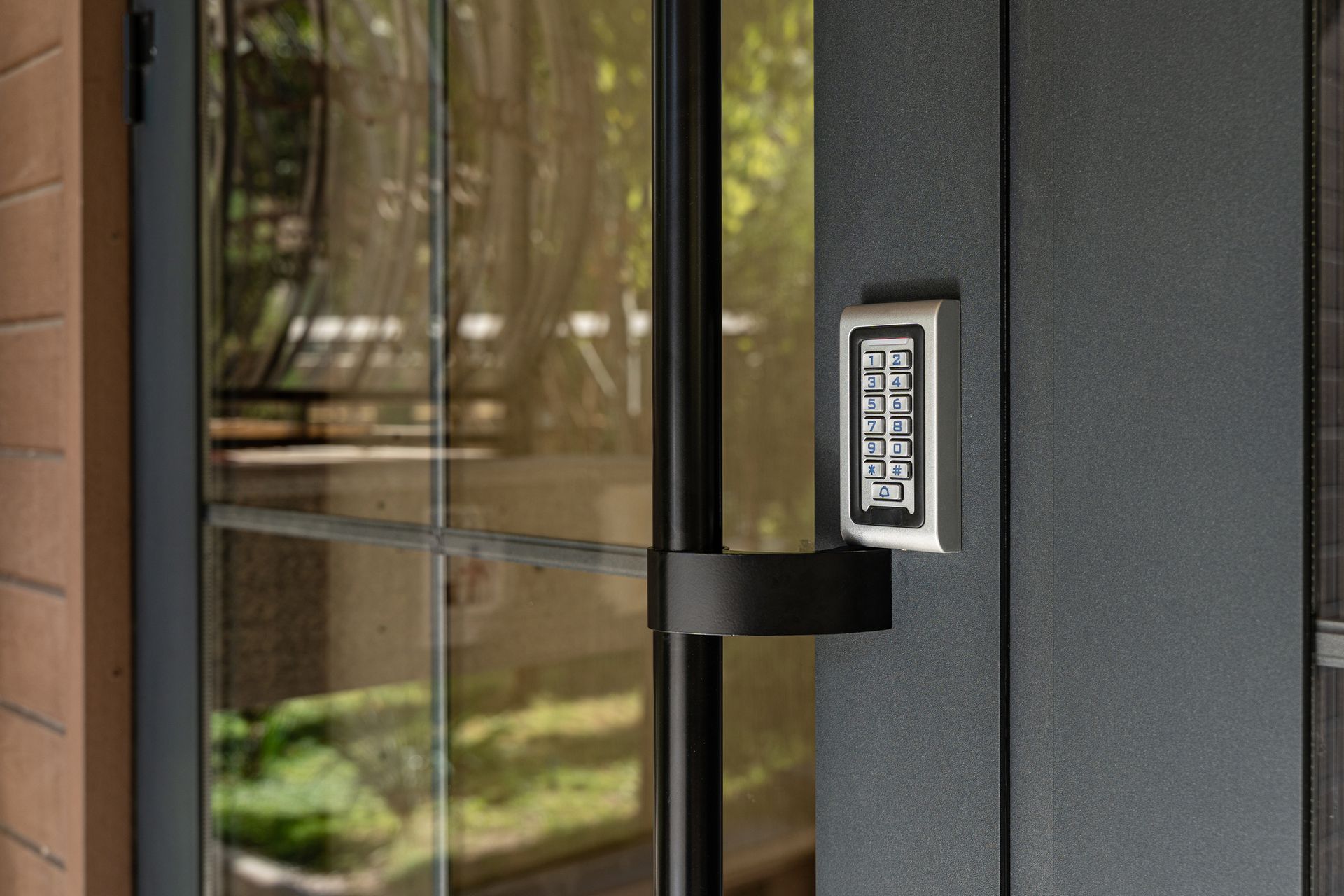
- Dual-Custody Key and Alarm Management: Keycard access and alarm codes are assigned exclusively to designated account supervisors. Access codes are audited regularly, and entry and exit times are logged digitally to match branch surveillance records.
- Zero-Touch Policy for Sensitive Documents: Cleaning crews receive training regarding strict document privacy. Technicians never move or inspect papers left on teller desks or loan officer workstations, clearing only designated waste and recycling containers.
- Monitored Entry and Exit Procedures: Cleaning teams operate under strict perimeter control guidelines. Exterior doors remain locked during after-hours cleaning shifts, preventing unauthorized entry, while interior motion sensors remain active in restricted zones.
Branch managers managing multi-site networks often rely on structured commercial cleaning services to enforce consistent security compliance and vendor oversight across all regional locations.
Zone-by-Zone Bank Branch Cleaning Matrix: Detail Care Procedures
Delivering detail care across a financial branch requires customized cleaning procedures for each functional area. Retail lobbies require pristine visual appeal, teller lines demand high-touch sanitization, and automated teller machine vestibules need continuous upkeep. Applying specific cleaning techniques to distinct branch zones preserves building materials and enhances customer trust.
Retail Lobbies and Customer Service Counter Areas
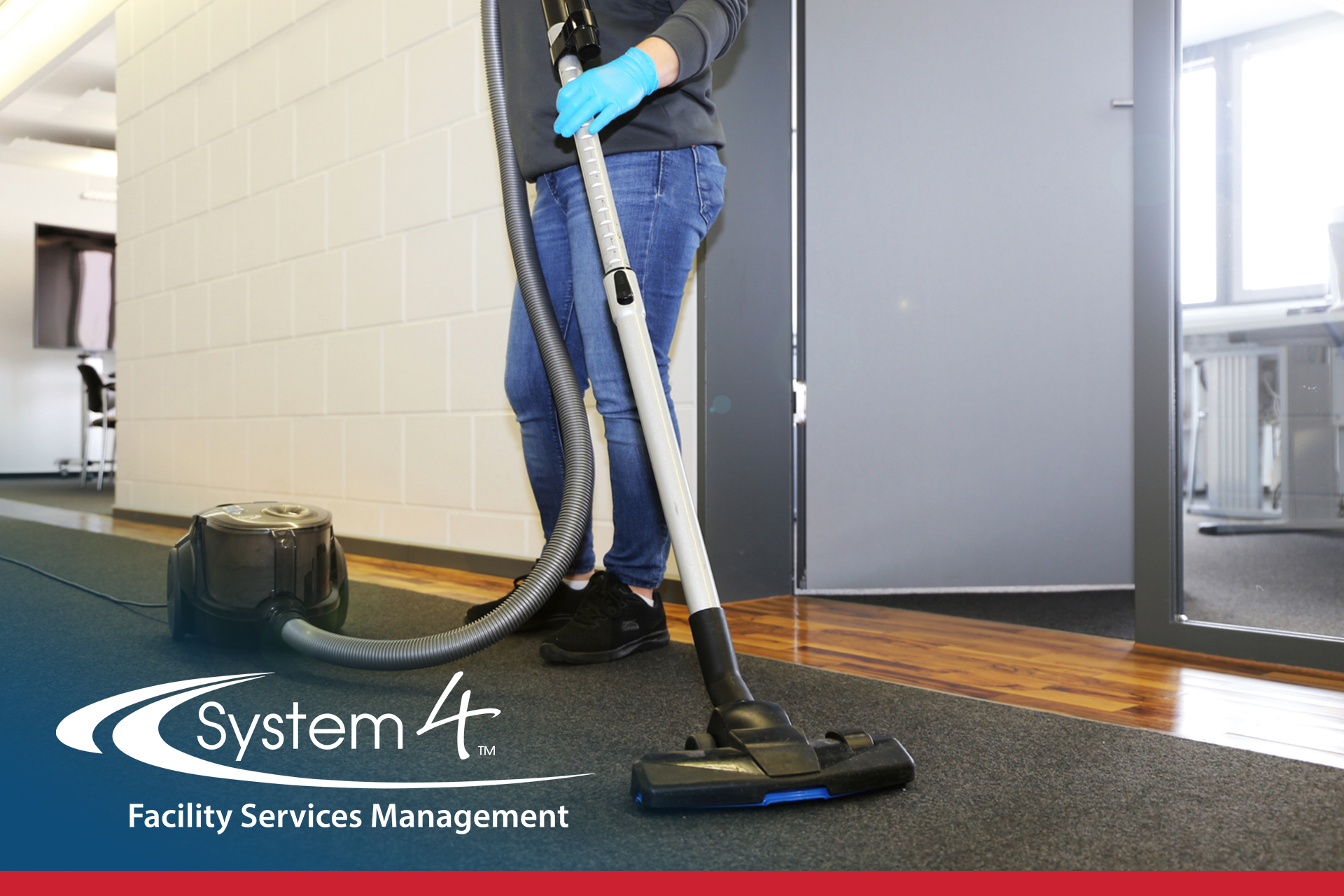
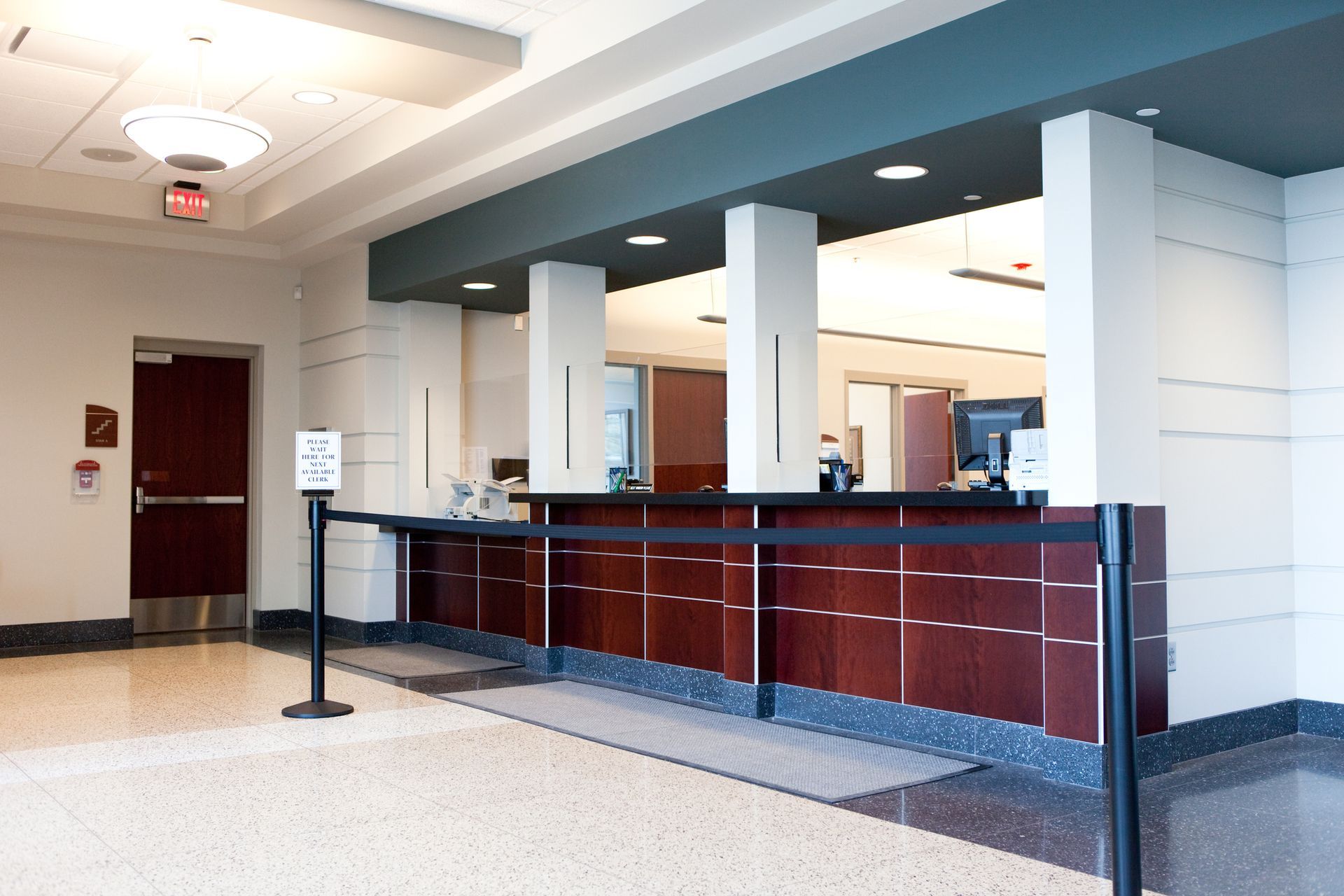
Retail banking lobbies serve as the primary physical touchpoint for banking clients. Daily janitorial care includes vacuuming entrance walk-off mats, mopping hard tile or terrazzo flooring with neutral cleaners, and clearing trash containers. High-touch surfaces, including check-writing desks, pen stands, digital queue kiosks, and door handles, require daily EPA-registered disinfectant wiping.
Weekly maintenance involves detail-dusting picture frames, baseboards, and window ledges. High-traffic floor areas require periodic machine scrubbing to remove tracked-in dirt and restore high-gloss protective finishes.
Teller Counter Lines and Service Partitions
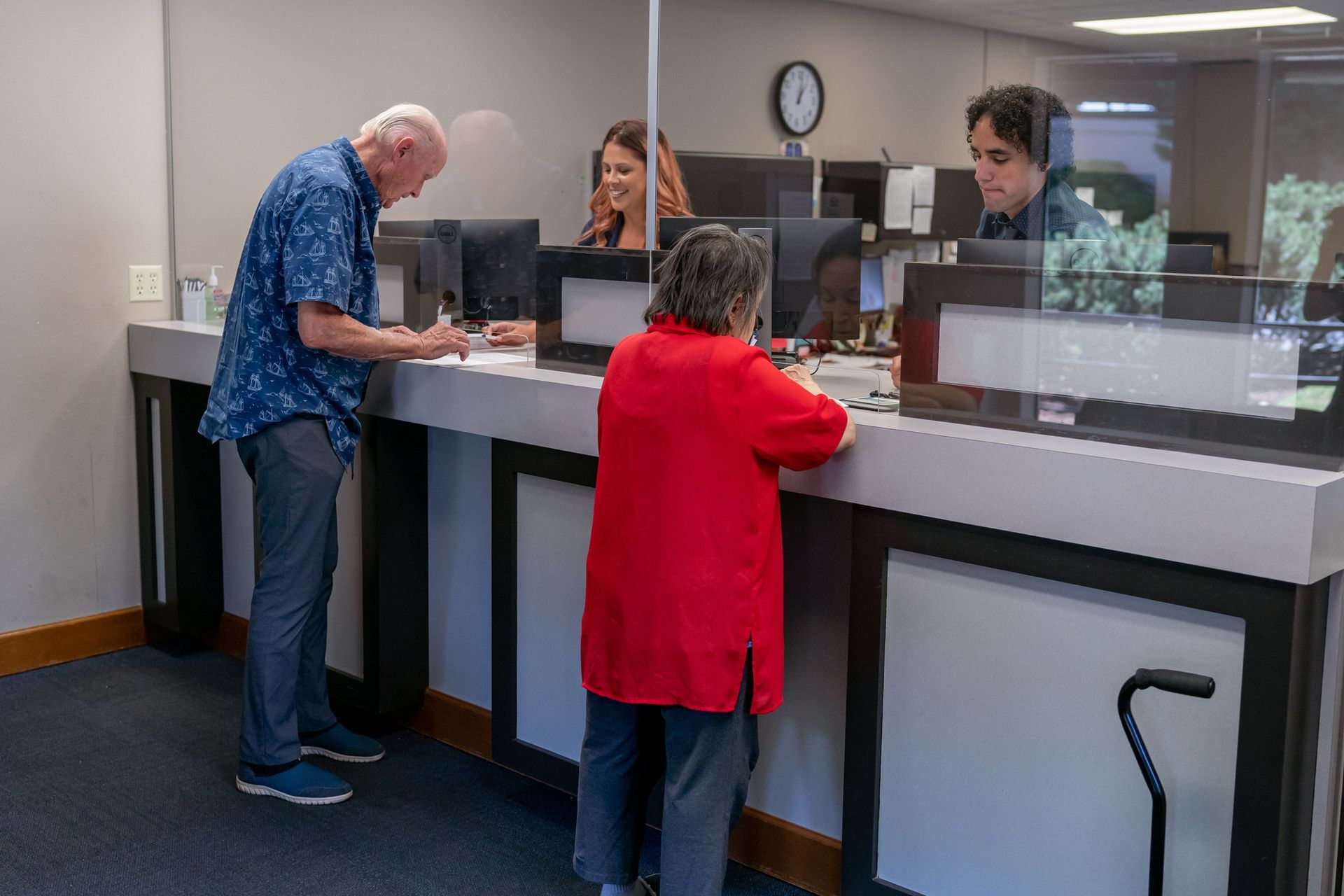
Teller counter lines handle thousands of cash transactions and customer interactions weekly. Janitorial technicians clean transaction counters using non-abrasive disinfectant wipes that kill pathogens without degrading solid surface or laminate materials. Partition glass and acrylic sneeze guards require specialized streak-free glass cleaners and micro-fiber cloths to maintain optical clarity.
Floor areas behind teller counters require daily sweeping and spot mopping. Trash containers located near cash drawers are emptied under monitored protocols, ensuring liners are replaced without disturbing secure under-counter equipment.
Automated Teller Machine Vestibules and Drive-Up Kiosks
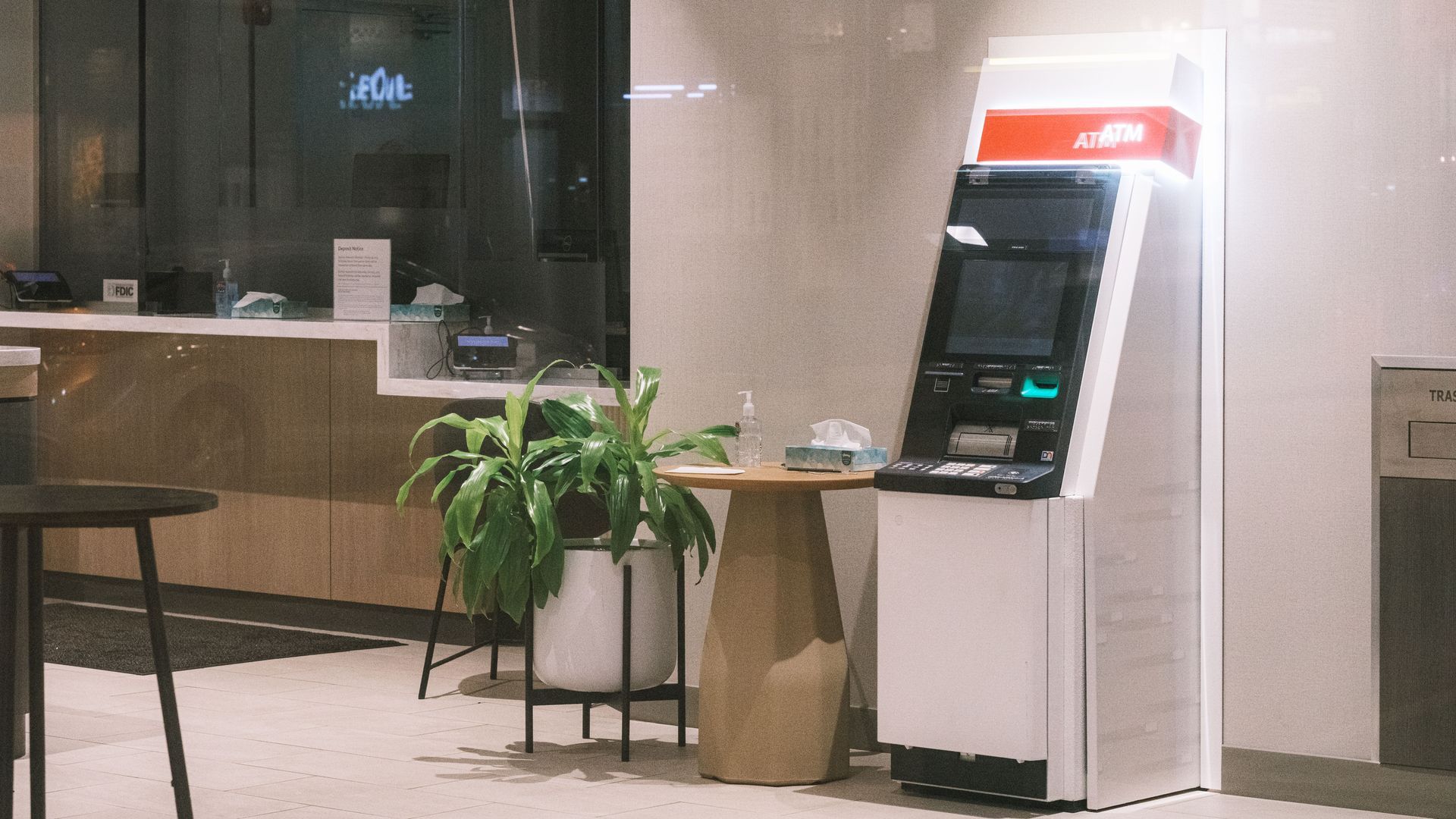
ATM vestibules and drive-up kiosks operate 24 hours a day, accumulating fingerprint smudges, weather grime, and discarded receipts. Daily morning or evening cleaning routines focus on sanitizing ATM keypads, touchscreens, and card reader slots using electronic-safe cleaning agents.
Exterior glass doors, drive-up window glass, and stainless steel housing panels require daily wiping to remove smudges and road film. Sweep exterior drive-up lanes daily to clear fallen leaves, trash, and debris that could impair drive-through sensors or camera lenses.
Ensuring these public-facing areas remain immaculate reinforces customer confidence. Utilizing professional janitorial services guarantees that every branch zone receives specialized care under documented quality checklists.
Regional Operational Factors: Protecting Southern New England Branches
Financial facilities operating across Rhode Island, Connecticut, and Western Massachusetts experience severe seasonal weather conditions that affect interior building maintenance. Winter road salt tracking, spring moisture, and coastal humidity threaten flooring materials and architectural finishes. Adapting cleaning routines to regional climate pressures prevents premature building material wear and maintains high presentation standards.
Commercial bank properties across Southern New England face specific environmental challenges throughout the year:
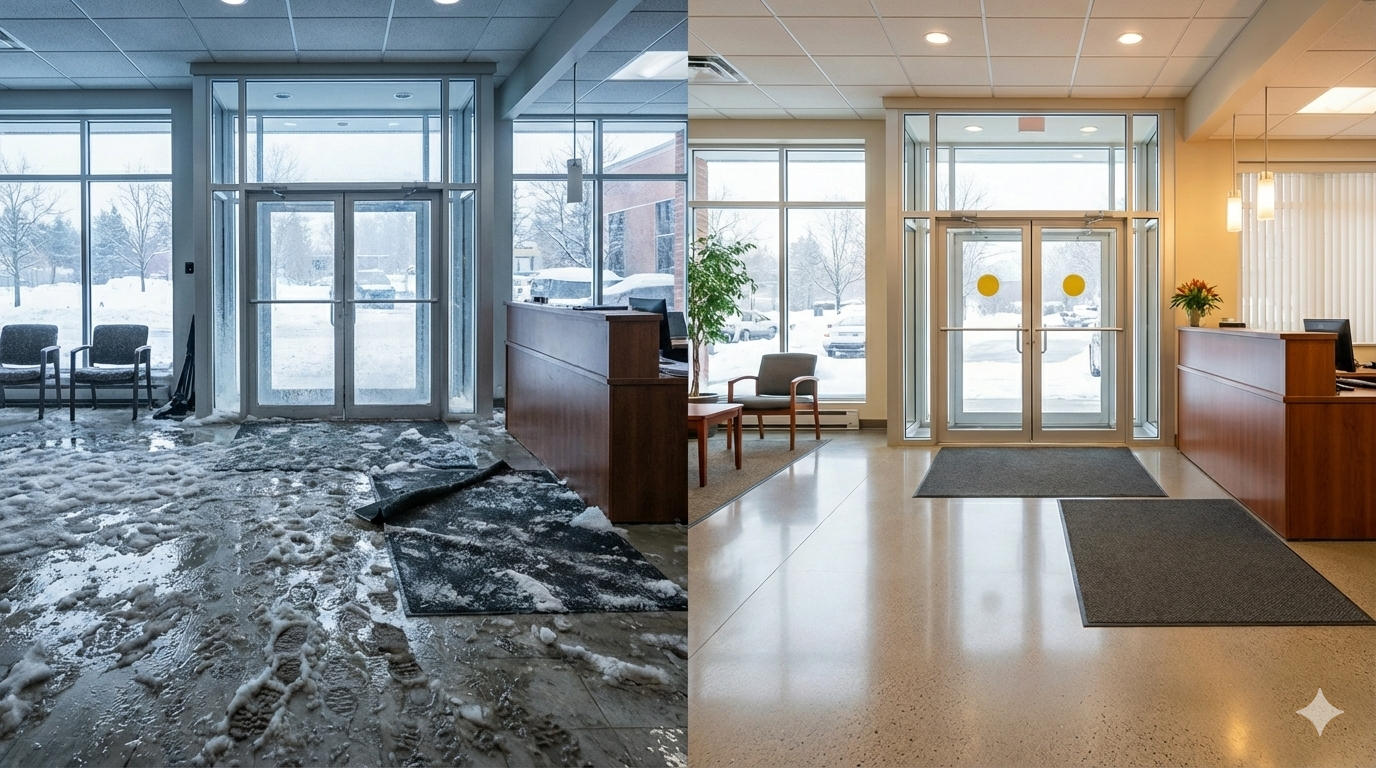
- Winter De-Icing Chemical and Salt Tracking: Rock salt and liquid deicers tracked into retail lobbies chemically etch polished stone and dull floor finishes. Implementing daily floor neutralizer mopping and expanding entryway walk-off matting to 15 feet prevents white salt haze and fiber degradation.
- Spring Mud and Moisture Management: Frequent rainstorms across Springfield and Hartford cause heavy mud tracking onto lobby carpets. Increasing hot-water carpet extraction frequencies during spring months prevents deep-set traffic lane staining.
- Humidity and Coastal Salt Air Effects: Branches near Narragansett Bay and Shoreline Connecticut experience salty air and high summer humidity that cause haze on exterior architectural glass and entryway metal trim. Monthly exterior window washing and metal polishing protect exterior facade elements.
- Historic Architecture and Marble Finishes: Many established New England financial institutions feature historic marble floors, brass fixtures, and ornate woodwork. Cleaning technicians must use pH-neutral, non-abrasive specialty cleaners to prevent permanent etching on heritage materials.
Partnering with a regional provider such as a Rhode Island commercial cleaning company gives branch operations managers access to local crews who understand how regional weather affects bank building maintenance.
How Do You Audit and Audit-Proof Your Branch Janitorial Program?
Financial branch operations managers must maintain audit-ready cleaning records to demonstrate compliance with health, safety, and security guidelines. Establishing verifiable inspection logs, conducting monthly joint walkthroughs, and enforcing clear escalation pathways ensures janitorial programs pass internal risk assessments. Documented cleaning records verify that security protocols and sanitation standards remain active across all branch shifts.
To audit-proof your janitorial program, implement these essential oversight steps:
- Implement Digital Inspection Checklists: Utilize mobile inspection platforms where account supervisors log completed cleaning tasks, upload photos, and record shift entry times. Digital records provide instant verification during internal compliance audits.
- Conduct Monthly Joint Walkthroughs: Schedule recurring facility walkthroughs with your janitorial account manager. Inspecting teller lines, restrooms, and floor conditions together identifies emerging maintenance needs before they generate customer complaints.
- Maintain Up-to-Date Vendor Documentation: Keep current background check certifications, vendor insurance certificates, and Safety Data Sheets accessible in the facility management portal. Having complete compliance documentation on hand simplifies regulatory audits.
Frequently Asked Questions
How do commercial cleaning vendors ensure data privacy in financial facilities?
Commercial cleaning vendors ensure data privacy through strict employee vetting, security training, and zero-touch document policies. Cleaning technicians sign confidentiality agreements before assignment and are trained never to read, move, or discard papers left on desks or counters.
Additionally, janitorial crews only empty designated, unsealed recycling and waste bins. Shredding consoles and secure document bins remain strictly untouched, ensuring confidential customer information remains protected.
What security background checks are required for bank cleaning technicians?
Cleaning technicians assigned to bank branches must pass comprehensive background checks, including national criminal record searches, state felony databases, sex offender registry checks, and federal background screening. Vendors also verify identity documents and perform drug testing.
Background checks are updated annually to maintain compliance with institutional risk management standards.
How often should automated teller machines and walk-up screens be disinfected?
ATM keypads, touchscreens, card reader housings, and deposit slots should be disinfected at least once daily during routine janitorial visits. High-volume urban ATMs or vestibules with constant foot traffic benefit from twice-daily sanitization or daytime porter care.
Technicians use electronic-safe, non-corrosive disinfectant wipes to sanitize touch surfaces without damaging sensitive capacitive glass or digital keypads.
How do cleaning crews handle accidental security alarm trips during after-hours service?
If a cleaning technician accidentally triggers a security motion sensor or door alarm, they immediately notify their supervisor and contact the bank-designated dispatch monitoring center. The supervisor provides verified security credentials, passwords, and employee identification to clear the alarm.
All alarm incidents are logged in an incident report sent to the branch operations manager within 12 hours, detailing the root cause and preventive corrective action.
What floor care methods are best for maintaining high-traffic bank lobby tile?
Maintaining high-traffic bank lobby tile requires daily sweeping, dust mopping, and damp mopping using neutral pH floor cleaning solutions. Daily removal of dry grit prevents surface scratching under heavy shoe traffic.
Periodic machine scrubbing with automatic floor scrubbers removes embedded dirt from grout lines. Applying high-quality slip-resistant floor finish seals tile surfaces and maintains a polished shine.
Conclusion
Establishing rigorous bank branch janitorial cleaning standards protects financial institutions by pairing pristine presentation with verified security protocols. Financial branch operations managers who enforce dual-custody access management, specialized zone care, and climate-adapted floor maintenance safeguard corporate reputation while maintaining full audit compliance. Structured janitorial programs ensure every branch location remains secure, hygienic, and welcoming for banking clients.
To evaluate your financial branch cleaning scope and security protocols, System4 IPS schedules on-site facility walkthroughs across RI, CT, and Western MA, or you can call our team directly at (401) 615-7043.