

Auto Dealership Showroom & Service Bay Cleaning: Floor Polish & Customer Trust
Automotive dealerships rely heavily on pristine physical presentation to establish customer trust, highlight vehicle aesthetics, and close high-value sales. General managers across Rhode Island, Connecticut, and Western Massachusetts must balance high-shine showroom presentation with heavy oil, grease, and tire mark containment in service bays. Implementing rigorous auto dealership commercial cleaning standards protects valuable floor assets, supports workplace safety compliance, and creates an exceptional buying environment for prospective vehicle buyers.
What Are Auto Dealership Commercial Cleaning Standards?
Auto dealership commercial cleaning standards are specialized maintenance protocols that govern floor care, glass clarity, grease remediation, and surface sanitization across retail automotive properties. These standards mandate daily high-gloss floor maintenance in customer showrooms, specialized degreasing in service reception and repair bays, and continuous sanitization in customer lounges and sales offices. Adhering to these standards builds buyer confidence, protects decorative flooring investments, and maintains compliance with Occupational Safety and Health Administration guidelines.
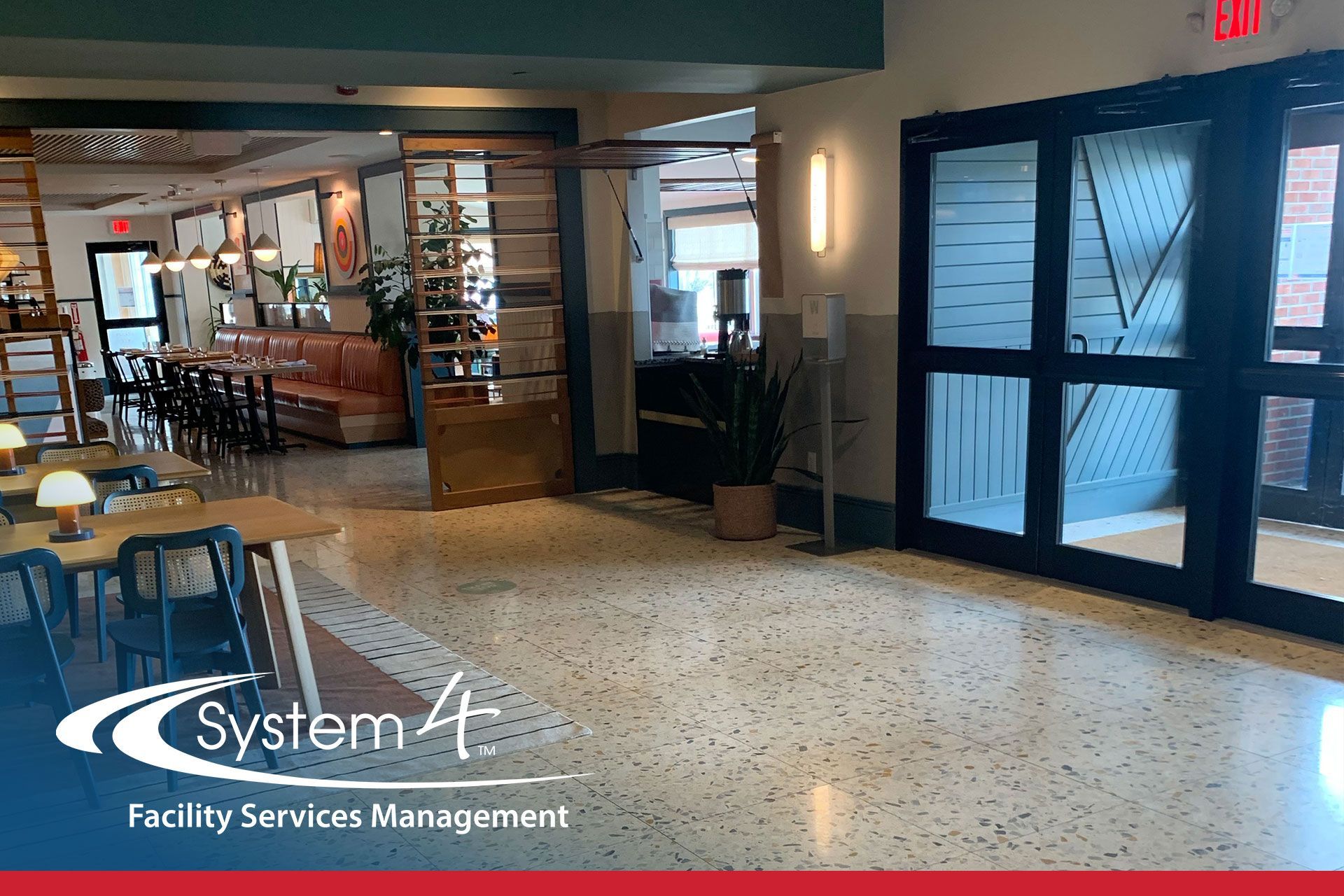
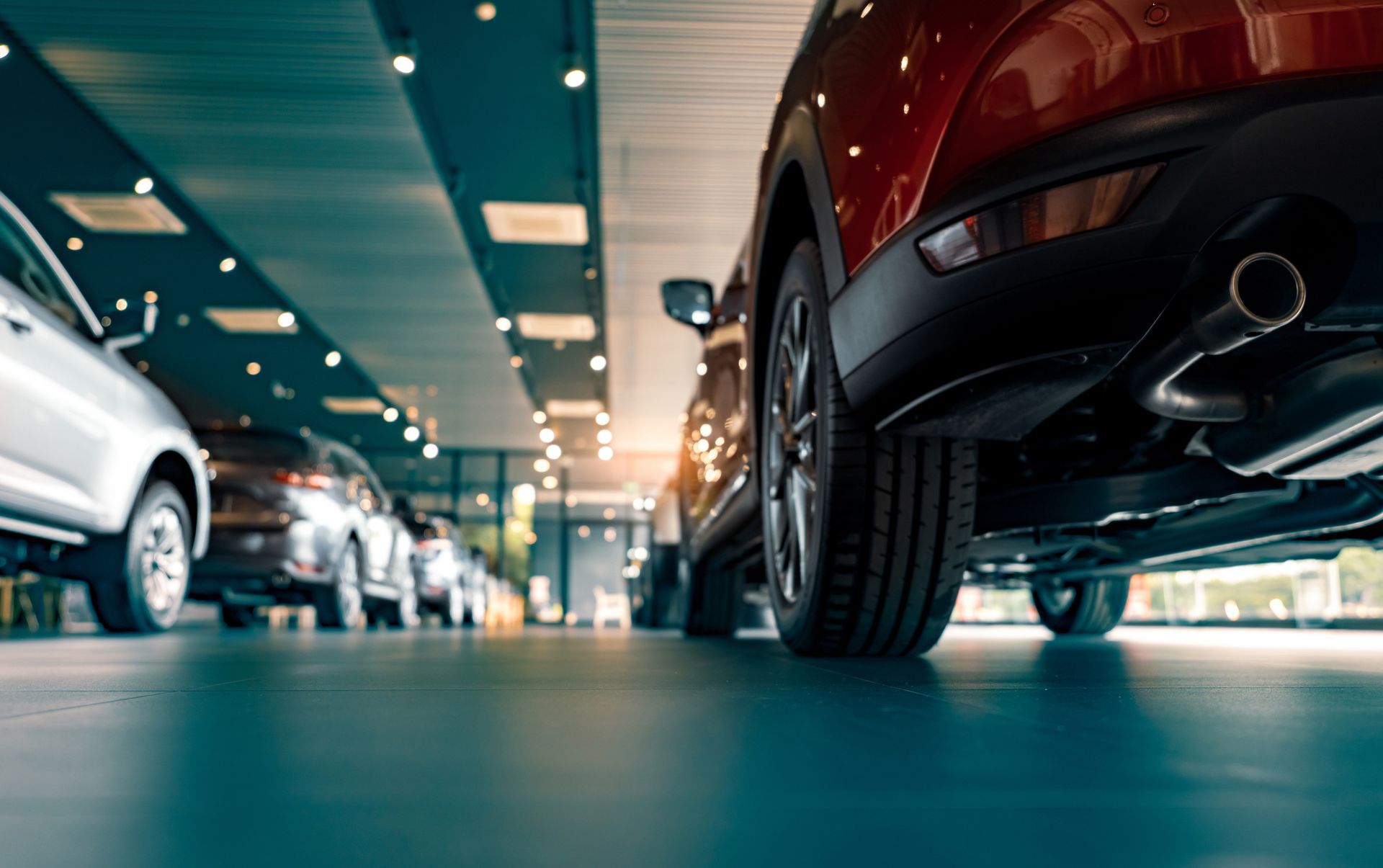
Dealership operations feature distinct operational environments under a single roof. High-end showrooms feature polished porcelain tile, terrazzo, or decorative epoxy designed to showcase mirror-like vehicle reflections. Conversely, active service bays handle heavy vehicle traffic, oil drips, hydraulic fluids, and brake dust accumulation.
Establishing clear cleaning standards ensures that oil and grime from repair zones are contained before being tracked into sales offices or customer waiting lounges. By separating chemical treatments and cleaning equipment between service and sales areas, dealership managers preserve pristine retail environments while keeping service operations safe.
Auto Dealership Cleaning Matrix: Zone Tasks and Surface Care Cadence
Automotive dealerships require distinct cleaning treatments tailored to specific functional zones, surface materials, and soil types. Showrooms require daily dust mopping and high-speed burnishing, service bays demand industrial degreasing and auto-scrubbing, and customer lounges require continuous hygienic maintenance. Aligning cleaning tasks with space utilization ensures maximum visual impact while keeping maintenance budgets structured.
To maintain high presentation and safety standards across all dealership departments, general managers implement zone-specific cleaning schedules:
| Department Zone | Surface Material | Primary Soil / Contaminant | Daily Cleaning Task | Weekly / Periodic Deep Care |
|---|---|---|---|---|
| Showroom Floor | Porcelain tile, terrazzo, polished epoxy | Dust, shoe scuffs, tire rubber deposits | Micro-fiber dust mop, auto-scrub with neutral cleaner | High-speed floor burnishing, joint scrub |
| Sales Offices & Desks | Commercial carpet, glass partitions | Fingerprints, coffee spills, trash | Trash removal, spot vacuum, wipe desk glass | Hot-water carpet extraction, glass polishing |
| Customer Waiting Lounge | Carpet tile, luxury vinyl tile (LVT) | Food debris, beverage spills, germs | Disinfect tables, vacuum carpet, restock coffee bar | Deep tile scrubbing, upholstery extraction |
| Service Reception Drive | Sealed concrete, textured tile | Motor oil drips, water, tire marks | Sweep debris, auto-scrub with neutral degreaser | Heavy-duty degreasing, pressure washing |
| Service Repair Bays | Raw or epoxy-coated concrete | Heavy oil, hydraulic fluid, brake dust | Sweep debris, mop oil spills, scrub main drive lanes | Power scrubbing with industrial degreaser |
Core Surface Care Cadences by Department
- Showroom Floors: Dust-mop daily before opening using non-treated micro-fiber mops. Damp-mop or auto-scrub using neutral pH cleaning solutions that leave no residue or dulling film on high-gloss finishes.
- Customer Lounges and Restrooms: Sanitize high-touch surfaces, coffee stations, and customer restrooms twice daily. A clean waiting lounge directly influences customer satisfaction scores and service retention.
- Service Drives and Reception Lanes: Auto-scrub service drive floors daily using specialized oil-emulsifying degreasers. Removing oil slicks immediately prevents slip-and-fall accidents for arriving customers.
- Service Bay Floor Slabs: Sweep repair bays at the end of every shift and scrub main technician walkways daily with heavy-duty alkaline degreasers to remove embedded grease and brake dust.
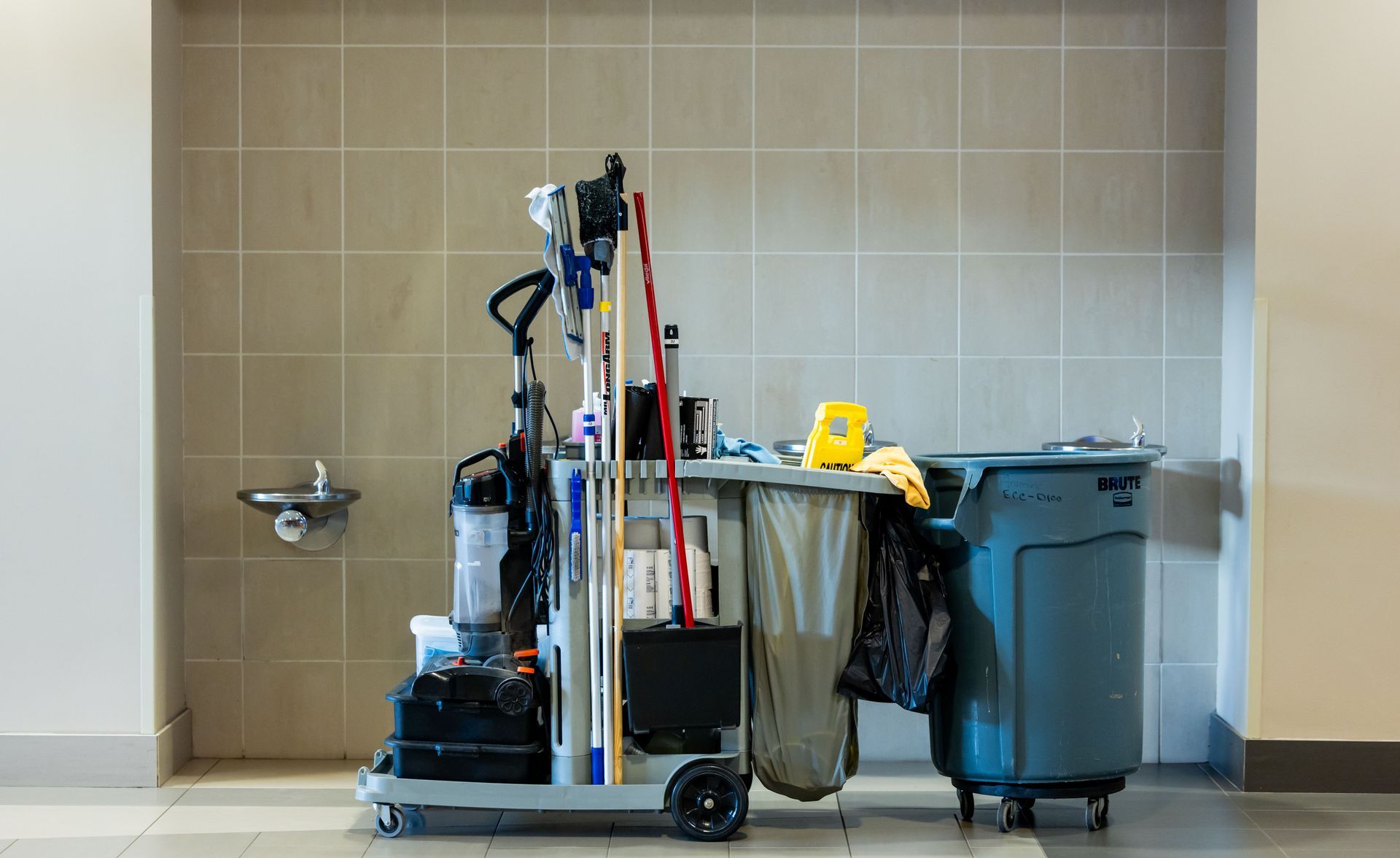
Managing multi-zone automotive properties requires professional floor equipment and trained personnel. Partnering with specialized commercial floor cleaning services ensures showroom floors maintain high gloss while service bays remain safe and compliant.
Essential Components of an Auto Dealership Cleaning Program
A successful dealership maintenance program balances high-shine retail polish with heavy-duty industrial degreasing. Combining specialized chemical selection, mechanical scrubbing, glass maintenance, and zone isolation creates a clean, professional retail environment.
1. High-Gloss Showroom Floor Polish and Maintenance
Showroom flooring represents a major capital investment designed to enhance vehicle sales. Maintaining a mirror-like shine requires disciplined daily care and periodic mechanical restoration.
- Residue-Free Cleaners: Clean showroom tile with neutral pH detergents. Standard multi-purpose cleaners leave soapy films that attract dust and create haze under bright showroom lighting.
- High-Speed Burnishing: Burnish polished tile and epoxy surfaces weekly using ultra-high-speed floor burnishers equipped with natural hair pads to eliminate micro-scratches and restore gloss.
- Tire Mark Removal: Deploy specialized solvent spot cleaners to remove black rubber transfer marks caused by vehicle maneuvering on display floors.
2. Service Bay Industrial Degreasing and Safety Compliance
Service bay floors accumulate synthetic motor oils, transmission fluids, and tire grit that create severe slip hazards if unmanaged. Effective degreasing relies on proper chemical dwell time and mechanical scrubbing action.
- Alkaline Degreaser Application: Apply heavy-duty alkaline degreasers to emulsify petroleum-based oils before mechanical scrubbing.
- Cylindrical Brush Auto-Scrubbing: Operate automatic floor scrubbers equipped with cylindrical grit brushes to sweep solid debris and scrub textured concrete simultaneously.
- Oil-Water Separator Compliance: Ensure all floor scrubbing runoff drains into approved oil-water separators in accordance with environmental regulations.
3. Streak-Free Glass and Perimeter Window Care
Floor-to-ceiling perimeter glass walls showcase inventory to passing street traffic. Daily morning wiping of entrance glass and interior sales office partitions removes fingerprint smudges and maintains clear sightlines across the entire dealership.
Organized dealership leaders combine specialized floor care with evening janitorial services to ensure offices, restrooms, and customer lounges receive thorough daily sanitization.
4. Cross-Contamination Containment
To prevent technicians from tracking service bay grease onto showroom tile or office carpets, install heavy-duty walk-off matting at all transition doorways. Color-code cleaning mops and equipment to isolate service bay grease tools from customer-facing areas.
Regional Operational Factors: Protecting New England Dealerships
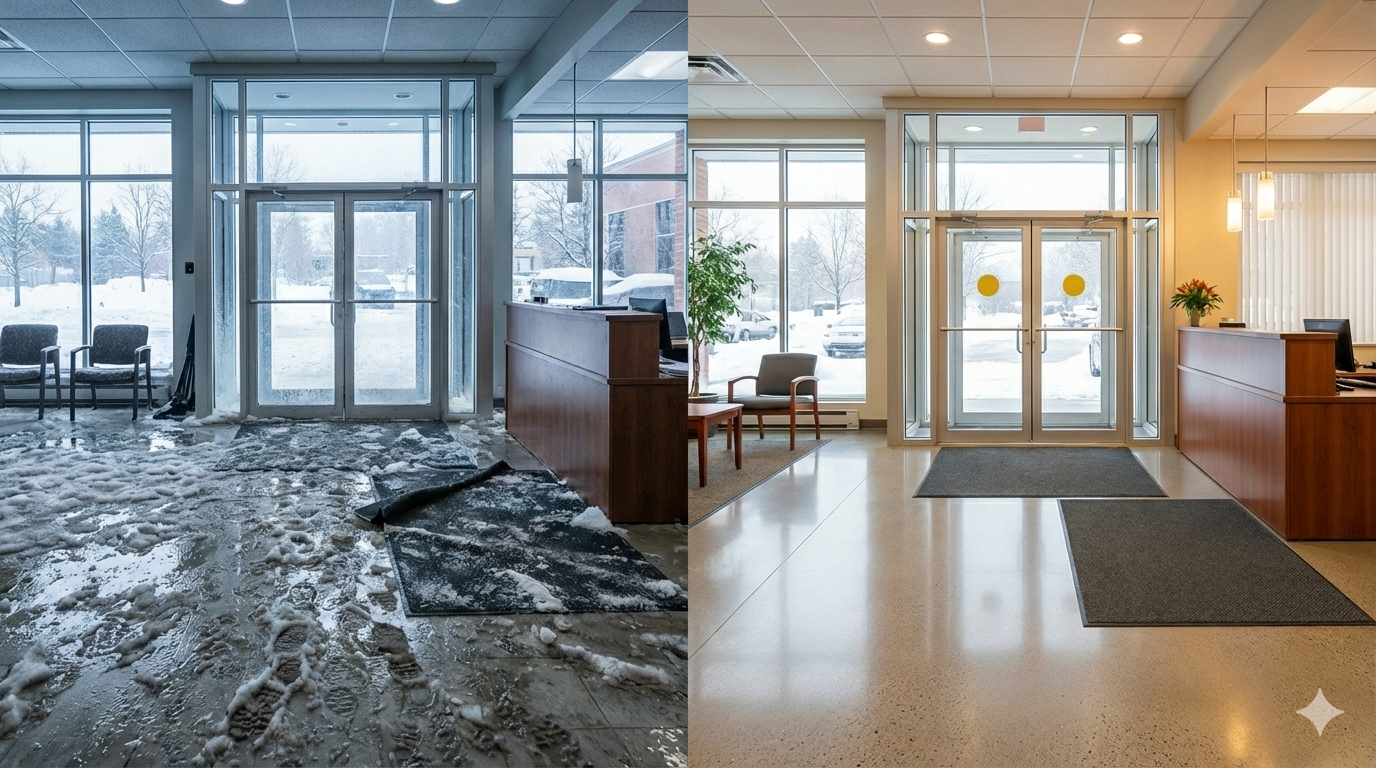
Automotive dealerships across Providence, Hartford, Worcester, and Stamford contend with severe seasonal weather that threatens interior floor finishes. Winter road salt, slush, mud, and summer humidity present ongoing maintenance challenges for dealership managers.
Regional environmental factors impacting New England automotive facilities include:
- Winter Salt and Slush Tracking: Test-drive vehicles and service customers track rock salt, brine, and slush directly into service drives and showrooms. Using specialized floor neutralizers prevents white salt haze from dulling high-gloss showroom tiles.
- Spring Mud and Rain Infiltration: Heavy spring rains create mud accumulation in customer parking lots that is tracked onto sales carpets. Increasing carpet vacuuming and extraction cadences protects carpet fibers.
- Coastal Salt Air and Exterior Glass Haze: Dealerships near Narragansett Bay and Long Island Sound face salty air that creates film on exterior showroom glass. Monthly exterior window cleaning preserves clear inventory visibility.
General managers operating in Rhode Island often collaborate with a trusted Rhode Island commercial cleaning company to ensure winter salt removal and showroom floor polish routines adapt to local weather cycles.
How Do You Audit Your Dealership Cleaning Program for Failure?
General managers evaluate their cleaning program through visual inspections, customer satisfaction survey scores, and safety audit logs. Identifying maintenance defects early allows leadership to correct cleaning scopes before customer perception or vehicle sales are impacted.
- Dull Haze on Showroom Tile: A hazy finish under display lights indicates that mop water is contaminated or incorrect soapy floor cleaners are being applied.
- Slippery Film on Service Drive Floors: An oily sheen in customer vehicle drop-off lanes indicates inadequate degreaser dwell time or worn scrubber squeegee blades.
- Black Footprint Tracking on Sales Carpets: Dark footprints on office carpets signal that transition walk-off mats between service bays and sales areas are saturated or missing.
- Low Customer Service Satisfaction Scores: Customer complaints regarding dirty restrooms or unkept waiting lounges directly depress manufacturer survey ratings and service retention.
Frequently Asked Questions
How often should auto dealership showroom floors be burnished?
Showroom floors should be burnished weekly or bi-weekly using a high-speed floor burnisher equipped with a soft or natural hair pad. Burnishing removes light surface scuffs and restores the mirror-like gloss necessary to highlight display vehicles.
Daily dust mopping and damp mopping with neutral cleaners between burnishing sessions maintains surface clarity and prevents dust accumulation under showroom lights.
What is the best method for removing oil and grease from service bay floors?
The most effective method for cleaning service bay floors involves applying a heavy-duty alkaline degreaser, allowing five to ten minutes of dwell time to break down petroleum bonds, and scrubbing with a cylindrical auto-scrubber.
Following scrubbing with squeegee vacuum recovery leaves concrete dry, oil-free, and safe for technicians and arriving vehicles.
How do walk-off mats prevent cross-contamination between service bays and showrooms?
Walk-off mats positioned at transition doorways capture oil, metal shavings, and rubber dust from technician footwear before personnel step onto showroom tile or office carpeting. Installing six to eight feet of heavy-duty scraper-wiper matting at every service transition door reduces cross-contamination significantly.
Mats should be vacuumed daily and deep-cleaned monthly to maintain trapping efficiency.
Why do standard floor cleaners leave streaks on showroom glass and tile?
Standard floor cleaners often contain high surfactant concentrations or synthetic fragrances that leave soapy residue behind after water evaporates. Under bright showroom lighting, this residue appears as a dull white haze or streaky film.
Applying specialized residue-free neutral cleaners or microfiber damp mopping systems eliminates film buildup and preserves pristine floor reflections.
How does winter road salt affect dealership showroom tile?
Tracked-in rock salt and de-icing chemicals contain sodium chloride and calcium chloride, which scratch protective floor finishes and leave white alkaline stains. As salt slurry dries, foot traffic grinds salt crystals into tile glaze, causing dull traffic lanes.
Mopping entryways daily with a winter floor neutralizer dissolves salt residue completely without stripping protective floor finishes.
Conclusion
Establishing rigorous auto dealership commercial cleaning standards protects valuable physical assets, enhances vehicle presentation, and supports customer trust across every department. Dealership general managers who combine high-gloss showroom polishing, heavy-duty service bay degreasing, and climate-adapted floor care create an exceptional retail environment that drives customer loyalty and sales growth.
For a custom assessment of your dealership's cleaning scope and floor polish program, System4 IPS schedules on-site facility walkthroughs across RI, CT, and Western MA, or you can call our team directly at (401) 615-7043.