

When the Ceiling Leaks: Establishing an Emergency Facility Maintenance Contingency Fund

October 12, 2026

Share this article

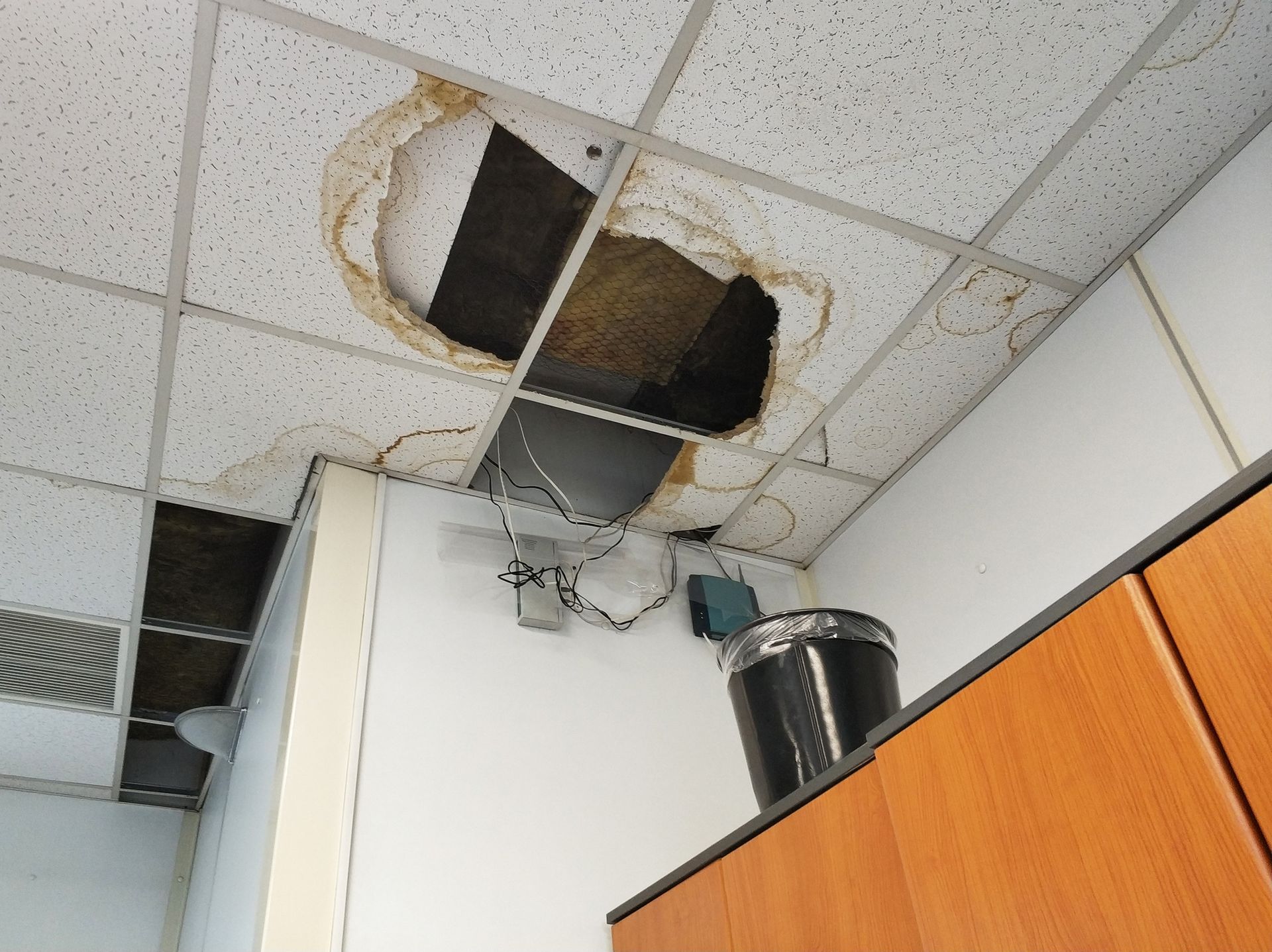
Unexpected building failures, water intrusion, and sudden mechanical breakdowns test commercial property stability and operating budgets. Commercial building owners and real estate asset managers across Rhode Island, Connecticut, and Western Massachusetts must establish clear financial reserves and emergency response protocols to manage unforeseen repairs. Structured facility emergency maintenance planning protects capital assets, preserves tenant retention, and prevents localized physical damage from escalating into catastrophic financial loss.

What Is a Facility Emergency Maintenance Contingency Fund?

A facility emergency maintenance contingency fund is a dedicated capital reserve set aside by commercial property owners to cover urgent, unbudgeted building repairs and emergency vendor deployments. Unlike standard operating budgets or scheduled capital replacement funds, an emergency contingency fund addresses immediate threats to structural integrity, life safety, occupant health, and tenant continuity. Establishing a designated emergency reserve allows property owners to authorize rapid repairs without disrupting daily operating cash flows or delaying vendor deployment.

Emergency maintenance planning requires categorizing property risks into distinct response tiers. Routine maintenance handles predictable wear, such as light bulb replacements or seasonal filter changes. Capital reserves fund long-term asset replacements, including scheduled roof replacements after twenty years of service. Emergency contingency funds address sudden operational crises: pipe bursts, roof leaks during winter thaw, main drain backups, or HVAC compressor failures during extreme heat waves.

Without a dedicated emergency fund and pre-negotiated vendor agreements, property owners face delayed response times, premium off-hours emergency labor rates, and escalating property damage. Proactive planning ensures capital is immediately accessible when building systems fail.

Emergency Maintenance Planning Matrix: Budget Allocation and Response Tiers

Commercial building owners must allocate contingency funds based on property age, square footage, building usage, and system complexity. A general industry benchmark allocates one to three percent of total property asset value, or ten to fifteen percent of annual operating expenses, toward emergency reserves. Establishing clear trigger thresholds ensures capital is deployed efficiently during emergency events.

To structure emergency capital reserves effectively, property owners evaluate response tiers based on urgency and operational impact:

Emergency Tier Failure Type Examples Target Response Time Financial Reserve Allocation
Tier 1: Critical Emergency Life safety, active water intrusion, total power / heat loss Main pipe burst, roof membrane tear, boiler shutdown in winter Under 2 Hours 40% of Emergency Reserve
Tier 2: Urgent Operational Partial system failure, localized health risk Restroom drain backup, rooftop AC failure in summer, broken entry glass 2 to 6 Hours 35% of Emergency Reserve
Tier 3: Containable Risk Non-critical damage, localized cosmetic failure Isolated ceiling tile leak, single-zone pump noise, exterior door latch failure 12 to 24 Hours 25% of Emergency Reserve
Terrazzo & Natural Stone Porous salt absorption, spalling pH-neutral damp mopping, mat clearing Machine scrubbing with soft pad Penetrating sealer maintenance
Rubber Flooring & Gym Tile Chemical discoloration, slippery film Neutral detergent washing Machine scrubbing with soft brush Deep surface degreasing

Key Allocation Strategies by Property Type

  • Multi-Tenant Office Buildings: Allocate higher emergency reserves toward HVAC, elevator, and plumbing systems. Shared tenant spaces require immediate response to prevent lease abatement claims or tenant disputes.
  • Industrial and Warehouse Facilities: Focus contingency funds on roof membrane integrity, loading dock door mechanisms, and heavy floor slab repairs. Water intrusion in logistics centers threatens stored inventory and specialized material handling equipment.
  • Retail Strip Centers and Standalone Commercial Sites: Prioritize emergency reserves for exterior glass, roof scuppers, and common area plumbing. Public-facing properties face immediate slip-and-fall liability when leaks occur in retail corridors.

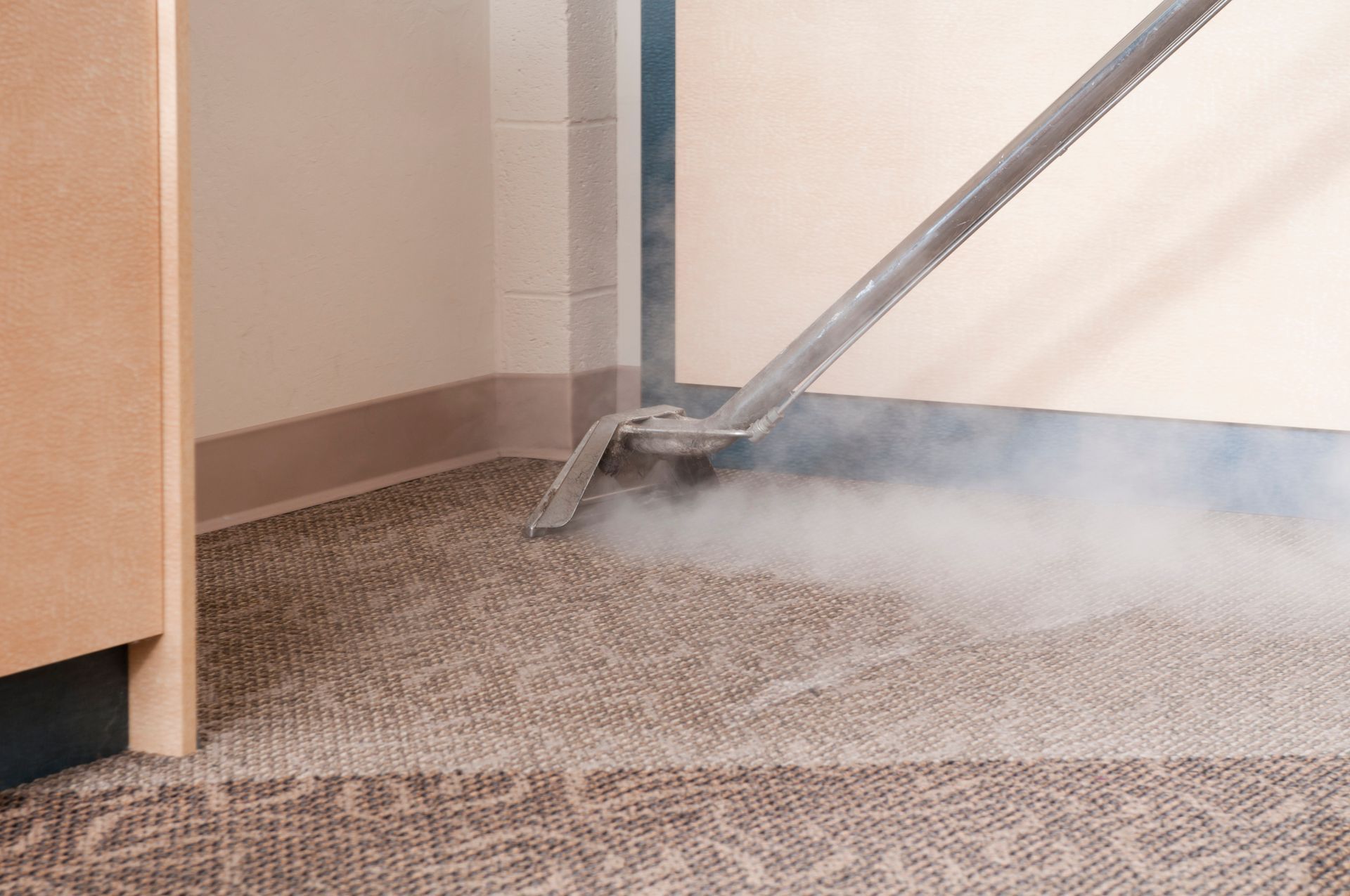
Managing these unexpected property events requires pre-established service partnerships. Utilizing professional commercial cleaning services ensures rapid deployment for post-incident water extraction, floor drying, and sanitization.

Essential Steps to Establish an Emergency Maintenance Protocol

Creating a resilient emergency response framework extends beyond setting money aside in a bank account. Property owners must build an operational protocol that links financial reserves with pre-vetted service contractors, clear authorization limits, and tenant communication channels.

1. Conduct a Comprehensive Facility Risk Audit

Begin by auditing the physical condition of all primary building systems. Identify aging infrastructure near the end of its useful lifespan, including boilers over fifteen years old, single-ply roof membranes past warranty, and aging main plumbing stacks. Documenting existing vulnerabilities establishes baseline capital requirements for the contingency fund.

2. Establish Pre-Approved Vendor Service Level Agreements

When a pipe bursts at midnight, searching for available contractors leads to high emergency call-out fees and uncertain response times. Establish pre-approved service level agreements (SLAs) with licensed plumbers, electricians, roofing contractors, and commercial restoration teams. Pre-negotiate labor rates, response time guarantees, and emergency access protocols before incidents occur.

Organized property managers partner with managed janitorial services to handle immediate cleanup, water extraction, and floor neutralization following mechanical leaks.

3. Define Capital Authorization Thresholds

Streamline decision-making during crises by establishing clear spending authority. For example, authorize building engineers to approve emergency repairs up to five thousand dollars immediately, while repairs exceeding twenty thousand dollars require owner sign-off within two hours. Removing administrative bottlenecks accelerates physical containment.

4. Create an Emergency Tenant Communication Plan

Clear communication reduces tenant panic and lease friction during building emergencies. Establish automated notification channels to inform commercial tenants of system outages, estimated repair timelines, and alternative building access points during active repair work.

Regional Operational Factors: Southern New England Building Risks

Commercial properties in Rhode Island, Connecticut, and Western Massachusetts face distinct environmental hazards that trigger emergency maintenance expenditures. Severe winter weather, rapid freeze-thaw cycles, coastal storms, and aging regional building stock demand specialized contingency planning.

Regional factors that frequently trigger emergency repairs across Southern New England include:

  • Ice Damming and Winter Roof Loads (December through March): Snow accumulation followed by freezing rain creates ice dams along roof edges and scuppers. Trapped meltwater backs up under roofing membranes, causing sudden ceiling leaks in top-floor tenant suites.
  • Freeze-Thaw Plumbing Burst Risks: Rapid temperature drops in unheated utility closets, loading docks, or vacant suite perimeters freeze exposed pipes. When frozen lines thaw, high water pressure causes sudden pipe ruptures.
  • Coastal Storm Surges and Flash Flooding: Properties along Narragansett Bay and Shoreline Connecticut face coastal moisture and heavy rain events that overpower municipal storm drains, causing basement and ground-floor water intrusion.
  • Historic Mill Conversions and Aging Infrastructure: Commercial hubs across Providence, Hartford, and Springfield feature historic mill conversions. Exposed brick, aging timber framing, and legacy plumbing stacks require larger emergency reserves than modern ground-up construction.

Building owners operating in Connecticut often collaborate with a local Connecticut commercial cleaning company to secure reliable emergency water extraction and building cleanup coverage during severe regional weather events.

How Do You Audit Your Emergency Maintenance Readiness?

Property owners evaluate their emergency maintenance preparedness through periodic stress tests, vendor SLA reviews, and post-incident cost audits. Identifying gaps in response protocols before a major failure occurs prevents costly downtime and property loss.

  • Unclear Emergency Authorization Chains: If building engineers cannot authorize emergency water extraction without waiting hours for owner approval, water damage spreads, increasing structural repair costs exponentially.
  • Lack of Pre-Negotiated Emergency Vendor Rates: Paying variable off-hours premium surcharges for emergency plumbing or roofing work indicates a lack of pre-negotiated vendor agreements.
  • Repeated Unbudgeted Operating Expense Transfers: Shifting funds continuously from routine maintenance budgets to cover urgent repairs signals that the emergency contingency fund is underfunded.
  • Missing Post-Incident Restoration Coverage: Resolving a mechanical pipe leak without professional drying and sanitization leads to hidden mold growth, secondary floor warping, and tenant indoor air quality complaints.

Frequently Asked Questions

  • How much money should a commercial building owner keep in an emergency maintenance contingency fund?

    Commercial building owners should maintain an emergency contingency reserve equal to one to three percent of the total building asset value, or ten to fifteen percent of the annual building operating budget. Properties with aging mechanical systems or historic architectural elements should lean toward the higher end of this range.


    Maintaining this reserve ensures sufficient liquidity to address sudden critical failures, such as boiler replacements or major roof leaks, without interrupting regular operating cash flow.

  • What is the difference between an emergency contingency fund and a capital reserve fund?

    An emergency contingency fund addresses sudden, unexpected physical failures that pose immediate risks to building operations, structural integrity, or tenant safety. Examples include main water line bursts, storm-damaged roofs, or sudden heating failure during winter.


    A capital reserve fund covers planned, long-term asset replacements scheduled over multi-year horizons, such as repaving a parking lot after fifteen years or replacing a roof at the end of its manufacturer warranty.

  • How quickly should an emergency maintenance vendor respond to a critical building failure?

    Critical Tier 1 emergencies, such as active water intrusion, gas leaks, or total heating failure during freezing weather, require a vendor response time of under two hours. Pre-negotiated service level agreements with restoration and mechanical contractors should specify guaranteed response windows for off-hours emergencies.


    Non-critical urgent issues, such as isolated drain backups or localized AC failures, typically carry target response windows of two to six hours.


  • Can emergency contingency funds be used for tenant improvements or cosmetic upgrades?

    No, emergency contingency funds should be strictly reserved for unbudgeted, urgent physical repairs and risk mitigation. Utilizing emergency reserves for elective tenant improvements, aesthetic painting, or routine cosmetic upgrades drains capital needed when genuine structural or mechanical crises occur.


    Elective property enhancements should be funded separately through tenant improvement allowances or capital improvement budgets.

  • Why is professional water extraction necessary immediately after a commercial pipe burst?

    Immediate professional water extraction removes standing water before it penetrates subflooring, wall cavity insulation, and structural drywall. Water left unaddressed for more than twenty-four to forty-eight hours creates high humidity that promotes mold growth, warps commercial flooring, and destroys electrical wiring.


    Rapid extraction and industrial dehumidification contain repair costs and allow commercial tenants to resume normal operations quickly.

Conclusion

Establishing a dedicated contingency fund and structured facility emergency maintenance planning safeguards commercial real estate investments from unexpected physical and financial disruption. Property owners who combine capital reserves with pre-vetted vendor partnerships, clear decision thresholds, and regional weather risk strategies protect building value and maintain strong tenant relationships.

For a custom assessment of your facility's emergency response readiness and post-incident cleaning protocols, System4 IPS schedules on-site facility walkthroughs across RI, CT, and Western MA, or you can call our team directly at (401) 615-7043.

Recent Posts

Autumn city skyline reflected in a calm river beside a riverside walkway and railing
September 27, 2026
Prepare New England commercial buildings for cold weather with this 15-point fall facility maintenance checklist. Schedule a walkthrough today.
Janitorial cart with mop, cleaning supplies, yellow bags, and trash can in a hallway
September 24, 2026
Compare day porter vs night cleaning services for commercial offices. Evaluate costs, security, and facility needs. Schedule a walkthrough today.
Bright art classroom with students working at tables and colorful wall shelves of supplies
September 22, 2026
Consolidate your vendors across RI, CT, and MA. Learn how multi-location commercial cleaning management simplifies your portfolio operations. Call us today.
Hotel lobby with glass entrance doors, seating area, and “System4 Facility Services Management” sign
September 18, 2026
Determine the ideal janitorial schedule for your commercial facility by space and industry. Schedule an on-site facility walkthrough today.
Janitor vacuuming a hallway with a canister vacuum and floor attachment
September 15, 2026
Compare the total financial and operational impact of in-house vs outsourced janitorial services. Use our cost comparison worksheet to evaluate your facility.
Yellow
September 8, 2026
Stop chasing recurring janitorial issues. Identify the root causes of service failures and build a closed-loop resolution model for your property today.
Office hallway with two elevators and cleaning equipment cart beside them
September 3, 2026
Track vendor performance and eliminate cleaning defects with a janitorial quality control scorecard. Download actionable KPIs to audit your facility today.

Gloved hand wiping a metal door handle with blue cloth; text reads, “Your Facility Has Germ Hotspots. Do You Know Where?”
March 16, 2026
Discover 6 hidden germ hotspots in your facility and how often they should be cleaned to reduce absenteeism, complaints, and tenant churn.
Office split-screen: man reviewing papers beside “Commercial Cleaning Comparison” ad and a handshake with checklist.
January 5, 2026
Split-screen visual: Franchise chaos vs. System4IPS managed clarity. A single dedicated contact for New England commercial cleaning.
Snowy office lobby with glass doors, reception desks, and bright windows
December 17, 2025
Winter in New England is brutal on offices. From salt-eating floors to the flu season frenzy, her is the System4IPS guide to surviving the freeze without losing your mind.

Show More