


Winter Salt and Slush Floor-Care Plan for Southern New England Facilities

October 15, 2026

Share this article

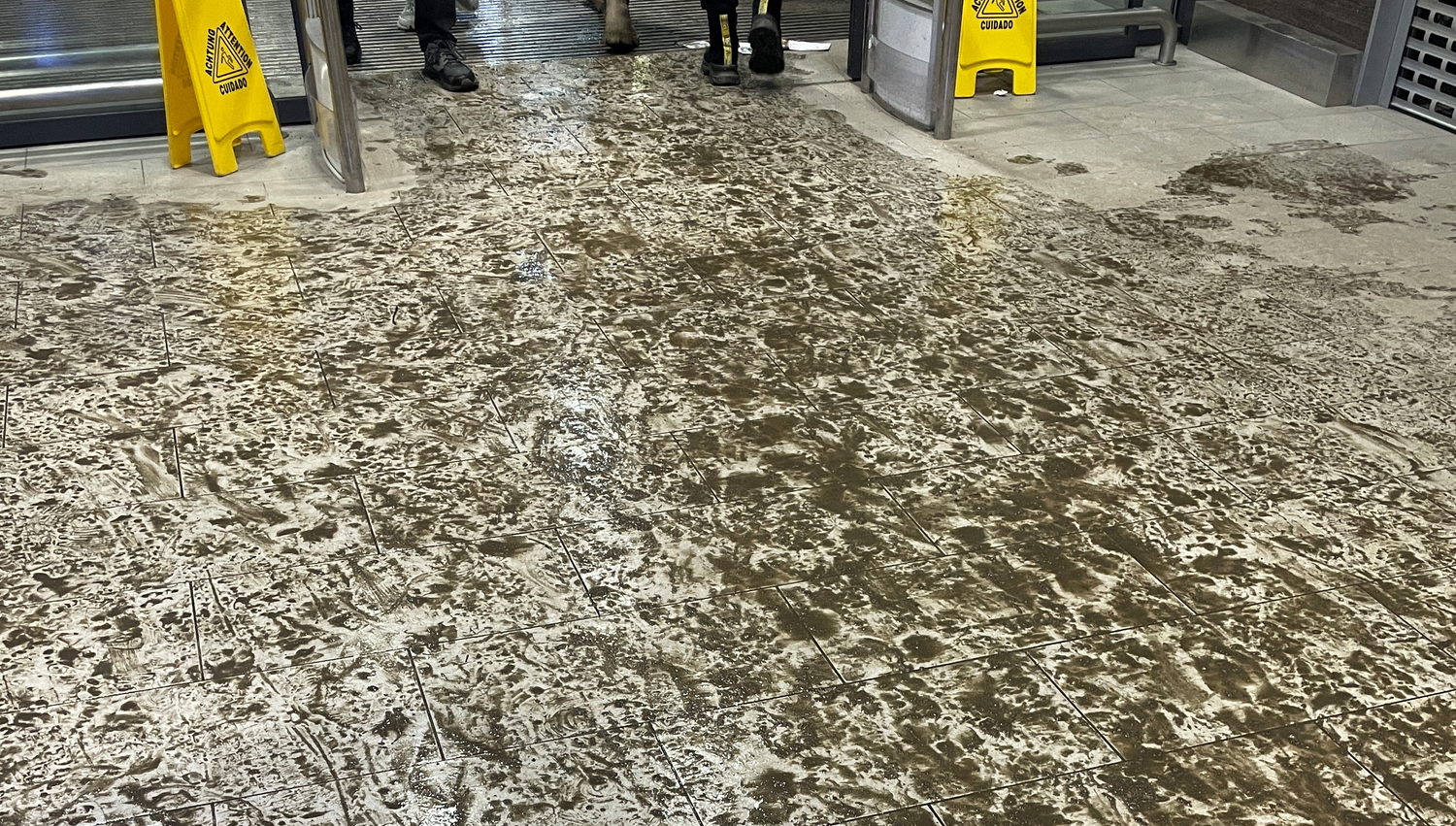
Winter conditions across Southern New England bring harsh de-icing chemicals, abrasive rock salt, and constant slush tracking into commercial properties. Property and building managers across Rhode Island, Connecticut, and Western Massachusetts must protect interior hard floors and carpets from chemical erosion and physical wear. Implementing a dedicated strategy for winter floor care commercial buildings depend on safeguards flooring investments, maintains professional building presentation, and reduces slip-and-fall liabilities throughout freezing weather cycles.

What Is a Winter Salt and Slush Floor-Care Plan?

A winter salt and slush floor-care plan is a specialized facility maintenance strategy designed to counter the aggressive soil and chemical loads brought indoors during freezing weather. Unlike standard year-round cleaning routines, a winter floor plan incorporates expanded entryway walk-off matting, daily chemical neutralizer mopping, increased carpet hot-water extraction, and rapid moisture removal protocols. Establishing a structured winter routine protects floor finishes, preserves indoor air quality, and prevents permanent structural damage to subfloors and carpet fibers.

Managing commercial floor care during winter requires understanding how de-icing agents interact with surface materials. Rock salt (sodium chloride) leaves dry white crystals that act like sandpaper under foot traffic, grinding away protective floor finish. Calcium chloride and magnesium chloride melt ice at lower temperatures but leave an oily, hygroscopic residue that attracts dirt and creates slick floor surfaces.

A proactive plan addresses these contaminants before they spread from entrance vestibules into tenant suites, elevator cabs, and main hallways. By combining physical matting barriers with specialized neutralizer chemistry, facility managers maintain high visual standards without increasing long-term restoration costs.

Winter Floor Care Matrix: Surface Treatments and Cadence by Material

Commercial facilities feature varied flooring materials, each reacting differently to winter moisture and de-icing chemicals. Vinyl composition tile (VCT) requires finish protection against chemical softening, polished concrete demands neutral pH balancing, and commercial carpet requires aggressive salt extraction. Matching floor care tasks to specific flooring materials prevents material degradation and extends asset lifespan.

To maintain interior floor integrity through Southern New England winters, facility managers implement material-specific treatment schedules:

Flooring Material Primary Winter Hazard Daily Protection Task Weekly Maintenance Monthly / Seasonal Restoration
Vinyl Composition Tile (VCT) Chemical finish breakdown, salt scratching Neutralizer mopping, high-traffic sweeping High-speed spray buffing Top-coat finish reapplication
Commercial Carpet & Tiles Salt crystallization, fiber cutting HEPA vacuuming, entry spot extraction Traffic lane spot cleaning Deep hot-water extraction
Polished Concrete Acidic etching, dulling film Micro-fiber dust mopping, neutral washing Auto-scrubber washing with pad Protective sealer reapplication
Terrazzo & Natural Stone Porous salt absorption, spalling pH-neutral damp mopping, mat clearing Machine scrubbing with soft pad Penetrating sealer maintenance
Rubber Flooring & Gym Tile Chemical discoloration, slippery film Neutral detergent washing Machine scrubbing with soft brush Deep surface degreasing

Core Protection Cadences by Surface Type

  • Hard Surface VCT and Luxury Vinyl Tile (LVT): Mop entryways and main corridors daily using a specialized winter floor neutralizer. Standard neutral cleaners fail to dissolve white salt haze, leaving an unsightly film that damages protective wax layers.
  • Commercial Carpeting and Walk-Off Mats: Vacuum walk-off matting and lobby carpets daily using high-efficiency particulate air (HEPA) equipment. Salt crystals that dry inside carpet piles act as micro-blades, cutting carpet fibers under foot pressure.
  • Terrazzo and Polished Stone Foyers: Wipe moisture immediately and mop with pH-balanced neutral cleaners. Calcium chloride residue absorbs moisture from the air, creating persistent damp spots that dull natural stone gloss.
  • Elevator Cabs and Thresholds: Clean stainless steel door tracks daily to prevent salt grit from binding elevator door mechanisms. Damp-mop cab flooring twice daily during active snowstorms.

Executing these specialized floor care routines requires trained personnel and commercial-grade floor equipment. Partnering with professional commercial floor cleaning services ensures that facility floors receive proper chemical neutralization and mechanical maintenance throughout the winter season.

Key Components of a Southern New England Winter Floor-Care Plan

A comprehensive winter floor defense plan relies on four interconnected operational pillars: entryway matting defense, daily chemical neutralization, rapid moisture control, and periodic deep restoration. Integrating these four components creates an effective defense against winter weather hazards.

1. Entrance Matting Systems (The First Line of Defense)

Installing adequate walk-off matting is the single most cost-effective measure for winter floor protection. Facilities should deploy a minimum of 12 to 15 continuous feet of entrance matting at all primary building entryways.

  • Zone 1 (Outdoor Scraper Mats): Placed outside exterior doors to remove heavy slush, snow, and large salt rocks.
  • Zone 2 (Indoor Scraper/Wiper Mats): Positioned inside vestibules to scrape fine grit and absorb bulk water.
  • Zone 3 (Indoor Wiper Mats): Extended into main lobbies to dry shoe soles before feet touch primary flooring.

2. Daily Salt Neutralization and Mopping Protocols

Standard neutral cleaners are formulated for organic soil and cannot break the ionic bonds of de-icing salts. Utilizing a specialized winter floor neutralizer lowers solution pH to dissolve white salt residue completely.

  • Dilution Accuracy: Mix neutralizer chemicals precisely according to manufacturer specifications to avoid leaving chemical residues.
  • Dual-Bucket Mopping: Use dual-compartment mop buckets to isolate clean neutralizer solution from dirty rinse water.
  • Frequent Mop Head Replacement: Swap micro-fiber mop heads frequently during shift routines to prevent re-depositing salt slurry onto clean floors.

3. Daytime Porter Coverage for Rapid Moisture Response

Active snowfall creates continuous water accumulation in entryways and elevator lobbies. Deploying a daytime porter ensures that puddles are mopped immediately, wet-floor caution signs are posted, and walk-off mats are vacuumed with wet-dry extractors throughout business hours.

Organized property managers combine daytime porter support with evening janitorial services to maintain continuous building safety and floor cleanliness.

4. Scheduled Restoration and Post-Winter Deep Cleaning

Even with rigorous daily care, winter soils penetrate hard finishes and carpet backings over time. Scheduling mid-winter auto-scrubbing and spring carpet hot-water extraction removes deeply embedded contaminants, restoring floor appearance before warm weather arrives.

Regional Operational Factors: Managing New England Winter Conditions

Commercial facilities operating in Providence, Hartford, Worcester, and Stamford experience weather conditions that test floor maintenance budgets. Rapid temperature swings, heavy snowfall, and varying municipal de-icing formulas require flexible floor care strategies.

Regional environmental factors impacting floor maintenance include:

  • Frequent Freeze-Thaw Cycles: Southern New England experiences frequent winter temperature fluctuations around the 32-degree mark. Melting snow refreezes overnight, prompting heavy salt applications on walkways that pedestrians track indoors daily.
  • Corrosive De-Icing Blends: Municipalities and snow removal vendors across Rhode Island and Connecticut utilize aggressive chemical ice melts, including magnesium chloride and liquid brine. These compounds leave slippery, oily films that require specialized degreasing neutralizers.
  • Historic Mill Properties and Hardwood Conversions: Converted mill buildings across Providence and Western Massachusetts feature original hardwood or polished concrete floors. Unprotected hardwood absorbs winter moisture rapidly, leading to cupping and permanent wood damage.

Property managers operating in Massachusetts often partner with a local Massachusetts commercial cleaning company to ensure floor care programs adapt dynamically to local weather patterns.

How Do You Audit Your Winter Floor-Care Program for Failure?

Building managers identify an underperforming winter floor program through clear physical indicators, safety reports, and tenant feedback. Auditing these physical markers allows facility leaders to adjust cleaning scopes before permanent floor damage occurs.

  • Persistent White Salt Haze: If hard floors exhibit a dull white film shortly after mopping, mop water is saturated with salt or standard cleaning chemicals are being used instead of a floor neutralizer.
  • Slippery Film on Polished Hard Surfaces: An oily or tacky feeling on terrazzo or concrete indicates calcium chloride buildup. This condition increases slip-and-fall hazards and requires immediate neutralizer washing.
  • Matted, Discolored Carpet Traffic Lanes: Darkened, crunchy carpet fibers in lobbies signal that dry salt crystals have embedded deep into the pile. Immediate hot-water extraction is necessary to prevent fiber breakage.
  • Elevator Track Binding and Corrosion: Salt slurry dripping into elevator door tracks corrodes metal components and causes door jams, creating expensive mechanical repair bills.

Frequently Asked Questions

  • Why does standard floor cleaner leave a white film on commercial floors in winter?

    Standard neutral floor cleaners are formulated to remove organic dirt and grease, operating at a neutral pH (around 7.0). De-icing salts, such as sodium chloride and calcium chloride, create alkaline deposits that standard cleaners cannot dissolve. As the cleaning water evaporates, dissolved salt dries back into a visible white film.


    A specialized winter floor neutralizer contains mild organic acids that chemically break down alkaline salt molecules, allowing them to be wiped away completely without damaging floor finishes.

  • How many feet of entrance matting are necessary for commercial buildings during winter?

    Commercial facilities should install a minimum of 12 to 15 continuous feet of entrance walk-off matting at all primary public entryways during winter. High-traffic properties, such as retail centers or medical office buildings, benefit from 20 feet or more.


    This distance allows incoming pedestrians to take six to eight strides on matting surfaces, capturing up to 85 percent of tracked-in salt, slush, and water before foot traffic reaches interior flooring.


  • How often should commercial walk-off mats be cleaned during winter?

    Commercial walk-off mats should be vacuumed daily with high-suction HEPA vacuums to remove dry salt grit. During active rain or snow events, mats should be cleaned with wet-dry vacuum extractors twice daily to remove accumulated water.


    Deep hot-water extraction should occur monthly or bi-weekly during heavy winter months to flush out trapped salt crystals from mat fibers.

  • What is the difference between rock salt and liquid ice melt on indoor flooring?

    Rock salt (sodium chloride) consists of solid crystalline granules that act as abrasive particles underfoot, scratching floor wax and cutting carpet fibers. It leaves a dry white powder when dissolved water evaporates.


    Liquid ice melt formulations (often containing calcium chloride or magnesium chloride) lower freezing points further but leave a clear, oily, hygroscopic residue. This residue does not dry easily, attracting dirt continuously and creating slick floor conditions that increase slip liabilities.


  • Can winter salt cause permanent damage to commercial carpets?

    Yes, winter salt causes severe permanent damage to commercial carpets if left unaddressed. Dry salt crystals settle to the backing of carpet fibers, acting as microscopic blades that cut synthetic fibers under daily foot pressure.


    Additionally, highly alkaline salt residues alter carpet pH levels, causing yellowing, dye bleeding, and fiber backing degradation. Routine HEPA vacuuming and periodic hot-water extraction prevent permanent fiber destruction.


Conclusion

Developing an effective strategy for winter floor care commercial buildings rely on protects valuable physical assets, reduces slip-and-fall risks, and maintains professional property standards. Facility leaders who deploy multi-zone walk-off matting, utilize daily floor neutralizers, and maintain structured cleaning cadences safeguard interior flooring investments throughout harsh New England winters.

For a custom assessment of your facility's winter floor care plan, System4 IPS schedules on-site facility walkthroughs across RI, CT, and Western MA, or you can call our team directly at (401) 615-7043.

Recent Posts

Autumn city skyline reflected in a calm river beside a riverside walkway and railing
September 27, 2026
Prepare New England commercial buildings for cold weather with this 15-point fall facility maintenance checklist. Schedule a walkthrough today.
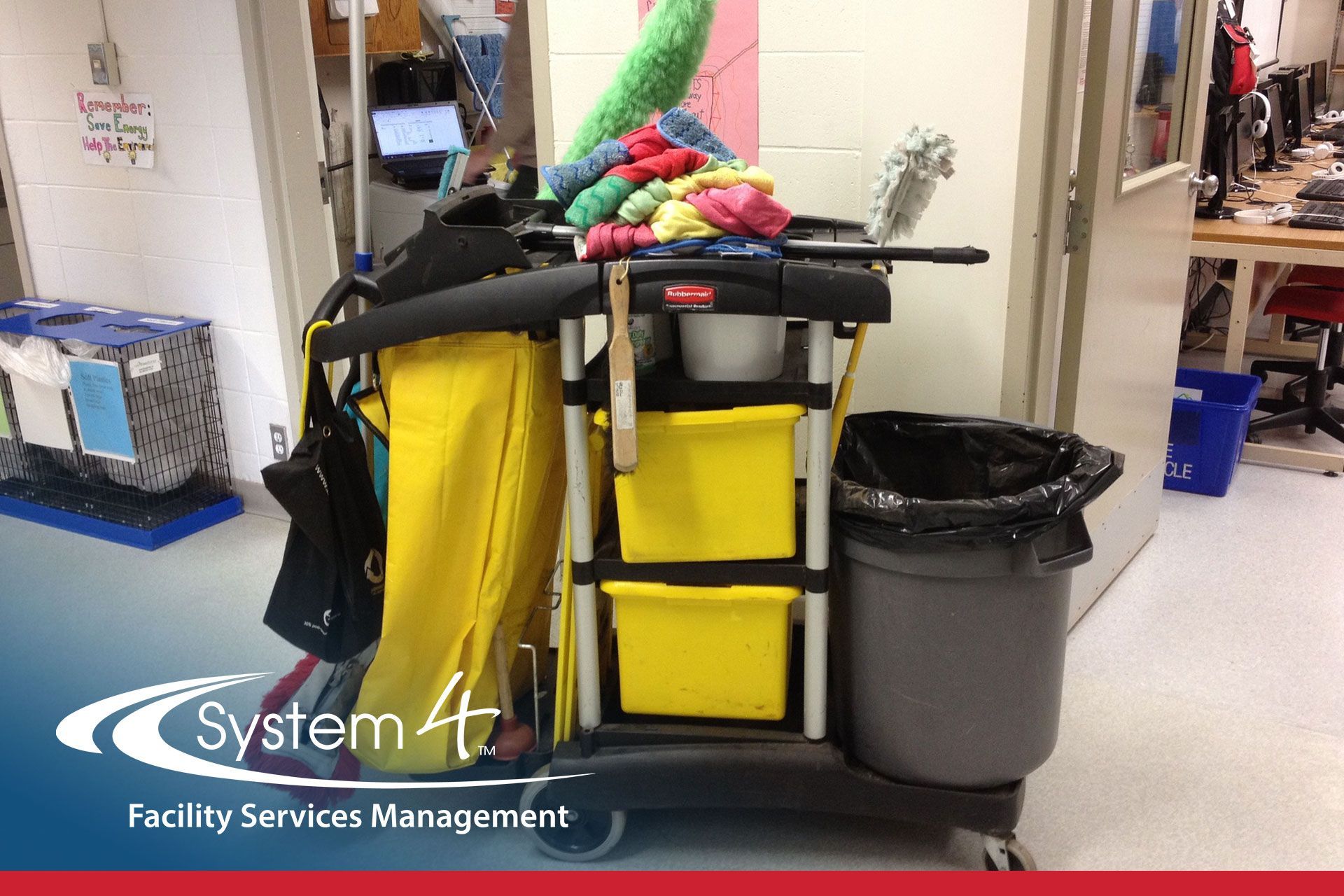
Janitorial cart with mop, cleaning supplies, yellow bags, and trash can in a hallway
September 24, 2026
Compare day porter vs night cleaning services for commercial offices. Evaluate costs, security, and facility needs. Schedule a walkthrough today.
Bright art classroom with students working at tables and colorful wall shelves of supplies
September 22, 2026
Consolidate your vendors across RI, CT, and MA. Learn how multi-location commercial cleaning management simplifies your portfolio operations. Call us today.
Hotel lobby with glass entrance doors, seating area, and “System4 Facility Services Management” sign
September 18, 2026
Determine the ideal janitorial schedule for your commercial facility by space and industry. Schedule an on-site facility walkthrough today.
Janitor vacuuming a hallway with a canister vacuum and floor attachment
September 15, 2026
Compare the total financial and operational impact of in-house vs outsourced janitorial services. Use our cost comparison worksheet to evaluate your facility.
Yellow
September 8, 2026
Stop chasing recurring janitorial issues. Identify the root causes of service failures and build a closed-loop resolution model for your property today.
Office hallway with two elevators and cleaning equipment cart beside them
September 3, 2026
Track vendor performance and eliminate cleaning defects with a janitorial quality control scorecard. Download actionable KPIs to audit your facility today.

Gloved hand wiping a metal door handle with blue cloth; text reads, “Your Facility Has Germ Hotspots. Do You Know Where?”
March 16, 2026
Discover 6 hidden germ hotspots in your facility and how often they should be cleaned to reduce absenteeism, complaints, and tenant churn.
Office split-screen: man reviewing papers beside “Commercial Cleaning Comparison” ad and a handshake with checklist.
January 5, 2026
Split-screen visual: Franchise chaos vs. System4IPS managed clarity. A single dedicated contact for New England commercial cleaning.
Snowy office lobby with glass doors, reception desks, and bright windows
December 17, 2025
Winter in New England is brutal on offices. From salt-eating floors to the flu season frenzy, her is the System4IPS guide to surviving the freeze without losing your mind.

Show More