
Holiday Shutdown Deep Cleaning for Food Plants: Making the Most of Your Year-End Downtime
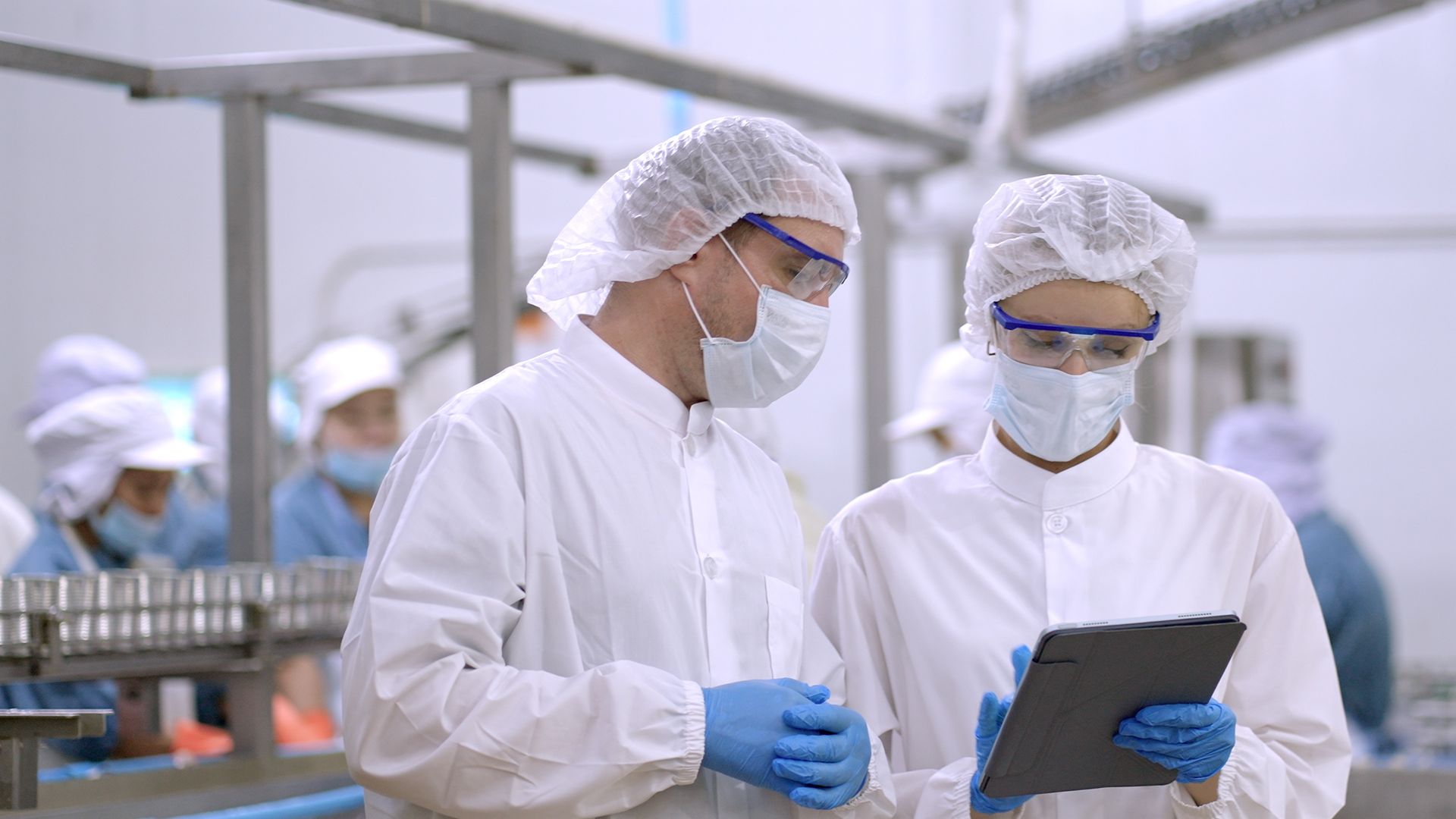
For many food plants, the stretch between Christmas and New Year's is the only time all year the lines go quiet for more than a weekend. Holiday shutdown deep cleaning uses that window for the work a nightly sanitation shift can't reach: equipment broken down past the daily level, overheads and walls brought back to bare surface, and drains opened and scrubbed. Plants that plan this work in November get a full reset. Plants that wait until the week before usually get a rushed clean and a slow restart in January.
Why is a holiday shutdown the best time for a food plant deep clean?
A holiday shutdown gives a food plant something nightly sanitation never has: several consecutive days with no production pressure. That time allows full equipment teardown, longer chemical contact on built-up soils, complete drying before restart, and access to overheads, walls, and drains that stay off-limits while product is moving.
Daily sanitation keeps a plant running. It cleans and sanitizes food-contact surfaces, clears the floor, and resets the room for the next shift, usually inside a window of four to eight hours. What it rarely gets to is the slow accumulation: grease films on frames and guards, residue packed into conveyor joints, scale on stainless panels, and soil sitting in floor drains and wall junctions.
Federal rules don't set a deep-cleaning calendar. FDA's current good manufacturing practice rule for human food, 21 CFR 117.35 (Sanitary operations), requires that plant buildings and fixtures be kept clean and sanitary, and that non-food-contact equipment surfaces be cleaned as frequently as necessary to protect against contamination. A planned year-end deep clean is one of the most practical ways to meet that standard for the areas daily sanitation can't fully cover.
What should a holiday shutdown deep cleaning plan include?
Start with a zone-by-zone scope, written down and agreed to before the last production shift ends. The table below is a working framework. Adjust it to your product, your equipment, and your own sanitation program.
| Zone | Shutdown scope | Why it waits for the shutdown |
|---|---|---|
| Processing equipment and machinery | Teardown beyond daily level, heavy degreasing of frames and guards, cleaning and sanitizing of food-contact parts | Teardown and reassembly take longer than a nightly window allows |
| Production floors and drains | Drain covers pulled, drain bodies scrubbed, floor-to-wall junctions and coved bases cleaned | Drains need time to clean, rinse, and dry without traffic |
| Walls, ceilings, and overhead structures | Wall panels washed top-down, overhead beams, pipes, and light fixtures cleaned | Overhead work above open product or running lines is a contamination risk |
| Coolers and cold storage | Racking, floors, door gaskets, and walls cleaned once product is moved or consolidated | Requires emptying or consolidating inventory |
| Docks and dry storage | Floors scrubbed, debris cleared from corners and under racking, dock plates cleaned | Shipping volume drops, so docks are accessible |
| Welfare and support areas | Locker rooms, break rooms, restrooms, and hallways deep cleaned, hard floors scrubbed or refinished | Floor refinishing needs cure time with no foot traffic |
Two rules keep the scope useful. Work top-down, so overhead soil doesn't land on floors and equipment that are already clean. And schedule anything that needs drying or cure time, such as refinished floors in welfare areas, early in the shutdown.
How far ahead should a food plant plan its year-end shutdown cleaning?
Plan holiday shutdown deep cleaning six to eight weeks ahead. That's enough time to walk the plant, write the scope, line up crews and chemicals, and coordinate with maintenance projects that compete for the same days. For a late-December window, aim to have the scope signed off by the third week of November.
- Walk the plant with production, QA, and maintenance. Note equipment with visible buildup, problem drains, and overhead areas that haven't been reached in months.
- Set the scope and sequence. Use a zone table like the one above and assign each zone to a day.
- Coordinate with maintenance. Shutdowns are also when repairs and installs happen. Clean after dusty or greasy maintenance work, never before it.
- Confirm chemicals and equipment. Match cleaners and sanitizers to the soil and surface, and confirm that sanitizers used on food-contact surfaces are approved for that use.
- Confirm safety procedures. Review lockout/tagout procedures and hazard communication for every crew member who will work on equipment.
- Schedule the restart inspection. Put the pre-operational inspection on the calendar before the first day of cleaning.
If your plant uses an outside sanitation provider, the walkthrough is where scope gets defined. System4 starts food production sanitation work with an on-site facility walkthrough to identify high-risk zones and then builds an itemized plan covering methods, frequencies, and products.
Lockout/tagout during holiday shutdown cleaning
A quiet plant can feel safer than it is. Equipment that's switched off is still capable of moving, and shutdown cleaning puts hands inside machinery more often than any other week of the year.
OSHA's lockout/tagout standard, 29 CFR 1910.147 (The control of hazardous energy), specifically lists cleaning of machines and equipment as servicing and maintenance when workers could be exposed to unexpected startup or release of stored energy. Anyone performing that work needs to be trained as an authorized employee under the plant's energy control program.
The practical takeaways for shutdown week:
- The plant's written energy control procedures apply to outside crews, and the plant and the vendor should review them together before work starts.
- Stored energy matters as much as power. Pneumatic lines, hydraulic systems, springs, and gravity loads on conveyors and lifts need to be released or blocked.
- Restart is a separate hazard. Confirm every lock is removed by the person who placed it and every guard is back on before equipment is energized.
A Southern New England factor: drying in a cold building
Late December in Rhode Island, Connecticut, and Western Massachusetts often means freezing nights and heat turned down in an idle plant. That combination slows drying. Wet floors, drains, and equipment that would dry overnight in a warm, running plant can stay damp for days, and condensation forms on cold surfaces when the building warms back up.
That matters because 21 CFR 117.35 requires food-contact surfaces that are wet-cleaned to be thoroughly dried, when necessary, before subsequent use, and requires surfaces used for low-moisture food to be clean, dry, and sanitary before use. Plan for it:
- Finish wet cleaning in production rooms early enough to allow two or more days of drying.
- Keep enough heat and air movement in production areas to dry surfaces and limit condensation.
- Check docks and entry points last. Salt, sand, and slush tracked in by maintenance and shipping traffic during the shutdown can undo floor work in the first hour of January.
Restarting after the shutdown
A deep clean only counts if the restart is controlled. Before the first production run, walk every cleaned zone and verify it against the scope. Look for residue in equipment joints, standing water in drains, and anything that was moved and not returned.
Meat and poultry plants under USDA inspection have a specific requirement here. Under 9 CFR Part 416 (Sanitation), those establishments must carry out their written pre-operational sanitation procedures before operations begin. FDA-regulated plants should follow their own sanitation and preventive controls programs for restart, including any environmental monitoring the program calls for.
A short restart checklist helps:
| Check | Confirmed by |
|---|---|
| All locks and tags removed, guards in place | Maintenance lead |
| Food-contact surfaces clean, sanitized, and dry | QA or sanitation supervisor |
| Drains clear and covers reinstalled | Sanitation supervisor |
| Chemicals, tools, and hoses removed from production areas | Sanitation supervisor |
| Pre-operational inspection documented | QA |
Who is responsible for what during shutdown cleaning?
When an outside provider handles holiday shutdown deep cleaning, the plant still owns its food safety program. The plant is responsible for its written sanitation procedures, its energy control program, its hazard communication program, and the final decision to restart. The vendor is responsible for performing the agreed scope, following the plant's procedures, training its own crews, and supervising and documenting the work.
Write that division into the scope document. When a vendor and plant both assume the other is checking something, it usually doesn't get checked. System4 assigns a dedicated local account manager to oversee its food production sanitation crews, which gives the plant one point of contact for scope questions and sign-offs.
Frequently Asked Questions
What is holiday shutdown deep cleaning in a food plant?
Holiday shutdown deep cleaning is a planned, plant-wide sanitation project scheduled during year-end downtime. It covers work that nightly sanitation can't complete, such as equipment teardown and heavy degreasing, overhead and wall cleaning, drain cleaning, and cold storage cleaning, followed by a documented inspection before production restarts.
The scope should be written and agreed to before the last production shift, with each zone assigned to a specific day.
How long does a food plant deep clean take during a holiday shutdown?
Most food plant deep cleans take two to five days, depending on plant size, equipment complexity, and how much buildup exists. Plan for drying time on top of cleaning time. In a cold building in late December, wet floors, drains, and equipment can take a day or more longer to dry than they would during normal operation.
Scheduling overheads and walls first, then equipment, then floors keeps crews from re-soiling finished work.
Does OSHA lockout/tagout apply to cleaning food processing equipment?
Yes. OSHA's lockout/tagout standard, 29 CFR 1910.147, lists cleaning of machines and equipment as servicing and maintenance when workers could be exposed to unexpected startup or a release of stored energy. Anyone cleaning inside equipment must follow the plant's energy control procedures and be trained as an authorized employee.
This applies to outside sanitation crews as well as plant employees.
What should be checked before restarting production after a shutdown cleaning?
Before restart, confirm all locks and tags are removed and guards are back in place, food-contact surfaces are clean, sanitized, and dry, drains are clear with covers reinstalled, and all chemicals and tools are out of production areas. Document a pre-operational inspection before the first run.
USDA-inspected meat and poultry plants must also complete their written pre-operational sanitation procedures under 9 CFR Part 416.
Should a food plant use an outside sanitation company for holiday shutdown cleaning?
An outside sanitation company makes sense when the shutdown scope is larger than the in-house sanitation team can finish in the available days, or when production staff would otherwise be pulled onto cleaning. The plant still owns its sanitation program, energy control procedures, and restart decision, so define each party's responsibilities in writing.
A walkthrough before the shutdown is the best way to confirm scope, staffing, and schedule.
Getting more from your year-end downtime
Holiday shutdown deep cleaning pays off when it's treated as a project with a scope, a sequence, and a controlled restart. Lock in the walkthrough and scope by late November, build drying time into the schedule, and make lockout/tagout review a day-one task. If you want help scoping your shutdown, the food production sanitation services page outlines what System4 covers, and the Rhode Island commercial cleaning team serves plants across the state and region. This article is general information, not legal or regulatory advice, so confirm requirements against your own written sanitation and safety programs or with a qualified compliance advisor.
If you'd like a second set of eyes on your shutdown plan, System4 schedules on-site facility walkthroughs across RI, CT, and Western and Central MA, or you can reach the team at (401) 615-7043.