

Warehouse & Distribution Center Cleaning: Managing Dust, Debris & Shift Transitions
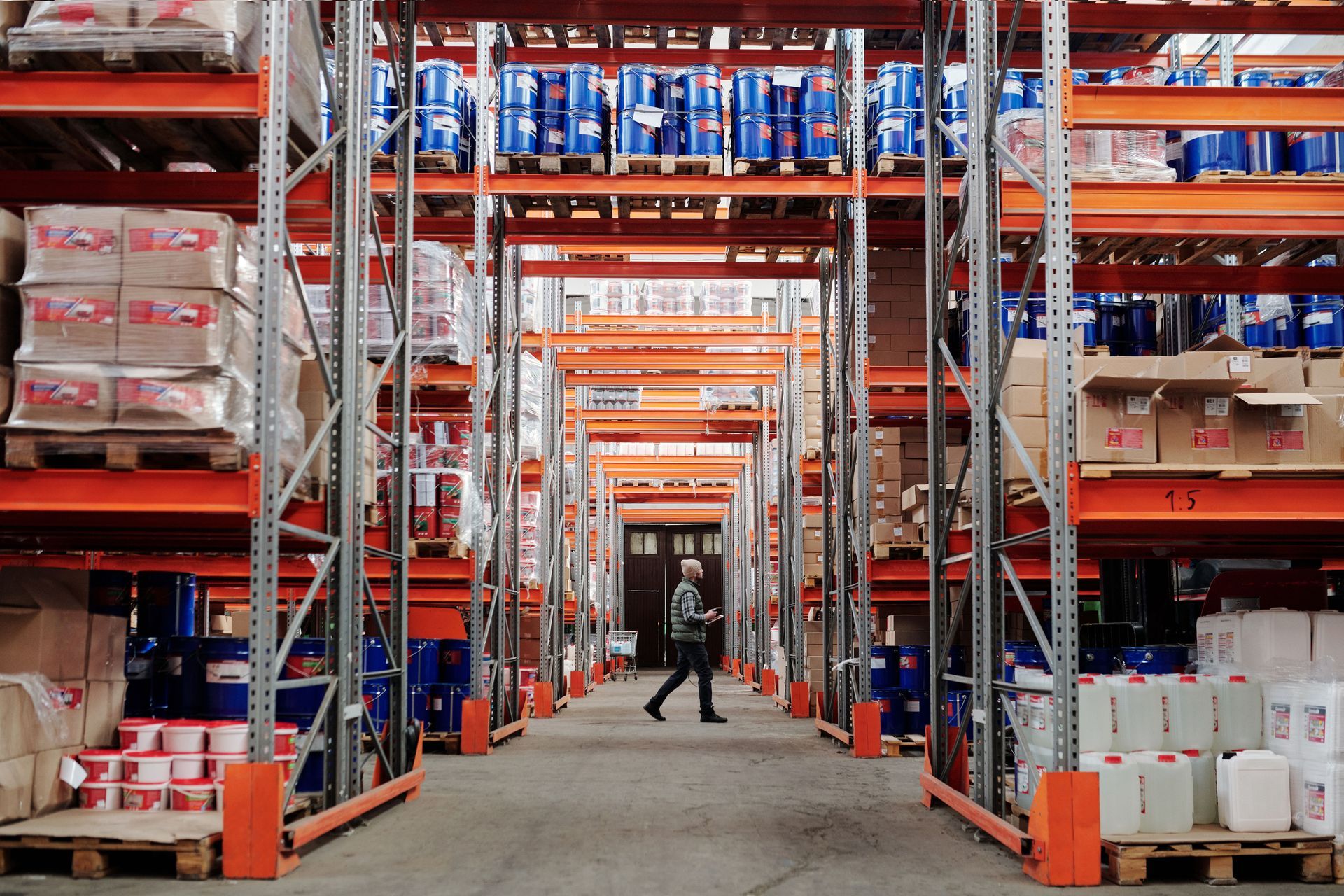
Maintaining high operational standards across high-throughput logistics facilities, fulfillment centers, and manufacturing plants requires managing airborne dust, packaging debris, and continuous floor contamination. Logistics and plant managers across Rhode Island, Connecticut, and Western Massachusetts face constant operational friction when concrete dust settles on rack inventory or when pallet debris impedes forklift travel. Implementing a structured warehouse cleaning and maintenance plan protects expensive material handling equipment, supports occupational safety compliance, and maintains productivity across multi-shift operations.
What Is a Warehouse Cleaning and Maintenance Plan?
A warehouse cleaning and maintenance plan is an operational schedule that coordinates floor care, dust suppression, waste removal, and sanitation across active logistics zones. Unlike standard office cleaning routines, industrial warehouse floor care addresses high-traffic concrete slabs, high-bay structural steel, racking systems, loading dock bays, and breakroom areas. Establishing a documented cleaning program ensures material handling equipment operates smoothly, prevents inventory contamination, and reduces slip, trip, and fall hazards.
Industrial logistics environments generate distinct soil loads that compound rapidly if left unmanaged. Forklift tire wear deposits fine rubber dust across main drive aisles, while wooden pallet movement generates wood chips and splinters. Meanwhile, airborne concrete dust from unsealed slabs settles onto elevated racking and packaged goods.
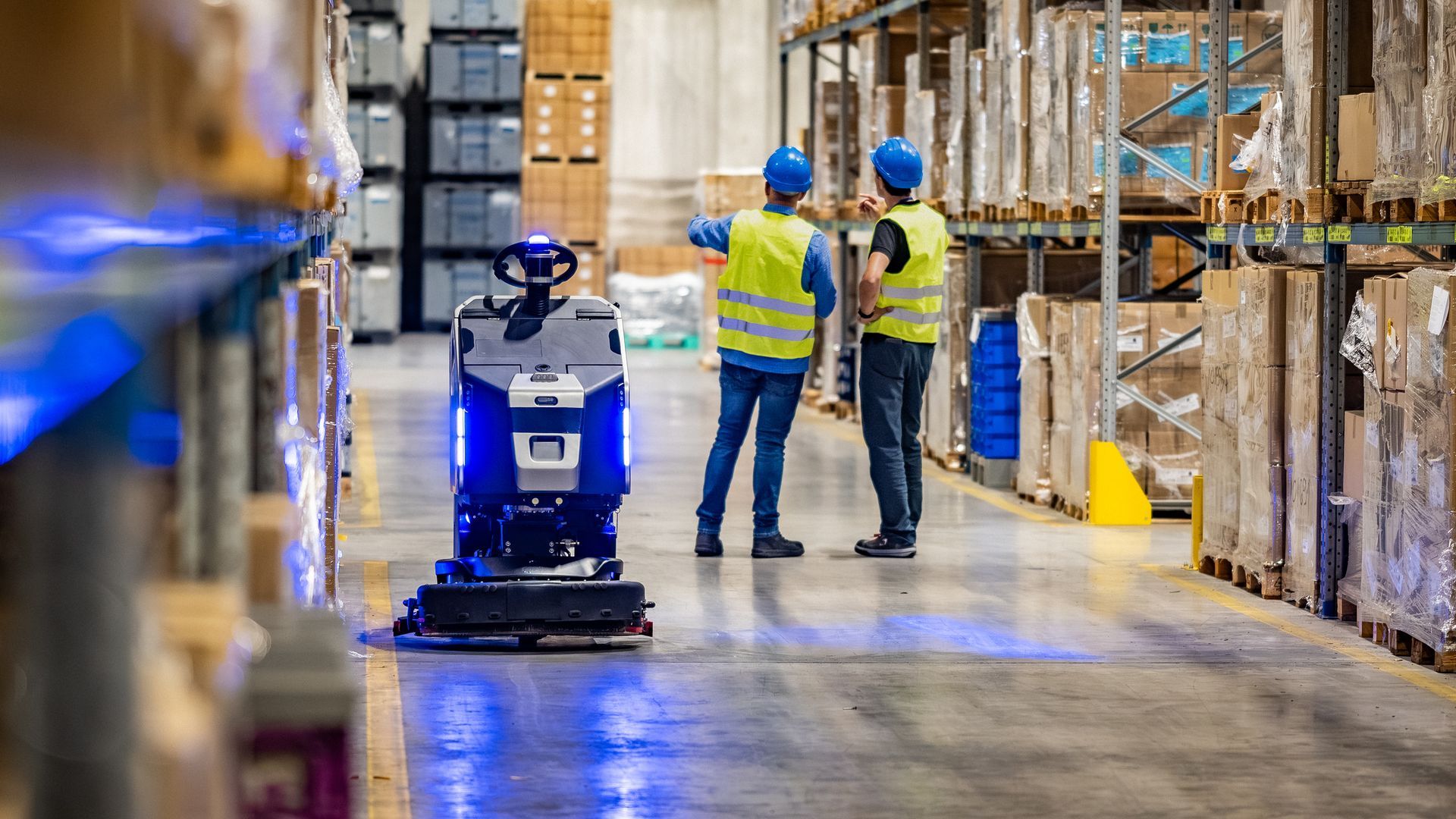
A proactive maintenance plan divides facility square footage into functional zones and aligns specialized cleaning tasks with shift changes. Clearing debris during shift transitions prevents operational bottlenecks, keeps aisleways clear for autonomous mobile robots (AMRs), and maintains safe working conditions for facility personnel.
Warehouse Cleaning Matrix: Zone Tasks and Shift Transition Frequency
Logistics facilities feature distinct zones with varying operational demands, soil accumulation rates, and safety risks. High-traffic shipping docks and main forklift aisles require continuous floor sweeping and auto-scrubbing, whereas administrative offices and employee breakrooms require standard hygienic janitorial care. Matching cleaning tasks and frequencies to specific facility zones prevents dust accumulation while keeping operating costs predictable.
To maintain order and safety across active industrial centers, plant managers implement zone-specific cleaning cadences:
| Facility Zone | Primary Soil / Hazard | Shift Transition Tasks | Daily Maintenance | Periodic / Deep Care |
|---|---|---|---|---|
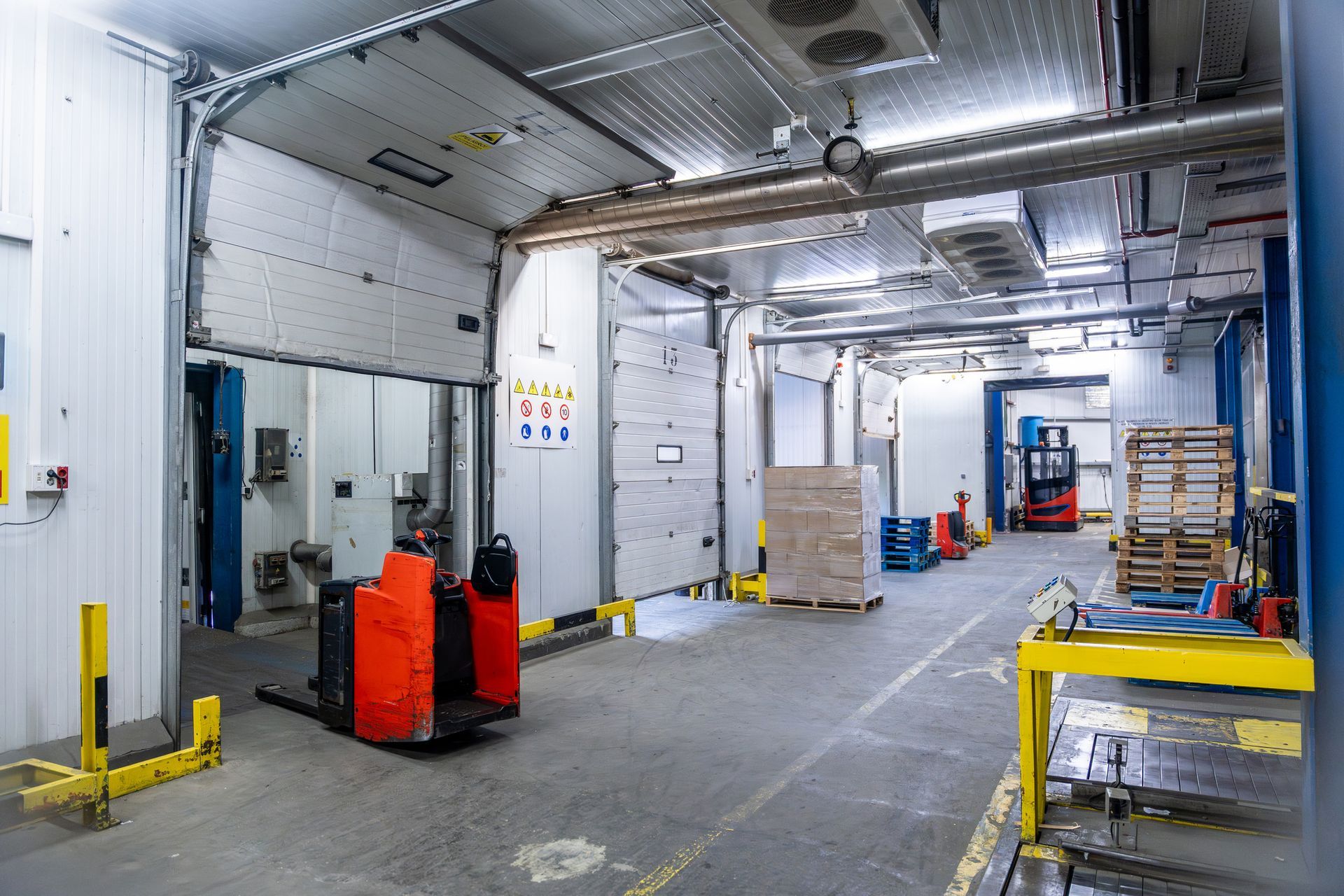
| Shipping & Receiving Docks | Wood splinters, shrink wrap, outdoor dirt | Sweep dock plates, clear debris, empty trash bins | Auto-scrub dock staging areas, wipe dock seals | Power-wash exterior apron, clear scuppers |
| Main Forklift Aisles | Rubber tire dust, concrete powder, pallet chips | Clear loose debris, spot-sweep high-traffic lanes | Heavy-duty ride-on scrubber washing | Joint filler repair, concrete sealer polishing |
| High-Bay Racking Systems | Elevated dust accumulation, cardboard lint | Clear fallen packaging, report damaged pallets | Wipe lower beam levels, clear floor rack corners | High-dusting overhead steel, pipes, and beams |
| Battery Charging & Maintenance | Acid residue, grease, industrial soil | Wipe counter surfaces, clear spill kits | Sweep and neutralize floor acid residue | Deep floor degreasing, drain flushing |
| Breakrooms & Restrooms | Food waste, high-touch germs, trash accumulation | Empty central trash bins, wipe counters and tables | Disinfect restroom fixtures, mop floors | Tile and grout machine scrubbing |
Core Cleaning Cadences by Industrial Zone
- Shipping and Receiving Dock Bays: Sweep dock staging floors at every shift change. Pallet wood splinters, plastic banding, and loose shrink wrap wrap around forklift wheels if not removed promptly.
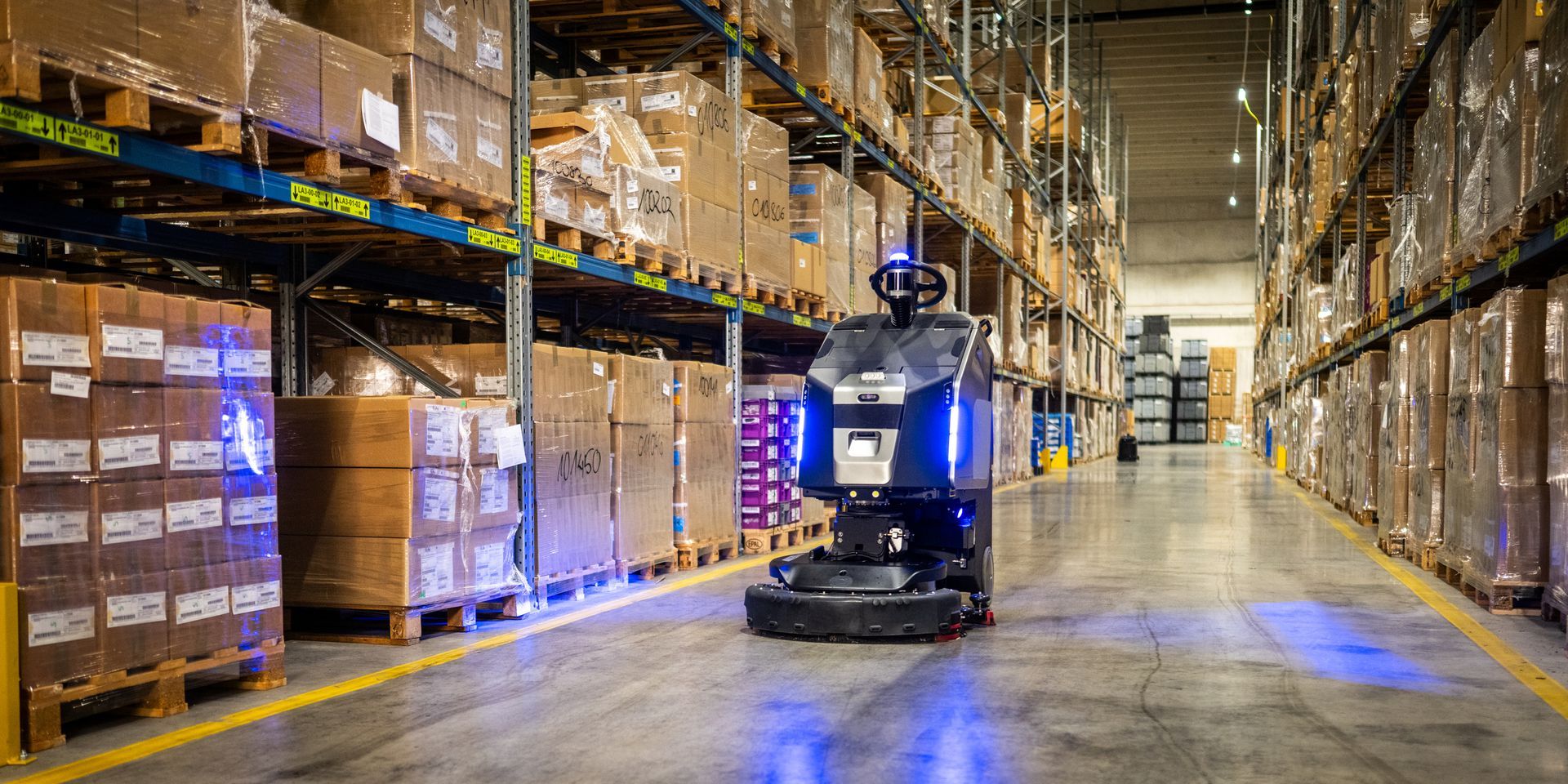
- Main Travel Aisles and Storage Bays: Operate heavy-duty sweeper-scrubbers across primary travel lanes daily. Removing fine grit prevents concrete slab abrasion under heavy wheel loads.
- High-Bay Racking and Structural Steel: High-dust elevated structural beams, sprinkler lines, and racking beams quarterly using industrial HEPA vacuums and lift equipment.
- Employee Breakrooms and Restrooms: Sanitize shared tables, microwaves, touchpoints, and restrooms twice daily during multi-shift operations to support workforce health.
Managing large-scale industrial facilities requires specialized equipment and trained personnel. Partnering with professional warehouse and manufacturing cleaning services ensures industrial floors and high-bay structures remain clean without disrupting shipping schedules.
Essential Components of a Distribution Center Cleaning Program
A successful logistics cleaning program integrates physical sweeping, mechanical scrubbing, high-bay dust control, and structured shift-change cleanup routines. Combining these four operational elements creates a clean, compliant facility.
1. Mechanical Sweeping and Auto-Scrubbing Protocols
Concrete floors in high-throughput facilities degrade rapidly under heavy forklift traffic if dry grit is allowed to accumulate. Industrial sweeper-scrubbers deploy cylindrical brushes to loosen heavy soil, followed by squeegees and vacuum recovery to leave floors dry and slip-free.
- Cylindrical Brush Selection: Deploy heavy-duty polypropylene or grit brushes to scrub oil, grease, and embedded tire marks from raw or sealed concrete.
- Neutral pH Degreasers: Deploy specialized industrial cleaning solutions that break down petroleum grease and tire marks without damaging concrete floor sealers.
- Squeegee and Vacuum Maintenance: Inspect scrubber squeegee blades daily to prevent water streaks that create slipping hazards for pedestrians.
2. High-Bay Dust Mitigation and Overhead Cleaning
Airborne dust generated by concrete floor wear and cardboard handling rises toward ceiling trusses, lighting fixtures, and HVAC ductwork. Accumulated overhead dust presents indoor air quality risks and potential combustible dust hazards.
Performing scheduled high-dusting using HEPA-filtered vacuum attachments removes dust from elevated pipes, cable trays, and structural steel before it falls onto open inventory below.
3. Shift Transition Cleaning Routines
The transition period between shifts represents the most effective window for facility cleanup. Allocating fifteen to thirty minutes between operational shifts allows cleaning personnel to sweep drive aisles, clear trash containers, and sanitize shared equipment handles.
Organized plant managers combine internal shift cleanup with evening janitorial services to ensure administrative areas, restrooms, and main walkways receive deep sanitation.
4. Waste, Pallet, and Recyclable Management
Fulfillment centers process tons of corrugated cardboard, stretch film, and wood pallets daily. Establishing central recycling staging zones and staging trash compactors prevents packaging waste from overflowing into primary picking aisles.
Regional Operational Factors: Managing New England Logistics Facilities
Logistics facilities operating across Providence, Hartford, Worcester, and Springfield encounter specific seasonal challenges that affect floor maintenance and building environment controls. Heavy winter snow, road salt tracking, and summer humidity alter cleaning requirements throughout the year.
Regional operational factors impacting New England warehouses include:
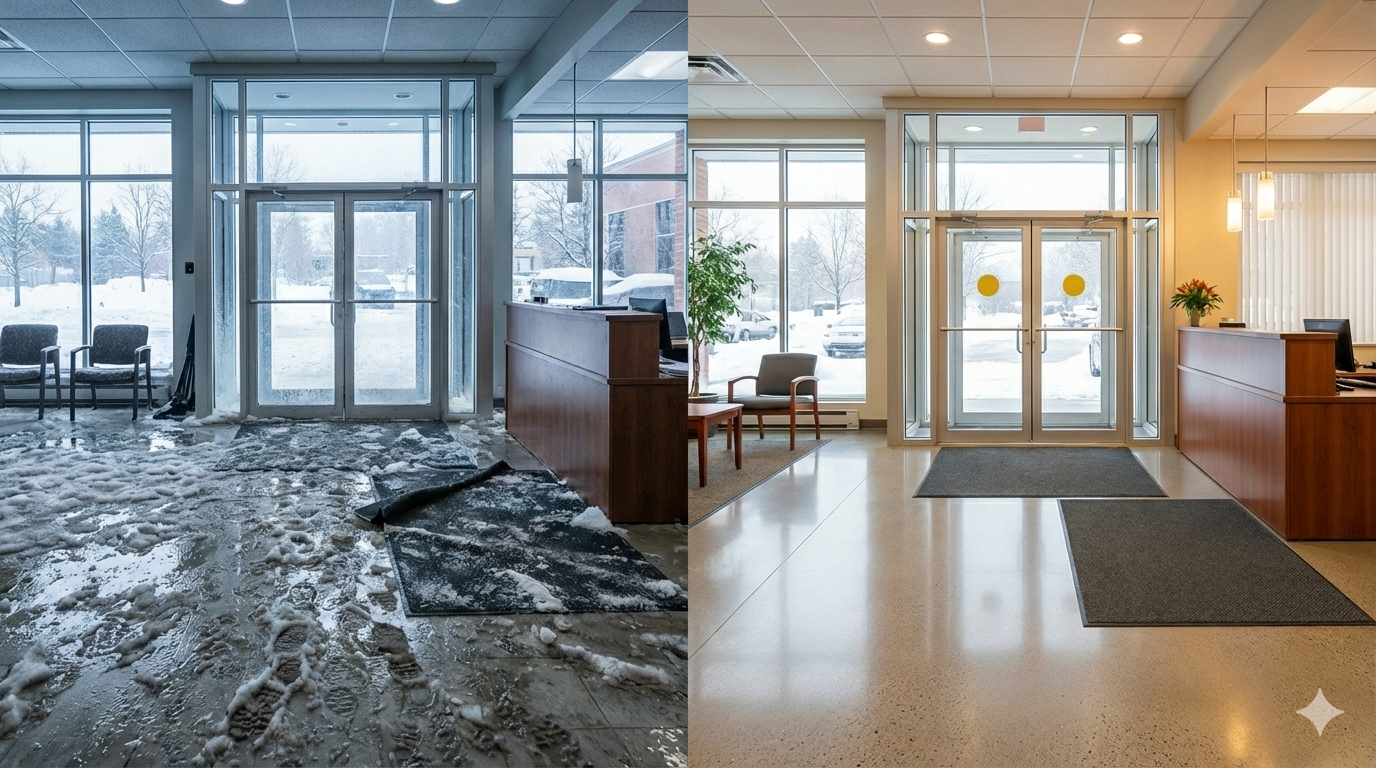
- Winter Salt and Mud Tracking at Loading Docks: Delivery trucks and yard tractors track snow, slush, and road salt directly into loading dock bays. Applying floor neutralizers during daily auto-scrubbing prevents salt from pitting concrete surfaces.
- Humidity and Concrete Sweating Syndrome: During humid summer months in coastal Rhode Island and Connecticut, cold concrete slabs experience condensation, known as concrete sweating syndrome. Operating floor scrubbers with aggressive vacuum drying prevents slick moisture accumulation.
- Historic Mill Conversions and Multi-Level Storage: Industrial hubs across Western Massachusetts often convert multi-story industrial properties. Managing dust along timber joists and historic brick walls requires specialized vacuuming tools.
Logistics managers operating in Massachusetts often partner with a local Massachusetts commercial cleaning company to adapt cleaning schedules around regional weather shifts and peak holiday shipping volumes.
How Do You Audit Your Warehouse Cleaning Program for Failure?
Plant and logistics managers identify an underperforming warehouse cleaning plan through visible physical signs, safety audit logs, and equipment maintenance reports. Identifying these indicators early allows facility leaders to adjust cleaning scopes before safety incidents occur.
- Black Tire Rubber Accumulation in Main Aisles: Heavy black tire marks that resist standard sweeping indicate that floor scrubbing frequency is too low or degreaser concentrations are incorrect.
- Dust Layering on Elevated Pallet Racking: A visible layer of fine grey dust on top-tier pallet racking beams indicates that overhead high-dusting is overdue.
- Debris Wrap on Forklift Axles: Frequent forklift maintenance calls for entangled shrink wrap and wood splinters indicate poor shift transition sweeping at loading dock doors.
- Restroom and Breakroom Sanitation Complaints: Rising employee complaints regarding dirty breakrooms during night shifts indicate inadequate janitorial coverage between shift changes.
Frequently Asked Questions
How often should concrete warehouse floors be machine-scrubbed?
High-traffic warehouse aisles and loading dock staging areas should be machine-scrubbed daily or at least three times weekly using an industrial ride-on sweeper-scrubber. Secondary storage aisles with lower foot traffic can be scrubbed on a weekly schedule.
Daily floor scrubbing removes abrasive grit, tire rubber, and oil spills before contaminants penetrate raw concrete or damage surface sealers.
What is the best method for controlling concrete dust in a distribution center?
Controlling concrete dust requires a combination of routine machine scrubbing, HEPA high-dusting, and applying a commercial concrete densifier or sealer. Raw concrete slabs continually shed fine alkaline dust under heavy vehicle traffic if unsealed.
Applying a lithium or sodium silicate densifier hardens the concrete surface, while daily damp scrubbing captures fine dust particles before they become airborne.
How do shift transitions impact warehouse cleaning schedules?
Shift transitions provide dedicated windows when main travel aisles and loading docks experience lower vehicle activity. Scheduling fifteen to thirty minutes of sweeping, trash removal, and surface wiping during shift turnovers prevents debris buildup from spilling into the next operational shift.
Clearing drive lanes during shift changes ensures incoming forklift drivers enter a safe, unobstructed work environment.
Why is high-dusting important in manufacturing and fulfillment centers?
High-dusting removes accumulated fine dust, lint, and cobwebs from overhead structural steel, lighting fixtures, sprinkler pipes, and HVAC ductwork. Allowing overhead dust to accumulate creates indoor air quality issues, reduces lighting efficiency, and presents potential fire or contamination hazards if dust falls onto inventory.
Performing high-dusting semi-annually or quarterly with HEPA-filtered vacuums maintains clean overhead infrastructure.
How do loading dock seal leaks affect warehouse cleanliness in winter?
Torn or unsealed loading dock door seals allow cold air, rain, snow, and road salt spray to enter dock staging areas. Moisture combining with cardboard dust creates slick, muddy slurry on concrete floors, increasing slip hazards for warehouse workers.
Replacing damaged dock seals and deploying daily floor neutralizer scrubbing prevents winter moisture from damaging interior concrete floor finishes.
Conclusion
Establishing a structured warehouse cleaning and maintenance plan protects physical infrastructure, extends material handling equipment lifespan, and maintains employee safety across active logistics environments. Logistics and plant managers who combine daily mechanical floor scrubbing, high-bay dust mitigation, and disciplined shift transition cleaning routines maintain efficient, audit-ready facilities year-round.
For a custom assessment of your industrial facility's cleaning scope and shift transition schedule, System4 IPS schedules on-site facility walkthroughs across RI, CT, and Western MA, or you can call our team directly at (401) 615-7043.